California Oil Pipeline Reopens After Trump Order, Sparks Lawsuit
A controversial California oil pipeline has resumed operations following a Trump administration order, despite strong opposition from state officials. The restart, which could supply 50,000 barrels of oil daily, has triggered a legal battle as California challenges federal authority. The pipeline's future now rests with a federal judge.

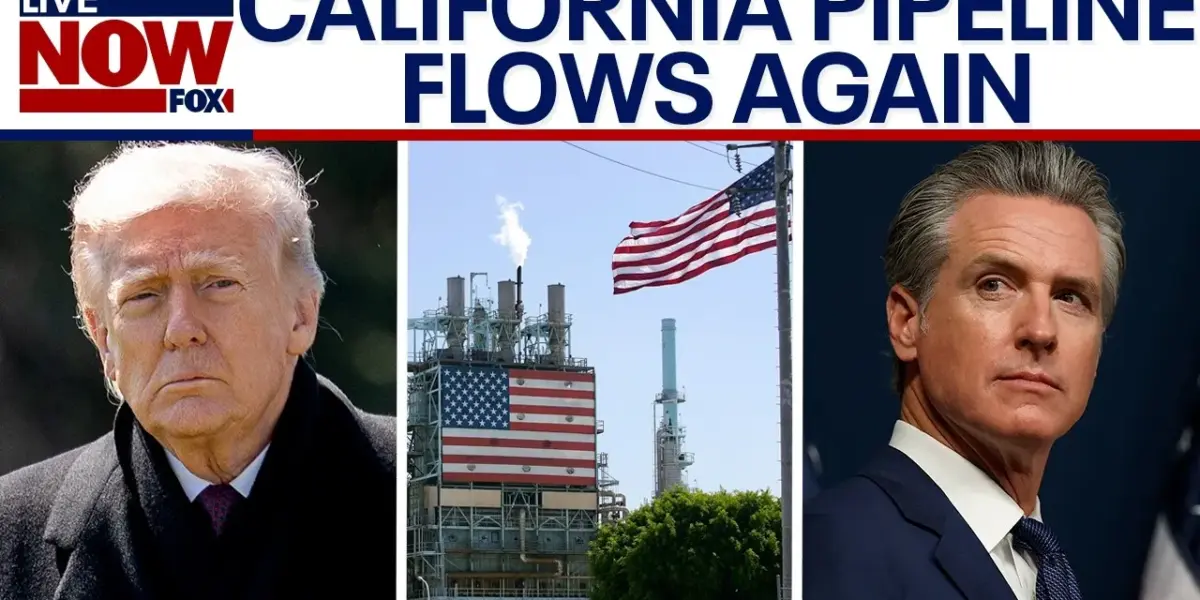
California Oil Pipeline Flows Again After Trump Order; Legal Battle Ensues
Oil has begun flowing through a controversial California pipeline for the first time in over a decade. This restart follows a directive from the Trump administration, but state officials are strongly opposing the move and have launched legal action. The pipeline, part of a system developed by Exxon in the 1980s, can transport 50,000 barrels of oil daily, enough to fuel hundreds of thousands of vehicles.
Decades of Controversy and a Costly Spill
The pipeline in question is located in federal waters off the coast of Santa Barbara. The oil platforms themselves were built in the 1980s. However, production halted in 2015 following a significant oil spill. That spill led state officials to shut down the sole pipeline responsible for bringing the oil ashore. California has not permitted the construction of new oil wells since 1969 and banned offshore drilling.
Presidential Authority Versus State Opposition
On a recent Friday, President Trump used his executive authority to override state objections and order the pipeline’s reopening. The administration argued that reopening the pipeline would help keep California’s refineries operational. It could also reduce the state’s dependence on foreign oil, which is often imported from countries like Brazil, Saudi Arabia, and Iraq. This move is seen as a way to support domestic energy production.
Governor Newsom Vows to Fight Reopening
Despite the potential benefits for refineries and energy independence, California Governor Gavin Newsom strongly opposes the pipeline’s restart. He called the Trump administration’s order a “political stunt.” Governor Newsom stated that California would not allow the move to endanger its communities and environment. Some Hollywood celebrities also joined a rally against the project, dismissing claims by the pipeline’s new owner that it is safe.
“Lies up the kazoo in order to justify drilling for oil at a time when we shouldn’t be doing that,” one opponent stated during a rally.
Arguments Over Pipeline Safety and Capacity
The owner of the pipeline countered these safety concerns. They highlighted the pipe’s one-inch thick steel walls, comparing it to the Trans-Alaska pipeline’s wall thickness. They asserted that the pipe is “tremendously strong” and in “great shape.” The owner confirmed that oil is already flowing at the 50,000 barrels per day rate.
Legal Challenge and Federal Authority
California plans to challenge the president’s decision in court. The state intends to argue that the pipeline partially encroaches on state land, giving California jurisdiction over the matter. The Trump administration used the Defense Production Act to justify reopening the pipeline, citing its importance for refineries that supply oil to numerous military bases in California, Arizona, and Nevada. A federal judge will likely make the final decision on whether the oil flow can continue.
Impact on Gas Prices and Energy Supply
The debate also touches on the potential impact on gas prices. While increased supply could theoretically lower prices, Governor Newsom’s administration argues that global oil prices will dictate pump costs. However, the current situation highlights California’s dwindling refining capacity, with the state having gone from 42 refineries to just seven. Many are struggling to stay open due to insufficient oil supply. The reopening of this pipeline aims to provide a more stable oil source for these remaining refineries.
Dependence on Foreign Oil and Future of Vehicles
California currently imports about 60% of its oil from overseas, even as it sits on domestic reserves. Governors in Arizona and Nevada are reportedly concerned about their own energy supply, which relies heavily on California’s refineries. The state, once a top oil producer, now faces political pressures driven by climate change concerns. Governor Newsom’s administration aims to ban the sale of new gas-powered vehicles by 2035. This conflict underscores the tension between current energy needs and future environmental goals.
What’s Next for the Pipeline?
The legal battle ahead will determine the future of this oil pipeline. The court’s decision will not only affect energy supply in California and neighboring states but also reflect the ongoing national debate about energy policy, environmental protection, and federal versus state authority. All eyes are on the federal judge who will soon weigh in on this critical issue.
Source: Trump order to restart CA oil pipeline sparks legal battle (YouTube)

Related Articles


DOJ Official’s Remarks Spark Outrage Over Political Allegations
A top Trump DOJ official's speech at CPAC has sparked controversy, with claims of incriminating admissions regarding fears of prosecution and alleged political motivations. The remarks have raised serious questions about impartiality within the Department of Justice.


Trump’s Iran War Plans Criticized Amid Border Funding Standoff
Lawmakers and analysts are criticizing the Trump administration's handling of the Iran conflict and its approach to border funding, arguing that a lack of clear planning and a focus on political battles are making the U.S. less safe. Concerns are particularly high regarding the FBI's priorities and the potential impact of these issues on national security.


DOJ Pays Millions to Ally: Is This Legal?
A $1.2 million payout from the DOJ to Mike Flynn, a former Trump ally, has sparked outrage and questions about legality and oversight. Critics fear a pattern of "grift and corruption," while calls for accountability echo historical precedents.