Crypto Bill Nears Passage Amid Major Acquisition
Key cryptocurrency legislation, the "Clarity Act," is nearing passage, aiming to provide regulatory certainty. Meanwhile, Mastercard is acquiring stablecoin firm BVNK for $1.8 billion, signaling a major bet on the future of digital payments.


Crypto Legislation on the Horizon, Mastercard Buys Stablecoin Firm
The cryptocurrency world is buzzing with anticipation as a major piece of legislation, potentially dubbed the “Clarity Act” or “Crypto Market Structure Bill,” edges closer to becoming law. Senator Cynthia Lumis, who leads the crypto subcommittee within the Senate Banking Committee, and Senator Tim Scott, the committee’s chairman, have both indicated significant progress. This development has injected a dose of optimism into the crypto market, with Bitcoin and other digital assets showing signs of life in expectation of regulatory clarity.
Details Emerge on Legislative Hurdles
Senator Lumis recently shared insights into the legislative process, admitting that the bill’s passage, initially hoped for by the end of last year, faced unexpected delays. The primary sticking point has been the complex issue of “yield versus rewards,” a debate that has occupied negotiators for months. This particular challenge arose from a request to reopen the “Genius Act,” aiming to clarify how certain crypto activities are classified.
Despite these setbacks, Lumis expressed confidence, stating, “We think we’ve got it.” She highlighted collaborative efforts involving the White House, with Patrick Wit playing a key role in brokering a compromise. Senators also Brooks and Tillis have been instrumental in working with the White House and banking institutions to resolve this seemingly intractable issue. Progress has also been made on addressing “money transmitter issues” and refining the classification of digital assets as either securities or commodities under “Title One” of the proposed law.
Market Reacts to Regulatory Hopes and Corporate Moves
The ongoing negotiations and positive signals from lawmakers have spurred increased activity in the crypto space. While the exact impact of the bill remains to be seen, its potential passage is viewed by many, including banks looking to offer crypto-related products, as a crucial step towards broader adoption and integration. Both major political parties appear to have an incentive to see some form of legislation passed, aiming to provide a clearer framework for the burgeoning digital asset market.
Beyond regulatory developments, the crypto industry has seen a significant corporate move: Mastercard is acquiring the stablecoin startup BVNK for $1.8 billion. This acquisition signals a strong belief in the future of stablecoins as a payment method. BVNK, founded in 2021, operates across over 130 countries and supports major blockchain networks. The deal will enable Mastercard to integrate stablecoin and tokenized deposit capabilities into its existing payment infrastructure.
Stablecoins and the Future of Payments
The acquisition by Mastercard is seen as a major endorsement of stablecoin technology. Stablecoins are digital currencies pegged to the value of a stable asset, like the U.S. dollar, aiming to reduce the volatility often associated with cryptocurrencies like Bitcoin. By acquiring BVNK, Mastercard is positioning itself to offer seamless transactions using stablecoins, potentially making them a common feature for consumers without them even realizing it.
This move by Mastercard, a traditional financial giant, into the digital asset space, particularly with stablecoins, reflects a broader trend of established payment processors seeking to adapt to new forms of financial technology. It suggests that the infrastructure for digital assets is becoming increasingly integrated with existing financial systems, paving the way for wider adoption and new use cases in global payments.
Understanding Market Sentiment
Analysts suggest that while regulatory clarity is vital for long-term growth, short-term market movements often depend on how investors react to news, both positive and negative. The Crypto Fear & Greed Index is highlighted as a key metric to watch. When positive news fails to drive prices higher, it could indicate buyer exhaustion, suggesting a potential market cooldown. Conversely, when prices rise despite negative news, it can signal the emergence of a bull market, as seen when buyers stepped in even during periods of geopolitical tension.
The ongoing developments with the Clarity Act and significant corporate actions like Mastercard’s acquisition of BVNK underscore a dynamic period for the cryptocurrency industry. As legislative frameworks evolve and traditional finance players increasingly engage with digital assets, the future of payments and digital finance continues to take shape.
Source: Crypto Holders Can’t Believe.. It’s Actually Happening (YouTube)

Related Articles


Ripple CEO Slams Biden’s Crypto ‘War,’ Sees Industry Clarity Ahead
Ripple CEO Brad Garlinghouse criticizes the Biden administration's 'war on crypto' and expresses optimism for regulatory clarity. The company has seen significant business growth through strategic acquisitions, with corporate clients increasingly adopting digital asset solutions.


SEC’s Gensler Targets Stablecoin Yields, Clarity Act Looms
SEC Chair Gary Gensler has raised concerns about stablecoin yields potentially destabilizing the banking system. Meanwhile, progress on the crypto Clarity Act shows bipartisan support, with industry players like Coinbase actively involved in discussions. The outcome could significantly impact the future of digital assets in the US.

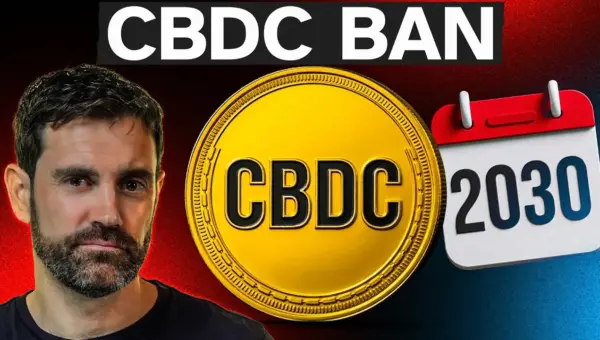
US Senate’s CBDC Ban: A 2030 Time Bomb?
The US Senate's recent vote to ban retail CBDCs appears to be a win for privacy, but a closer look reveals a sunset clause set to expire in 2030. Critics argue this temporary ban is a strategic move to allow private stablecoin infrastructure to develop, potentially paving the way for government-controlled digital dollars by the end of the decade.