Cuba’s Power Grid Collapses Amid Economic Crisis
Cuba is facing its worst power grid collapse in decades, exacerbating severe economic and social hardships. Experts state the electrical system requires an $8-10 billion overhaul, as repairs are not feasible. The crisis adds to geopolitical tensions, with potential Russian oil shipments and lingering U.S. policy questions.

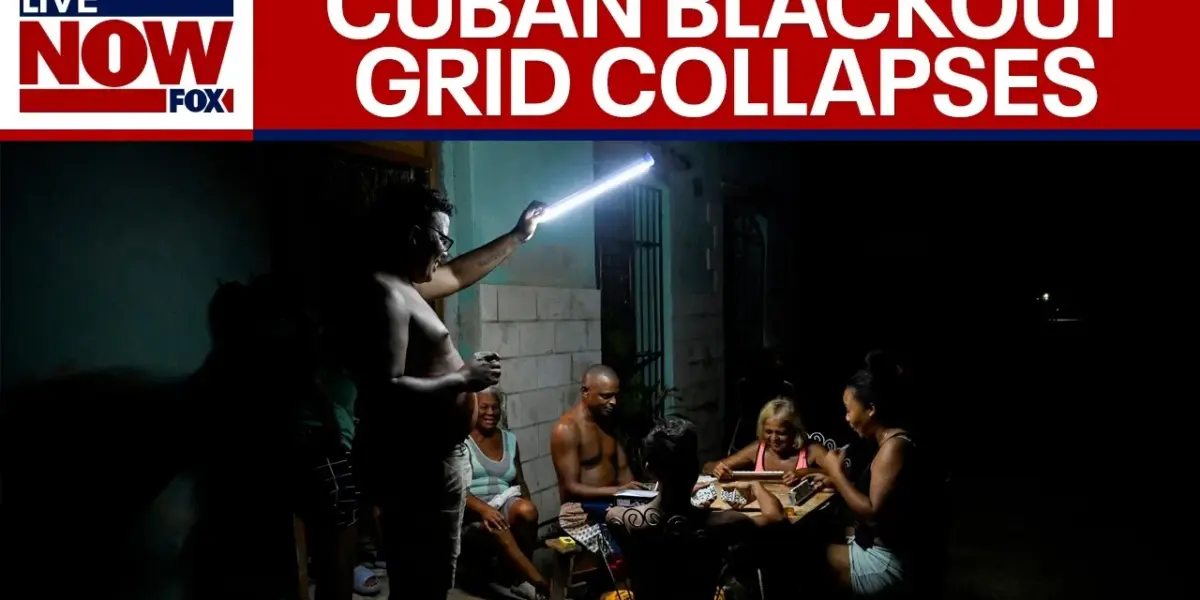
Cuba Faces Widespread Blackouts, Economic Hardship
Cuba is currently grappling with a severe electricity crisis, experiencing widespread blackouts that have plunged the island nation into darkness. This power grid collapse is the latest symptom of deep-seated economic problems that have plagued the country for years. The situation has intensified concerns about the well-being of the Cuban people, with reports of shortages in essential goods like food and medicine.
Electrical System in Disrepair, Experts Say
The current electricity issues stem from a power grid that has been in decline since the fall of the Soviet Union. Experts explain that it’s not a matter of lacking oil but rather the system itself being outdated and non-functional. According to Cuba scholars, repairing the existing electrical system is not feasible. Instead, a complete overhaul costing an estimated $8 to $10 billion is needed to establish a new national grid. Without this significant investment, the system is expected to continue failing, leading to prolonged periods without power.
“The electrical system in Cuba was left in ill repair after the Soviet Union fell apart. It’s not a problem of not having oil. It’s a problem that the system doesn’t work anymore.”
Dr. Andy Gomez, Cuba Scholar
US-Cuba Relations and ‘Friendly Takeover’ Remarks
Adding to the complex situation, U.S. President Trump recently made comments about a “friendly takeover” of Cuba. Cuba scholars, like Dr. Andy Gomez, express confusion over these remarks, pointing out the unlikelihood of such an event. Dr. Gomez notes that there is no one in Cuba prepared to hand over power to outsiders, and an invasion or attack is not seen as being in the United States’ best interest. These statements come at a time when U.S.-Cuba relations remain a sensitive topic, with ongoing discussions about potential diplomatic engagement.
Russia’s Role and Potential Intervention
The geopolitical implications of Cuba’s crisis are significant, particularly concerning Russia’s involvement. Reports suggest Russian oil tankers are en route to Cuba, raising questions about whether U.S. naval assets in the Caribbean will permit their arrival. While Russia has historically supported Cuba, its current military commitments, including the war in Ukraine, may limit its capacity to provide substantial aid. Dr. Gomez believes Russia is unlikely to intervene significantly unless Cuba faces a direct military threat from the U.S.
Leadership Transition and Future Uncertainty
Cuba’s leadership is also a focal point of discussion. With Raul Castro nearing his 95th birthday, speculation about a successor is rampant. The Cuban military holds significant power, controlling over 65% of the nation’s economy. The transition of power after Castro’s departure is a major unknown, and many believe it could exacerbate existing problems. While some within the Cuban inner circle have historically sought better relations with the U.S., the current political climate and economic desperation create an unpredictable future.
Social and Economic Strain on the Population
The economic and social fabric of Cuba is under immense strain. The country is described as being at its worst point since the 1959 revolution. Beyond electricity, shortages of food and medicine are critical issues. Archbishop of Santiago de Cuba reported receiving water only every 36 hours if lucky, highlighting the dire conditions. The centralized economy lacks the infrastructure to adapt quickly, and internal bureaucracy further complicates any attempts at improvement. This mounting pressure could lead to social unrest, a situation former leader Fidel Castro often managed by allowing emigration.
Emigration and Brain Drain Concerns
Historically, Cuba has seen waves of emigration during times of crisis, such as the Mariel boatlift. However, the rules for leaving have changed, and Cubans are now seeking opportunities worldwide, with significant populations in countries like Brazil and Uruguay. Even Australia has a small Cuban community. This trend is concerning for Cuba’s future, as young Cubans, representing the nation’s future leaders and workforce, are choosing to leave. This exodus creates a potential leadership vacuum and further depletes the country’s human capital.
Humanitarian Crisis and U.S. Embargo
The dire conditions raise questions about potential U.S. intervention on humanitarian grounds. However, the long-standing economic embargo, in place since the early 1960s, complicates any direct U.S. involvement. The embargo has been a significant factor in Cuba’s economic challenges, although the internal structure of the Cuban economy and its leadership’s decisions also play a crucial role.
Looking Ahead
The coming weeks and months will be critical for Cuba. All eyes will be on whether Russian oil tankers reach the island and how the U.S. responds. Further developments in the potential leadership transition and the ongoing efforts to address the severe economic and infrastructural failures will determine the immediate future for the Cuban people. The international community will also be watching to see if diplomatic channels can be effectively used to alleviate the crisis.
Source: Cuban blackout continues, power grid collapses (YouTube)

Related Articles

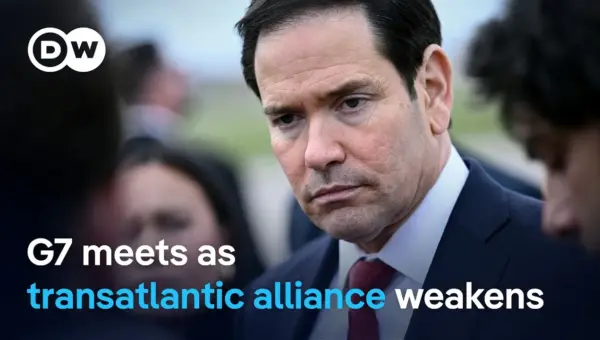
G7 Allies Clash Over Iran War Strategy, Urge Focus on Russia
G7 foreign ministers met in Paris, revealing deep divisions over the U.S. war with Iran. European allies urged the U.S. to pressure Russia, linking its actions to the conflict and fearing support for Ukraine will wane.
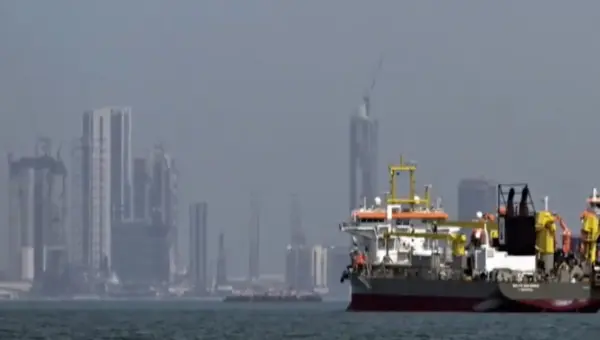
Iran Blocks China Ships, Exposing Beijing’s Weak Grip
Iran's recent decision to block Chinese ships at the Strait of Hormuz is exposing the limits of Beijing's influence in the Middle East. This action is causing delays and cancellations for Chinese manufacturers, turning a perceived geopolitical win into an economic strain.
Trump’s “Walk Away” Tactic Signals Tougher Stance on China
Retired Air Force Brigadier General David Stillwell believes President Trump's strategy of being willing to walk away from negotiations puts pressure on China. This tactic, combined with US global actions and strengthened alliances, signals a more assertive American foreign policy.