Mullin Nomination Faces Scrutiny Over Temperament, Foreign Trips
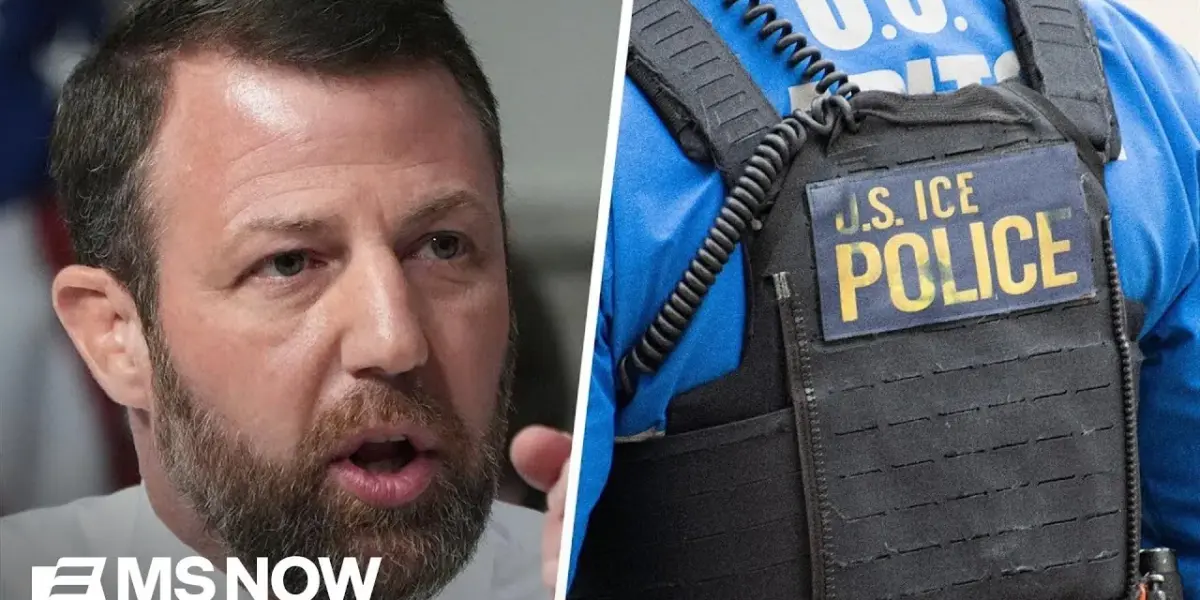
Mark Wayne Mullen's nomination for a leadership role in a key law enforcement agency is under intense scrutiny. Questions about his temperament, including past controversial remarks and a challenging exchange with Senator Rand Paul, have surfaced. Additionally, a mysterious foreign trip taken during his time in Congress, involving claims of classified information and a non-disclosure agreement, has raised further concerns and unanswered questions.

Mullin Nomination Faces Scrutiny Over Temperament, Foreign Trips
Mark Wayne Mullen’s nomination to lead a key law enforcement agency is facing tough questions regarding his temperament and past actions. During a recent Senate hearing, Senator Rand Paul challenged Mullen on past controversial statements, including comments about violence and an alleged physical altercation with a neighbor. Mullen’s responses, where he suggested he understood why the neighbor assaulted him, have raised concerns about his suitability for a leadership role in an agency dealing with complex issues of force and violence.
The hearing also highlighted Mullen’s past as a member of Congress, specifically a foreign trip where he claimed to have signed a non-disclosure agreement related to classified information. This claim has puzzled many, as lawmakers are not typically subject to such agreements during official overseas travel. The Washington Post reported on this issue, with Mullen later stating in a closed-door session that he had signed an NDA. The exact nature of this trip and Mullen’s involvement remain unclear, leaving senators with many unanswered questions.
Temperament on Display
Senator Rand Paul directly confronted Mullen about his past remarks, playing clips of exchanges that questioned Mullen’s judgment and suitability for a high-level position. Paul brought up Mullen’s past comments, including calling Paul a “snake” and suggesting he understood why his neighbor assaulted him. Paul also referenced an incident where Mullen, during a Senate hearing, suggested a confrontation with the president of the Teamsters union.
“Is that still your opinion, that political disputes can sometimes and often only be resolved by violence?” Paul asked. Mullen responded, “No, I don’t always agree with that. I don’t believe in political violence. I’ve made very clear but sometimes people do need it theoretically speaking.” Paul pressed further, calling Mullen’s statements “character assassination” and referencing Mullen’s “support for the assault.” Mullen countered that Paul was “adding a lot to it.” This exchange focused on Mullen’s temperament, with Paul arguing that such behavior is not fitting for the head of a law enforcement agency that deals with violence and the use of force.
Questions Swirl Around Foreign Trip
A significant point of contention during the hearing was Mullen’s account of a foreign trip he took while serving as a member of Congress. Mullen indicated that the trip involved classified information and that he had signed a non-disclosure agreement (NDA). This revelation surprised many, as it is highly unusual for lawmakers to be bound by NDAs during official travel, especially in situations that might involve combat or sensitive operations.
“I’ve never heard of senators or members of the House being involved with trips as lawmakers where they’re subject to non-disclosure agreements and are involved in anything resembling combat,” one reporter noted. The exact details of the trip, its purpose, and the nature of the classified information remain undisclosed. Mullen’s explanation that he was involved in “overseas travel” and spoke of “the scent of war” has led to speculation, particularly as he is not a veteran but had previously attempted to travel to Afghanistan during the Biden administration to rescue people. The lack of clarity surrounding this trip has fueled skepticism among committee members.
Potential Path to Confirmation
Despite the controversies, political analysts suggest Mullen’s nomination is likely to proceed. Jake Sherman, a political contributor, noted that while Rand Paul is expected to vote against Mullen, the support of Senator John Fetterman is crucial. Fetterman has previously stated his intention to support Mullen’s nomination. “It’s very clear to me absent some reversal that is so obscene that we can’t even imagine what it looks like that Rand Paul’s going to vote against him,” Sherman said.
Sherman added that if Paul votes against him, Fetterman’s vote becomes essential. “John Fetterman says he’s a yes. And he’ll probably get, almost certainly get cleared on the floor.” This suggests that, barring unforeseen circumstances, Mullen is on track for confirmation. However, his unconventional background and the questions raised during the hearing mark him as a somewhat unusual choice for the role.
Shifting Focus for DHS Agencies?
Looking beyond the confirmation process, analysts discussed the potential impact of Mullen’s leadership on agencies like Immigration and Customs Enforcement (ICE). Nick Miroff, a staff writer for The Atlantic, suggested that Mullen might bring a different approach to the Department of Homeland Security (DHS).
Miroff noted Mullen’s statements about wanting to avoid daily controversies and his vision for ICE. Mullen suggested a role for ICE that is more akin to a transportation agency, focusing on picking up deportable individuals from local jails that cooperate with ICE. This contrasts with the previous administration’s approach, which included setting arrest quotas and conducting widespread operations. Mullen also indicated a need to engage with local jurisdictions opposing plans for large detention facilities, signaling a potential shift towards rebuilding relationships and trust.
Rebuilding Trust at ICE
Sarah Saldaña, former Director of ICE, expressed cautious optimism about Mullen’s potential to change the agency’s image. “The ICE has never been at the top of my favorite of the country’s favorite agencies, but you never had the kind of bullying that you have seen in the last few months,” Saldaña commented.
However, Saldaña emphasized the difficulty of rebuilding trust once it has been eroded. She suggested that Mullen missed an opportunity to build confidence by not apologizing to families affected by past ICE actions. “What is so difficult about following your retraction with yes, I’m sorry for all the grief that those families have gone through?” she questioned. Saldaña also stressed the importance of funding agencies and working collaboratively, even when disagreements exist, to demonstrate a genuine commitment to addressing problems within ICE.
What’s Next?
The focus now shifts to the final confirmation vote and Mullen’s potential impact on the agencies he would oversee. Key questions remain about how he will address the controversies surrounding his nomination and whether his proposed changes for ICE will materialize. The public and lawmakers will be watching closely to see if Mullen can indeed rebuild trust and lead with a more even temperament.
Source: 'Just apologize': Ex-ICE Director reacts to Mullin retracting Alex Pretti comments (YouTube)

Related Articles
House Rejects Senate Bill, Citing Border Security Funding Gaps
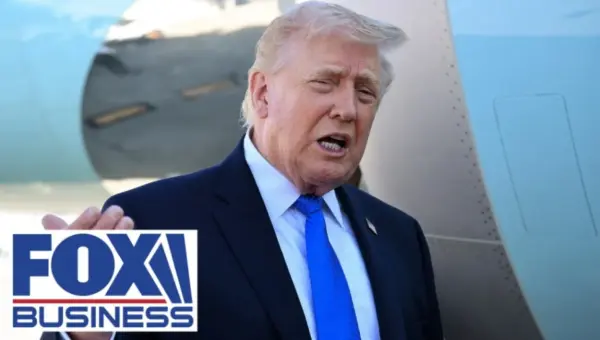
House Republicans are rejecting a Senate funding bill, arguing it lacks essential appropriations for ICE and CBP, threatening anti-trafficking efforts and border security. They plan to pass a short-term measure to force renewed negotiations.

TSA Funding Fight Sparks Airport Chaos, Worker Exodus
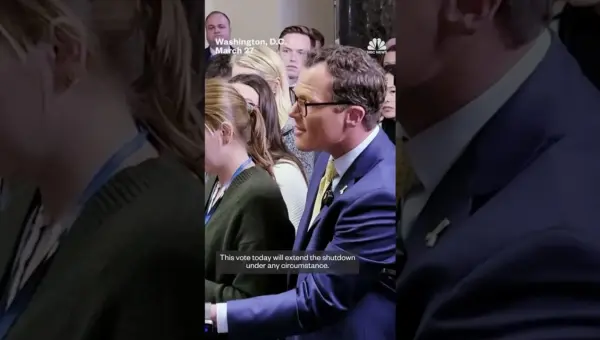
TSA officers will soon receive back pay after President Trump signed an emergency order, but the ongoing congressional funding fight continues to cause airport chaos. Long security lines and a significant number of TSA officer resignations highlight the deep divisions over border security measures, leaving travelers frustrated.
Democrat: Speaker Johnson Holds TSA Hostage for Immigration Reform
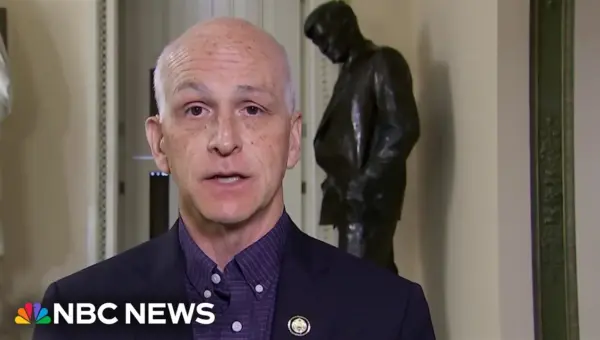
House Democrats accuse Speaker Mike Johnson of holding the TSA 'hostage' by refusing to bring a bipartisan Senate funding bill to the floor. Congressman Adam Smith argues this tactic is used to force concessions on immigration reform, putting essential services at risk. A Senate-passed bill could fund the TSA immediately, but Johnson's approach creates a legislative stalemate.