Intel Chiefs Clash With Trump’s Iran War Claims
Top intelligence chiefs testified before the Senate, revealing a significant gap between their assessments and President Trump's public statements about the conflict with Iran. Officials struggled to reconcile intelligence on Iran's nuclear program with the administration's claims of an imminent threat, highlighting the politicization of intelligence.

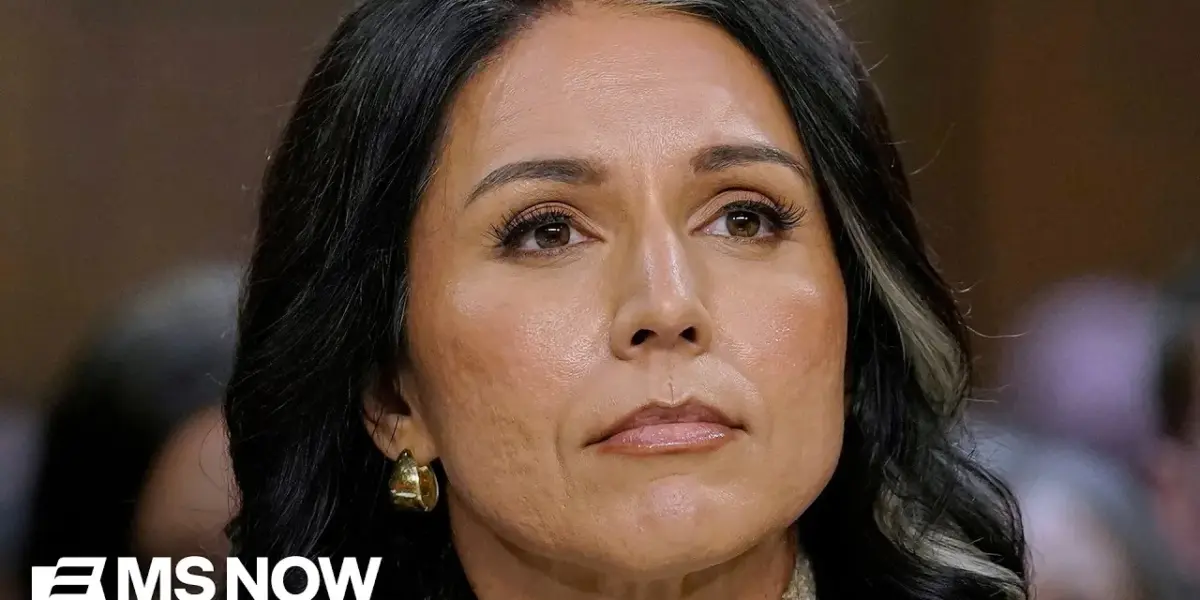
Intel Chiefs Caught Between Reality and Trump’s Narrative on Iran War
Top national security officials found themselves in a difficult position during a Senate Intelligence Committee hearing, balancing factual intelligence with President Donald Trump’s shifting explanations for the conflict with Iran. The hearing on worldwide threats revealed stark differences between the intelligence community’s assessments and the administration’s public statements regarding Iran’s nuclear capabilities and the goals of U.S. military actions.
Director of National Intelligence Deviates from Prepared Remarks
Director of National Intelligence Tulsi Gabbard, during her opening statement, strayed from her prepared remarks. While her written statement indicated that Iran’s nuclear program was “obliterated” and that there had been no effort to rebuild enrichment capabilities since 2025, her oral delivery suggested Iran was “trying to recover from the damage” to its nuclear infrastructure. This alteration led to questions about whether it was an attempt to align with the President’s narrative of an imminent threat.
When questioned by Senator Michael Bennet about the discrepancy, Gabbard attributed the omission to time constraints, stating she “skipped through some of the portions of my oral delivered remarks.” This explanation was met with skepticism, with Senator Bennet suggesting she chose to omit parts that contradicted the President’s claims.
“The yawning gap that paragraph from your oral opening. Was that because the president said there was an imminent threat two weeks?” Senator Michael Bennet questioned.
“No, sir, I recognized that the time was running long and I skipped through some of the portions of my oral delivered remarks,” Director Gabbard responded.
Conflicting Accounts on Iran’s Nuclear Status
The hearing highlighted inconsistencies regarding Iran’s proximity to nuclear weapons. While President Trump repeatedly stated Iran was weeks away from developing a nuclear weapon, intelligence assessments presented a more complex picture. Mark Mazzetti, an investigative reporter for The New York Times, noted that the rationale for the war had been inconsistent, with different officials providing varying timelines and threat assessments.
Mazzetti pointed out that in June, the President had stated Iran’s uranium enrichment capabilities were “totally and completely obliterated.” This statement directly conflicted with the idea of an imminent nuclear threat, creating a challenge for justifying the military actions. He also mentioned reports of individuals being dismissed from the Defense Intelligence Agency for not aligning with the narrative of “total obliteration.”
Intelligence Community Navigates Political Pressure
CIA Director John Ratcliffe also faced tough questions regarding the administration’s understanding of potential consequences of striking Iran. Senator Bennett questioned Ratcliffe about intelligence warnings that if Israel assassinated Iran’s Supreme Leader, the IRGC would replace him with a hard-line puppet, a characterization Ratcliffe seemed to acknowledge but sought to reframe.
Ratcliffe defended the administration’s objectives, stating, “The defined goals are very clear. Degrade and destroy the missile inventory and drone inventory, delay and degrade the military industrial base and factories that produce that, degrade and destroy the IRGC navy that could control the Strait.” However, he struggled to directly address the specific intelligence concerning leadership succession and the potential for a harder-line regime, often deflecting by distinguishing between “political rhetoric versus military and intelligence execution.”
Officials Struggle to Align Intelligence with Presidential Statements
John Brennan, former Director of the CIA, described the situation as a “sad and troubling demonstration of the politicization of the intelligence community.” He noted that intelligence professionals prepared factual assessments, but civilian leadership seemed to be trying to avoid antagonizing the White House. This led to a clear inconsistency between the intelligence provided and the public rationale given for the conflict.
Reporter John Hudson of The Washington Post revealed that Director Gabbard was reportedly uncomfortable with the hearing, partly due to her own political stance against military interventions and the recent resignation of a subordinate, Joe Kent, who openly opposed the war in Iran. Kent’s resignation letter was described as a “searing indictment of the war,” stating it was not in America’s interest and that there was no imminent threat from Iran.
Broader Implications and Future Outlook
The testimony underscored the challenges faced by intelligence officials when their assessments diverge from presidential pronouncements, particularly in matters of war and national security. The discrepancies raise questions about the transparency of intelligence and the administration’s decision-making process regarding Iran.
As tensions with Iran remain high, and domestic gas prices have seen a slight increase, the public’s understanding of the U.S. strategy and its justification continues to be shaped by these conflicting narratives. Future hearings and developments will likely focus on whether the intelligence community can maintain its independence and whether a clearer, unified rationale for U.S. policy towards Iran will emerge.
Source: ‘Caught between a rock and a hard place’: Trump’s top intel chiefs testify over threat of Iran (YouTube)

Related Articles

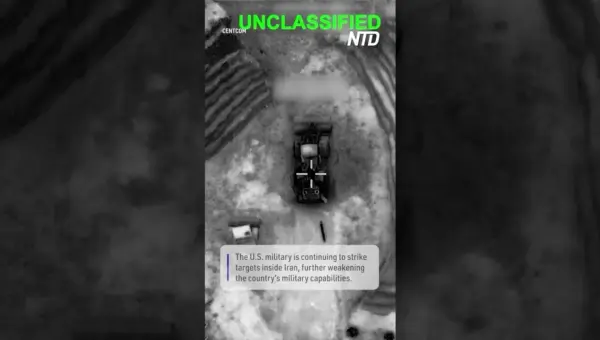
US Strikes Cripple Iran’s Military Might, CENTCOM Reports
U.S. Central Command reports ongoing strikes inside Iran are significantly weakening its military power. This direct action aims to reshape regional security dynamics, but carries risks of escalation. The long-term impact depends on Iran's response and ability to adapt.


Iran Targets US With Cyberattacks, Escalating Digital Warfare
Iran is increasingly using cyberattacks to challenge the U.S., as seen in a recent hack of the FBI director's account. Experts say this is a strategic shift due to Iran's limitations in conventional warfare. The U.S. needs to strengthen its digital defenses, focusing on encryption and cloud computing, rather than solely relying on traditional security measures.

Iran Hacks FBI Chief, Exposing U.S. Cyber Vulnerabilities
A recent hack of FBI Director Kash Patel's personal email by an Iran-linked group highlights Iran's growing cyber threat to the U.S. Experts explain how simple security oversights are exploited, emphasizing the need for basic defenses like two-factor authentication to protect against propaganda and potential infrastructure attacks.