Oil Prices Surge as Strait of Hormuz Blockade Continues
Oil prices have surged past $110 a barrel as the critical Strait of Hormuz remains largely closed following recent airstrikes. Experts warn this predictable crisis, driven by Iran's strategic use of its control over the waterway, threatens global energy supplies. While some nations are finding workarounds and a few ships are attempting passage, the long-term implications for the world economy are significant.

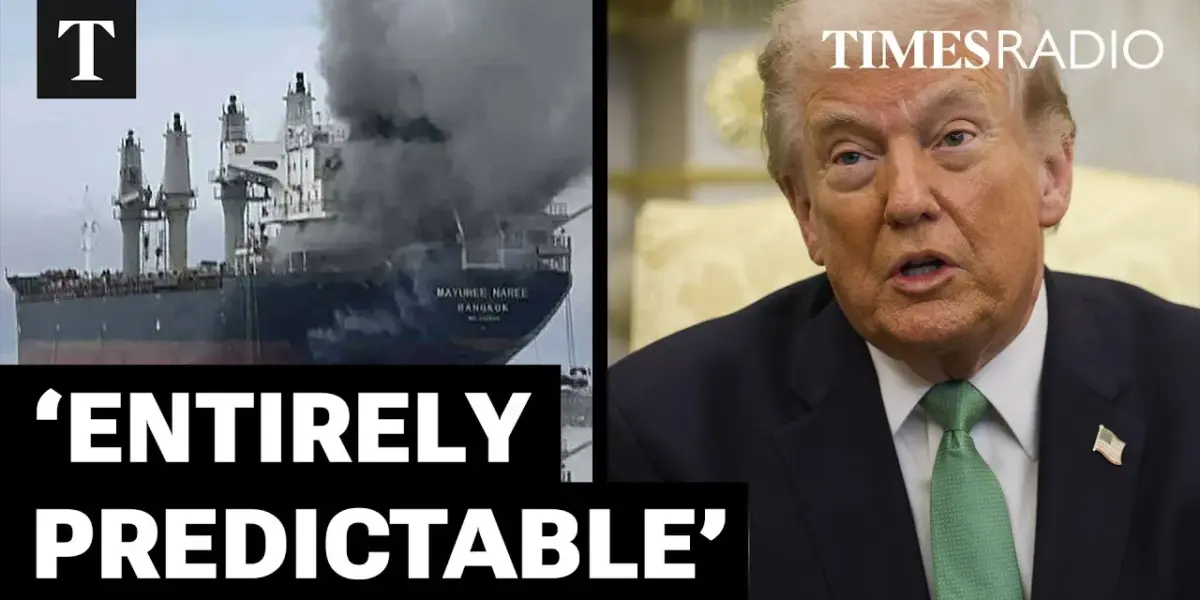
Global Oil Market Faces Crisis as Hormuz Strait Remains Closed
Oil prices have surged past $110 a barrel following Israeli airstrikes on Iran’s South Pars natural gas field, the world’s largest of its kind. The ongoing closure of the Strait of Hormuz, a critical global oil shipping route, continues to restrict exports, leaving the international market grappling with a crisis that experts say has been theorized for decades.
A Predicted, Yet Unmanaged, Crisis
Matt Wright, lead freight analyst at Kepler, explained that the current situation in the Strait of Hormuz was a predictable outcome. “This has been something that the oil market has theorized about for decades and decades, and it is now that the oil market is living that reality,” Wright stated. He emphasized that the crisis has not been managed effectively from the U.S. perspective, particularly concerning the timing of airstrikes.
Limited Passage Through Hormuz
While one Pakistani-flagged cargo ship, the Karach, recently passed through the Strait of Hormuz with its tracking system, AIS, turned on, it represents a small exception. Wright noted that other vessels have made similar attempts by disabling their trackers, a practice known as going “dark.” However, the volume of non-Iranian crude oil transiting the strait remains extremely low. Iran has effectively halted shipments associated with allies of Israel and the United States, using its control over oil markets as a strategic tool.
Diplomatic Channels and ‘Going Dark’
In the weeks since the crisis began, diplomatic efforts have started to yield some results. Countries like Pakistan, India, and Turkey have had vessels exit the strait. Wright explained the practice of “going dark,” where ships turn off their trackers to pass through unnoticed, only to reactivate them afterward. However, Iran’s willingness to allow larger volumes of passage is limited, as it would drive down crude prices. “It is very much a tool that they’re playing to keep just to sort of maintain relationships with friendly neighbors,” Wright said.
Risk Tolerance and High-Risk Shipping
Among the vessels defying the blockade are tankers owned by Greek companies, such as Dinocom. Greece, with its significant maritime history and a large number of tanker owners, has companies with a history of operating in high-risk zones. Wright clarified that this isn’t solely about alignment with the U.S. or NATO, but rather about a willingness to accept higher risks for potentially higher rewards. “If you have that risk tolerance, you will be paid accordingly,” he noted, referring to the exceptionally high shipping rates currently available.
Naval Escorts and Alternative Routes
The idea of international naval escorts to ensure safe passage through the Strait of Hormuz has been discussed, but challenges remain. Wright suggested that while naval escorts might be a future solution, they would likely occur as a conflict draws to a close and would require significant air cover. He drew parallels to the international coalition that provided escorts in the Red Sea. Meanwhile, alternative routes are being utilized to mitigate the impact. The East-West pipeline across Saudi Arabia, with a capacity of around 5 million barrels per day, is currently operating at about half that but is increasing. Iraq’s pipeline to Turkey, though currently impacted, is another key route. The UAE also has a pipeline to Fujairah.
Energy Infrastructure as a Key Weapon
Iran has strategically targeted energy infrastructure as one of its most potent weapons, given its limitations in conventional military might. Wright highlighted that refineries across the region, including those in Bahrain, Qatar, the UAE, and Saudi Arabia, have been targeted. “Energy infrastructure really is one of their most powerful tools to go after,” he stated.
Global Ramifications and Future Outlook
The current oil price of $110 a barrel may even underprice the existing risk, according to Wright. He warned that the world cannot function without the Strait of Hormuz remaining open, as there is insufficient crude and refined products like diesel and jet fuel to meet global demand. The longer the disruption continues, the greater the impact will be, potentially leading to demand destruction or increased production elsewhere, such as U.S. shale. Southeast Asia is already feeling the immediate effects, but the crisis is poised to become a global issue, affecting Europe as well. The market’s uncertainty about the duration and wider impact of the conflict adds to the volatility.
Source: How The Strait Of Hormuz Crisis Was Foreseen | Freight Analyst Explains The Oil Crisis (YouTube)

Related Articles

US Strikes Cripple Iran’s Military Might, CENTCOM Reports
U.S. Central Command reports ongoing strikes inside Iran are significantly weakening its military power. This direct action aims to reshape regional security dynamics, but carries risks of escalation. The long-term impact depends on Iran's response and ability to adapt.


U.S. Iran Tensions Rise Amid Shifting Alliances
Rising tensions between the U.S. and Iran are creating a volatile geopolitical situation. With conflicting signals on de-escalation and potential shifts in alliances like NATO and U.S.-Israel relations, the path forward remains uncertain. The global economy and regional stability hang in the balance.


Iran Targets US With Cyberattacks, Escalating Digital Warfare
Iran is increasingly using cyberattacks to challenge the U.S., as seen in a recent hack of the FBI director's account. Experts say this is a strategic shift due to Iran's limitations in conventional warfare. The U.S. needs to strengthen its digital defenses, focusing on encryption and cloud computing, rather than solely relying on traditional security measures.