Iran’s Oil Attacks Ignite Middle East Firestorm
Iran has launched its most severe attacks yet, targeting critical oil infrastructure in Saudi Arabia and Qatar. This escalation, in response to earlier strikes on its own facilities, threatens global oil prices and regional stability. Retaliatory actions from the US and Israel are already underway, signaling a dangerous cycle of conflict.


Iran’s Oil Attacks Ignite Middle East Firestorm
In a dramatic escalation of regional tensions, Iran has launched what appears to be its most severe attacks to date. These strikes targeted critical oil infrastructure across the Middle East, raising fears of soaring global oil prices and a wider conflict. The attacks, occurring on March 18th, hit key locations in Saudi Arabia and Qatar, sending shockwaves through international markets and geopolitical circles.
Retaliation Sparks Widespread Damage
Footage emerged showing massive explosions and fires engulfing parts of the Saudi capital, Riyadh. These strikes are believed to be Iran’s response to earlier attacks on its own gas infrastructure, reportedly carried out by Israel. The intensity of the attacks on Saudi Arabia, a crucial ally for the United States and a major player in global oil supply, has been described as devastating. Images captured the sheer force of ballistic missile impacts, with black smoke billowing from what appeared to be burning oil facilities.
The situation was equally dire in Qatar, where oil production facilities also came under attack. Ballistic missiles struck these sites, causing further explosions and damage. The full extent of the impact on Qatar’s oil infrastructure remains unclear, but the visual evidence points to significant destruction. In addition to these major strikes, Iran also reportedly used drones to hit a Kurdish site in Iraq and attacked cargo ships in the Strait of Hormuz with speedboats.
A Cycle of Escalation
The immediate trigger for Iran’s aggressive response seems to have been an earlier strike on the South Pars gas field, a vital energy asset for Iran. Iran had previously warned that any attacks on its oil and gas infrastructure would be met with a strong counter-response against similar targets in the region. The current events suggest Iran has followed through on this threat, initiating a dangerous cycle of escalation.
The attacks have not gone unanswered. Both the United States and Israel have reportedly launched retaliatory strikes. US forces have been observed targeting Iranian-backed militias in Iraq, and footage shows the destruction of Iranian air defense systems, radar sites, and drones. The Israeli Air Force has also reportedly targeted Iranian naval positions on the Caspian Sea. This back-and-forth exchange highlights the volatile nature of the current conflict.
Historical Context and Broader Implications
The conflict in the Middle East, particularly involving Iran and its regional adversaries, has a long and complex history. Tensions have been simmering for decades, fueled by geopolitical rivalries, proxy wars, and disputes over energy resources. The targeting of oil infrastructure is a particularly sensitive issue, as disruptions to supply can have immediate and far-reaching economic consequences worldwide. Saudi Arabia, as the de facto leader of OPEC, plays a pivotal role in stabilizing global oil markets. Attacks on its facilities can create uncertainty and drive up prices.
The current wave of attacks represents a significant escalation. Previously, conflicts have often been contained through indirect means or limited strikes. However, the direct targeting of major oil infrastructure and capitals signifies a new level of aggression. This could lead to a more prolonged and intense conflict, drawing in more regional and international actors.
Why This Matters
The implications of these attacks are profound. Firstly, the global economy is heavily reliant on a stable supply of oil. Any significant disruption can lead to price spikes, impacting everything from transportation costs to the price of everyday goods. This could fuel inflation and create economic hardship for consumers worldwide. Secondly, the escalation of conflict in the Middle East raises serious concerns about regional stability. A wider war could have devastating humanitarian consequences and destabilize an already volatile region. It also increases the risk of direct confrontation between major global powers.
The Future Outlook
The situation remains extremely fluid. The immediate future will likely see continued retaliatory actions from both sides, potentially leading to further escalation. The international community is watching closely, with many nations urging de-escalation and a return to diplomatic solutions. However, the deep-seated animosities and strategic interests at play make a swift resolution unlikely. The coming days and weeks will be critical in determining whether this conflict can be contained or if it will spiral into a larger, more destructive war. The focus on oil infrastructure suggests a strategic attempt to inflict maximum economic pain, a tactic that could have widespread global repercussions.
Source: Iran Launches WORST ATTACK Yet – Oil Facilities BURN *INSANE FOOTAGE* (YouTube)

Related Articles
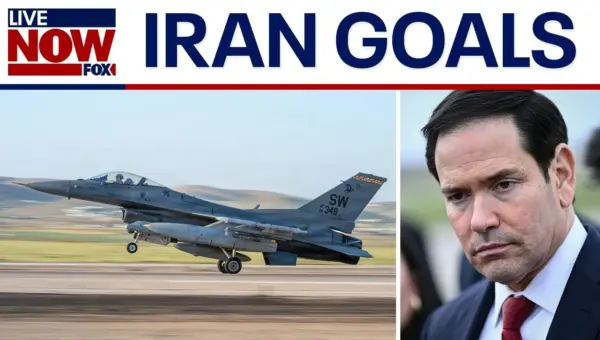
Rubio: US Can Achieve Iran War Goals Without Troops
Senator Marco Rubio outlined a strategy to counter Iran without deploying U.S. ground troops, focusing on weakening the regime and enhancing maritime security. He also criticized Cuba's economic system and expressed concerns about West Bank violence.


Israelis Forge Resilience Amidst Constant Bomb Shelter Drills
Life in Israel is a blend of resilience and constant vigilance, with many families adapting to frequent bomb shelter drills and even sleeping in makeshift shelters. Despite ongoing missile attacks, Israelis strive to maintain normalcy, though businesses face disruption and emotional fatigue is a growing concern.
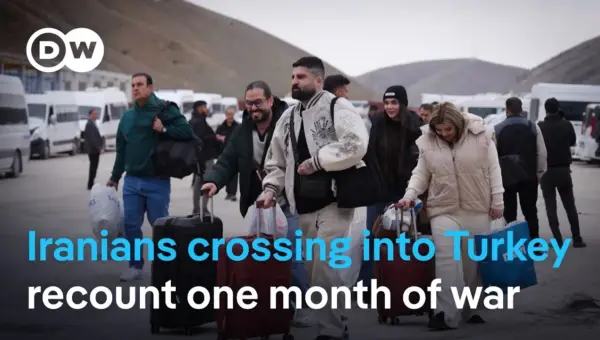
Iran War Exodus: Refugees Flee to Turkey Amidst Bombings
A train from Tehran brings refugees to Turkey, fleeing daily bombings and economic collapse. Many express deep fear for loved ones left behind, while some hold onto national pride and hope for victory. The conflict's impact is also felt economically in Turkey, with rising gas prices.