Illinois Voters Reject Big Money, Embrace Populist Message
Recent Illinois primary results show a strong voter pushback against outside spending and special interests. Victories for Juliana Stratton and Daniel Biss suggest a growing appetite for candidates focused on affordability and anti-corruption, offering a new model for Democratic campaigns.


Illinois Voters Reject Big Money, Embrace Populist Message
The recent Democratic primaries in Illinois delivered a clear message: voters are tired of outside money and special interests dictating politics. Two key races, the victory of Juliana Stratton for Lieutenant Governor and Daniel Biss’s win in Illinois’ 9th Congressional District, highlighted a growing desire for candidates who focus on everyday issues and reject the influence of dark money.
Stratton’s Upset Victory Signals a Shift
Juliana Stratton’s win over Raja Krishna Murthy was a significant upset. Despite being outspent by a wide margin, Stratton secured a victory of nearly 100,000 votes. This outcome suggests that substantial financial backing from outside groups, like those associated with the American Israel Public Affairs Committee (AIPAC), may not be as decisive as once thought. The narrative pushed by these groups, often focusing on foreign policy, failed to resonate with Illinois voters who prioritized issues like affordability and corruption.
Adam Mockler, who attended Stratton’s victory party, expressed optimism. “Today is a great day for the Democratic Party, a great day for America, and an awful day for AIPAC,” he stated. This sentiment reflects a broader frustration with groups that have been accused of manipulating campaign finance laws through super PACs and aggressive attack ads.
Illinois’ 9th District: A Battle Against Dark Money
The race in Illinois’ 9th Congressional District also saw significant outside spending, particularly against Daniel Biss. Organizations, some operating under different names like “Elect Chicago Women,” reportedly spent millions attacking Biss and other candidates. These groups, while not explicitly mentioning Israel or foreign policy in their attacks, were linked to larger organizations that have been criticized for their campaign finance practices.
Mike, who worked on Daniel Biss’s campaign, shared his experience. “They spent a million half dollars attacking Daniel Bess from an organization that never said anything about Israel, never said anything about Iran,” he noted. This strategy, he argues, is a tactic to obscure the true source of funding and influence, often masking it behind seemingly local or issue-specific fronts.
“The real issue that people had at the top of their list was affordability and corruption, stuff like that. We saw Democratic candidates show up for affordability against corruption. I think that’s huge.”
The Influence of Super PACs and Campaign Finance
The discussion repeatedly returned to the issue of campaign finance reform. Speakers lamented the influence of super PACs, funded by organizations like AIPAC, crypto interests through groups like Fairshake, and even AI companies. The concern is that these entities exploit campaign finance loopholes, such as those created by the Citizens United Supreme Court decision, to influence elections and avoid accountability.
Mockler called for action: “It’s why we have to overturn Citizens United. We have to ban super PACs. We have to bring real transparency. We got to get all this dirty money out of our politics.” The argument is that this money distorts the political process, allowing special interests to push agendas that may not align with the public good.
Beyond Ideology: Focusing on the Ground Game
The race in Illinois’ 9th District also featured a highly respected journalist, Cat Abu Gazale, who gained significant online momentum. While her campaign was praised for its innovative strategies and community engagement, Daniel Biss ultimately won. Speakers suggested that Biss’s victory was due to his long-standing presence and established credibility within the district, a factor that resonated with voters over the more recent online buzz.
This distinction highlights a common tension in modern politics: the power of online influence versus the importance of local connection and a proven track record. It was emphasized that online commentators, often based in different states, may not fully grasp the on-the-ground sentiment of a district.
The speakers also cautioned against prematurely dismissing candidates like Abu Gazale. Drawing parallels to Barack Obama and John Fetterman, who both lost their first elections, they argued that early setbacks can be crucial learning experiences. “Stop burying people when they don’t win their first race. Give them an opportunity to grow,” one speaker urged.
A Populist Message That Resonates
Both Stratton and Biss ran on platforms that directly addressed voters’ concerns about affordability, economic opportunity, and workers’ rights. Stratton’s campaign, for instance, focused on policies like fighting for a $25 minimum wage and securing Medicare for All, framing government as a partner rather than a roadblock for working families. This approach, described as “giving the people what they want,” proved effective.
The speakers contrasted this with what they see as overly complicated policy proposals from some Democrats. They advocated for a more direct, visceral messaging style, similar to that used by Donald Trump, but aimed at helping people rather than harming them. This populist strategy, rooted in tangible policy benefits and anti-corruption stances, appears to be a winning formula.
The Future of Democratic Primaries
Looking ahead, the speakers anticipate intense and potentially messy Democratic primaries in the future, particularly leading up to the 2028 presidential election. They foresee a period of ideological sorting and internal debate, fueled by social media and the evolving digital landscape. However, they view this as a necessary process for strengthening the party and cultivating a candidate who is truly tested and ready for the challenges ahead.
The core message for the future is clear: Democrats need to focus on building sustainable power through genuine connection with communities and by championing policies that directly improve people’s lives. The victories in Illinois serve as a roadmap, demonstrating that a commitment to grassroots issues and a rejection of undue financial influence can lead to significant success.
Why This Matters
These Illinois primary results are a critical indicator of voter sentiment, especially within the Democratic Party. They signal a potential shift away from candidates who rely heavily on external funding and toward those who can connect with voters on kitchen-table issues. The success of Stratton and Biss suggests that a populist message focused on affordability, corruption, and tangible policy benefits can overcome significant financial disadvantages. This outcome challenges the long-held assumption that money is the sole determinant of electoral success and offers a potential blueprint for future campaigns seeking to counter the influence of special interest groups and dark money in politics.
Implications, Trends, and Future Outlook
The trend highlighted in Illinois points towards a growing electorate that is wary of established political structures and the influence of well-funded organizations. This could lead to more primaries being decided not just by who has the most money, but by who can best articulate and deliver on the needs of ordinary citizens. The focus on issues like minimum wage, healthcare, and combating corruption suggests a desire for more progressive policies that have a direct impact on daily life. The future outlook suggests continued battles against well-funded opposition, but with a clearer understanding of how to counter their influence through strong grassroots campaigns and a focus on authentic connection with voters.
Historical Context and Background
The influence of money in politics has been a recurring theme throughout American history. The Supreme Court’s decision in Citizens United v. FEC in 2010 significantly altered campaign finance by allowing for unlimited independent expenditures by corporations and unions. This led to the rise of super PACs, which have played an increasingly prominent role in elections. The current frustration with these entities echoes earlier movements for campaign finance reform, such as those seen in the aftermath of Watergate. The focus on specific groups like AIPAC and their spending tactics is a contemporary manifestation of this ongoing debate about the role of money and special interests in shaping political outcomes.
Source: WE JUST WON BIG! (YouTube)

Related Articles
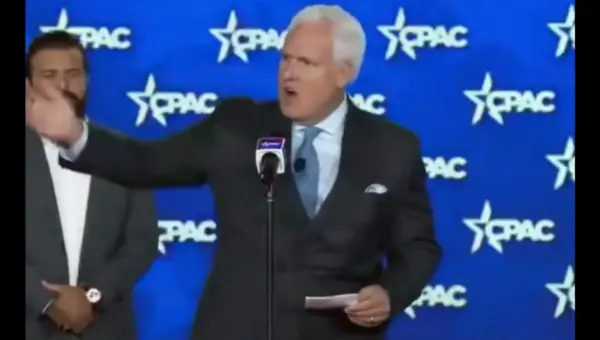
Trump’s CPAC Cheer: Populist Promises Crumble
Cheers for impeachment hearings at CPAC suggest cracks in Donald Trump's popularity. Critics argue his populist promises have gone unfulfilled, benefiting only himself and his allies. Voters are urged to hold leaders accountable and demand tangible results.

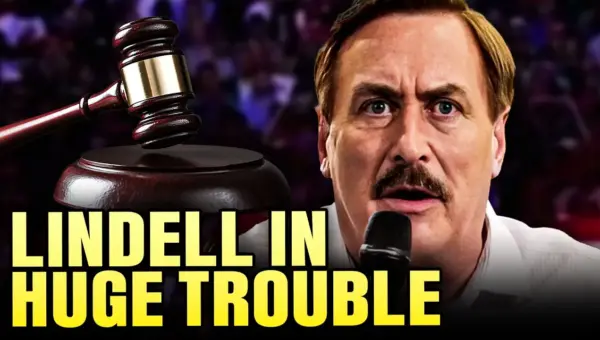
Lindell Faces Court Contempt Over Unpaid Fine
My Pillow CEO Mike Lindell has been held in contempt of court for refusing to pay a $56,000 fine to Smartmatic. The fine stems from his failure to comply with discovery requests in a defamation lawsuit. Lindell's claims of poverty are contrasted with his spending on his governor campaign, raising questions about campaign finance laws.

Democrats Surge Ahead: Midterm Sweep Looms Large
Recent Democratic victories, particularly in Florida, have dramatically shifted midterm election odds, suggesting a potential sweep of both House and Senate. This surge is attributed to voter weariness with Republican tactics and a perceived lack of governing competence. The outcome could reshape legislative priorities and force a strategic re-evaluation within the GOP.