War Drums Beat Louder as Officials Falter Under Scrutiny
A key resignation and public stumbles by administration officials reveal deep divisions and conflicting narratives surrounding a new war. Questions arise about the intelligence used to justify the conflict and potential foreign influence. The administration faces a critical test of its credibility and ability to manage a volatile geopolitical situation.


Administration Reels Amidst War and Resignation Chaos
A high-stakes geopolitical situation is causing significant turmoil within the current administration, marked by a key resignation and public struggles from top officials. The conflict, described as a war the administration cannot sustain, has led to widespread disarray and frantic attempts to control the narrative. This instability comes after a swift resignation from the counterterrorism director, sending shockwaves through the government.
Key Resignation Sparks Administration Meltdown
The catalyst for the current chaos appears to be the resignation of Joe Kent, the Director of the National Counterterrorism Center. Kent, described as a right-wing figure with access to sensitive intelligence, stated he could no longer support the ongoing war, asserting that Iran posed no imminent threat and that the conflict was initiated due to pressure from Israel and its powerful American lobby. This statement directly challenges the administration’s justification for military action.
“After much reflection, I have decided to resign from my position as director of National Counterterrorism Center effective today. I cannot in good conscience support the ongoing war in Iran. Iran posed no imminent threat to our nation, and it’s clear we started this war due to pressure from Israel and its powerful American lobby.”
Joe Kent, former Director of National Counterterrorism Center
Conflicting Narratives Emerge
The administration’s response has been characterized by contradictory statements and public stumbles. Caroline Levit, a White House official, appeared flustered when questioned about Kent’s appointment, suggesting the President had always considered him weak on security. However, Levit also defended the administration’s actions, claiming intelligence supported the decision to attack Iran to prevent imminent threats to American troops and assets. This defense contrasts sharply with previous statements, including one from Levit herself, that suggested no imminent threat from Iran existed.
Senator JD Vance also faced scrutiny, appearing to downplay rising gas prices while blaming the Biden administration. This narrative struggles to hold as reports indicate significant price hikes directly linked to the escalating tensions in the Middle East. Vance’s claims that the current situation is a “temporary blip” and that gas prices were higher under the previous administration are being challenged by the observable economic impact.
Scrutiny on Intelligence and Justification
The integrity of the intelligence used to justify the war has come under intense examination. During a cross-examination, Director of National Intelligence Tulsi Gabbard faced sharp questioning from Senator John O’s. O’s highlighted a discrepancy between the administration’s public statements about an “imminent nuclear threat” from Iran and the intelligence community’s own assessment, which stated Iran’s nuclear enrichment program was “obliterated” and that there had been no efforts to rebuild it. Gabbard struggled to provide a clear, consistent answer, suggesting that only the President could determine what constitutes an imminent threat, a point O’s vehemently disputed.
Why This Matters
The unfolding events raise critical questions about transparency, accountability, and the decision-making processes leading to international conflict. The public is presented with conflicting information from within the same administration, making it difficult to ascertain the true reasons for military engagement. The apparent reliance on foreign influence, as suggested by Kent’s resignation letter, and the subsequent struggles to present a unified, fact-based justification, erode public trust and highlight the potential for miscalculation in foreign policy.
Historical Context and Trends
This situation echoes historical instances where the justification for war has been based on questionable intelligence or influenced by external pressures. The pattern of appointing individuals, only to later criticize their competence, as seen with previous Trump administration officials, suggests a potential disconnect between presidential decisions and the execution of policy. Furthermore, the administration’s difficulty in managing public perception and responding to economic consequences, like rising gas prices, mirrors challenges faced by leaders during times of geopolitical instability.
Implications and Future Outlook
The current administration is facing a significant credibility crisis. The inability to provide a clear, consistent, and verifiable rationale for the war, coupled with the public disarray of its officials, suggests a loss of control over the narrative. This can have severe consequences, including alienating allies, emboldening adversaries, and further destabilizing an already volatile region. The economic fallout, particularly the surge in energy prices, will likely continue to impact citizens, potentially fueling public discontent.
Looking ahead, the administration must find a way to regain its footing by providing clear, honest communication and demonstrating a coherent strategy. Failure to do so could lead to prolonged conflict, further economic hardship, and a significant blow to the administration’s standing both domestically and internationally. The public’s demand for truth and clarity in matters of war and national security remains paramount.
Source: Entire Trump Admin SCRAMBLES over NEW BOMBSHELL (YouTube)

Related Articles

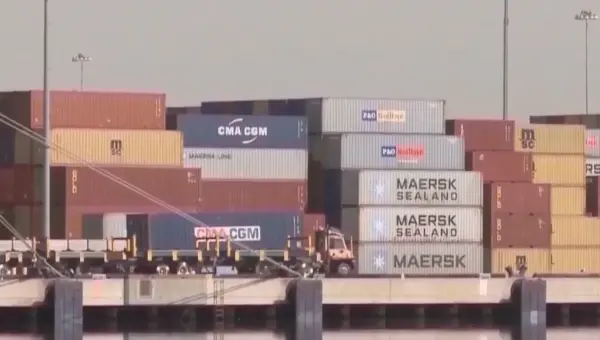
China Fights Back: Tariffs Loom Ahead of Trump Visit
China is retaliating against US trade investigations that could lead to higher tariffs. This escalating trade tension occurs just before a planned visit by President Trump. The dispute involves accusations of unfair practices and impacts global supply chains.


Israelis Forge Resilience Amidst Constant Bomb Shelter Drills
Life in Israel is a blend of resilience and constant vigilance, with many families adapting to frequent bomb shelter drills and even sleeping in makeshift shelters. Despite ongoing missile attacks, Israelis strive to maintain normalcy, though businesses face disruption and emotional fatigue is a growing concern.

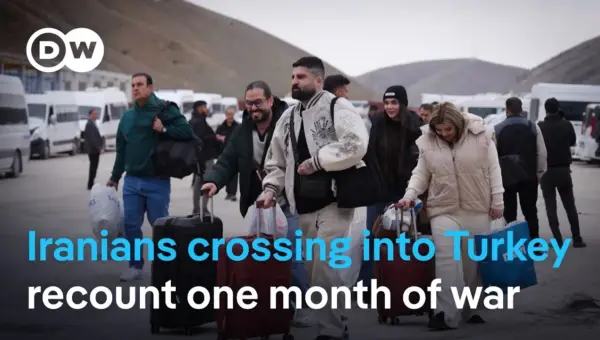
Iran War Exodus: Refugees Flee to Turkey Amidst Bombings
A train from Tehran brings refugees to Turkey, fleeing daily bombings and economic collapse. Many express deep fear for loved ones left behind, while some hold onto national pride and hope for victory. The conflict's impact is also felt economically in Turkey, with rising gas prices.