GOP’s 2028 Bet: Marco Rubio Could Spell Disaster
A reported "draft Rubio" movement within the MAGA wing of the Republican Party could be a strategic misstep. Critics point to Marco Rubio's past debate struggles and perceived loyalty-driven candidacy as potential liabilities for a 2028 presidential run.

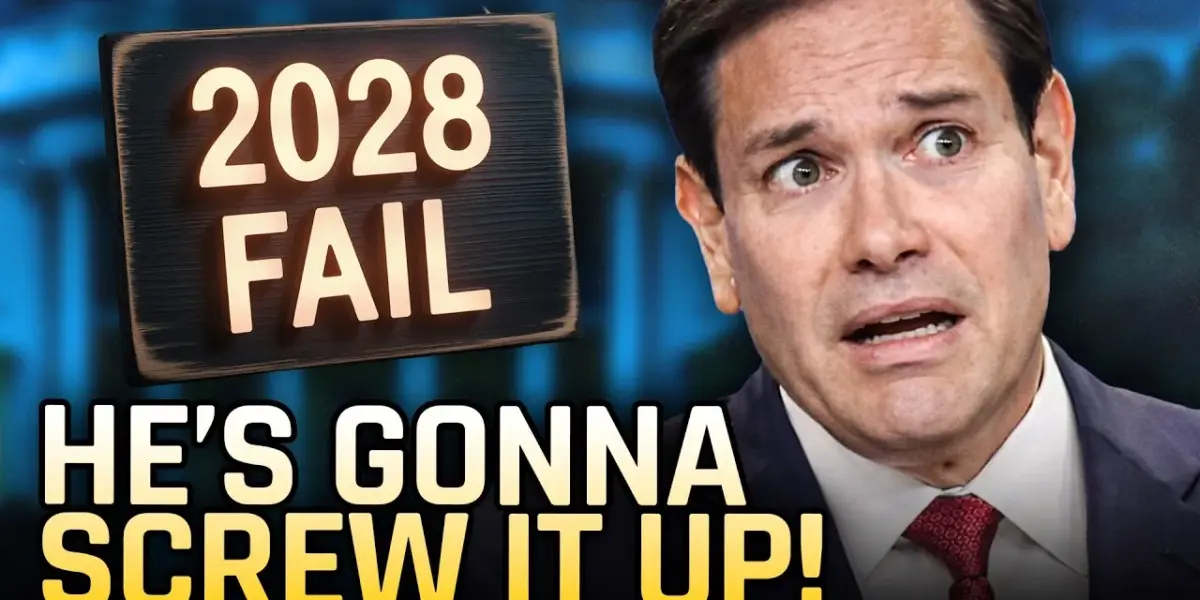
GOP’s 2028 Bet: Marco Rubio Could Spell Disaster
Reports suggest a movement within the MAGA wing of the Republican Party is pushing for Senator Marco Rubio to run for president in 2028. This plan, if it gains traction, could be a gift to Democrats, potentially setting the stage for a significant Republican loss.
A Look Back at 2016
The idea of a “draft Rubio” movement seems to overlook a critical moment in recent Republican history. Back in 2015 and 2016, during the Republican presidential primaries, Marco Rubio faced a defining challenge. Then-New Jersey Governor Chris Christie famously dismantled Rubio’s arguments on a debate stage.
Chris Christie decided to absolutely obliterate Marco Rubio. Made him look like a blithering idiot. I still go back every couple of months and rewatch that clip because it’s just so amazing. But Christie showed how easy it is to throw Rubio off his game to get him to stutter and stab and act a little frantic.
This debate moment is remembered by many as a turning point that exposed Rubio’s perceived weaknesses. Christie’s sharp questioning highlighted what appeared to be reliance on talking points rather than genuine, spontaneous responses. Many observers felt Rubio struggled to recover from Christie’s attacks, appearing flustered and unable to articulate his positions effectively.
Rubio’s Current Standing
Some critics argue that Rubio has not fundamentally changed since that 2016 encounter. They point to recent anecdotes, like one suggesting Rubio tried to hide from former President Donald Trump on Air Force One by sleeping on a couch and covering himself with a blanket.
This story, if true, is interpreted by some as a sign of timidity or a desire to avoid confrontation, even with a former president. For those who believe a presidential candidate needs to project strength and confidence, such an image could be damaging. The argument is that if Rubio struggled to handle a debate against Chris Christie years ago, he might face even greater difficulties against a modern Democratic nominee.
The Loyalty Argument
A key reason cited for the “draft Rubio” movement is his perceived loyalty to Donald Trump. Supporters believe this loyalty makes him a strong contender within the MAGA base. However, this perspective might ignore broader electoral concerns.
Choosing a candidate based primarily on loyalty to a past administration, especially one that is seen as unpopular by many, could be a risky strategy. It raises questions about whether such a candidate can appeal to a wider range of voters beyond the core base. The focus on loyalty might overshadow the need for a candidate who can connect with independent voters and those in swing states.
Why This Matters
The selection of a presidential nominee has massive implications for the country’s future direction. If the Republican Party indeed rallies behind Marco Rubio, it could signal a strategic choice to prioritize a specific segment of the electorate over a broader appeal. This could lead to a highly polarized election, with potentially significant consequences for policy and governance.
Implications and Future Outlook
The idea of a “draft Rubio” movement, while potentially appealing to some within the Republican Party, carries significant risks. Critics suggest that Rubio’s past debate performance and perceived personal style could make him vulnerable in a general election. The strategy of relying on loyalty to Donald Trump might not be enough to win over a diverse electorate.
Looking ahead, the Republican Party faces a crucial decision about its identity and its path to the presidency. Will it nominate a candidate who can broaden its appeal, or will it double down on a base-focused strategy? The “draft Rubio” movement, as reported, suggests the latter might be a possibility. If it plays out, the 2028 election could be a stark demonstration of the challenges faced by a party prioritizing internal loyalty over broad electoral appeal. The outcome could be a significant victory for the opposing party, as some observers suggest.
Historical Context
The dynamics of presidential primaries and general elections have always been complex. Candidates are often judged not only on their policy positions but also on their perceived electability, leadership qualities, and ability to connect with voters. The 2016 primary debates, particularly the one involving Chris Christie and Marco Rubio, serve as a historical example of how a single event can shape public perception of a candidate.
The current “draft Rubio” movement seems to be operating under the assumption that Rubio has overcome the weaknesses exposed in past campaigns. However, without clear evidence of a significant shift in his public image or debate performance, the concerns raised by critics remain relevant. The Republican Party’s decision on its 2028 nominee will undoubtedly be a closely watched event, with potential ramifications for American politics for years to come.
Source: Republicans Have Hilarious Plan To LOSE 2028 Presidential Election (YouTube)

Related Articles

Polls Spell Doom: Republicans Face Voter Backlash
New polling data reveals a sharp decline in public confidence regarding the economic impact of Republican policies, particularly under Donald Trump. A significant majority now feel financially worse off, a trend that is especially pronounced among independent voters. This economic discontent poses a major challenge for the Republican party heading into future elections.

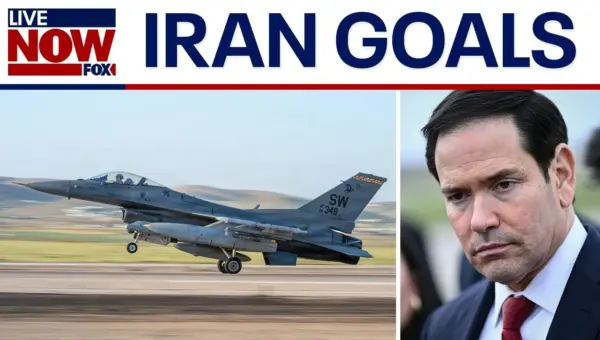
Rubio: US Can Achieve Iran War Goals Without Troops
Senator Marco Rubio outlined a strategy to counter Iran without deploying U.S. ground troops, focusing on weakening the regime and enhancing maritime security. He also criticized Cuba's economic system and expressed concerns about West Bank violence.

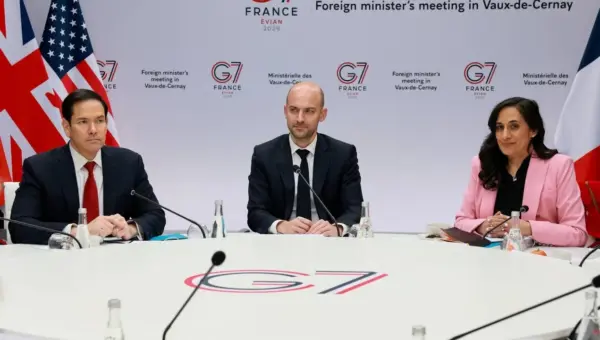
Rubio Puts US First at G7 Summit, Sparks Debate
Secretary of State Marco Rubio attended the G7 summit in France, emphasizing his commitment to serving the American people above all else. The meeting addressed the war in Iran and Russia's role, revealing differing approaches among allies on regional security and the Strait of Hormuz.