Trump’s Administration Crumbles Under Pressure
Recent events reveal significant turmoil within Donald Trump's administration, marked by key resignations and a chaotic response to criticism. A troubling report also suggests the U.S. is experiencing severe democratic backsliding. Debates rage over voter access laws and the integrity of public services like the USPS.

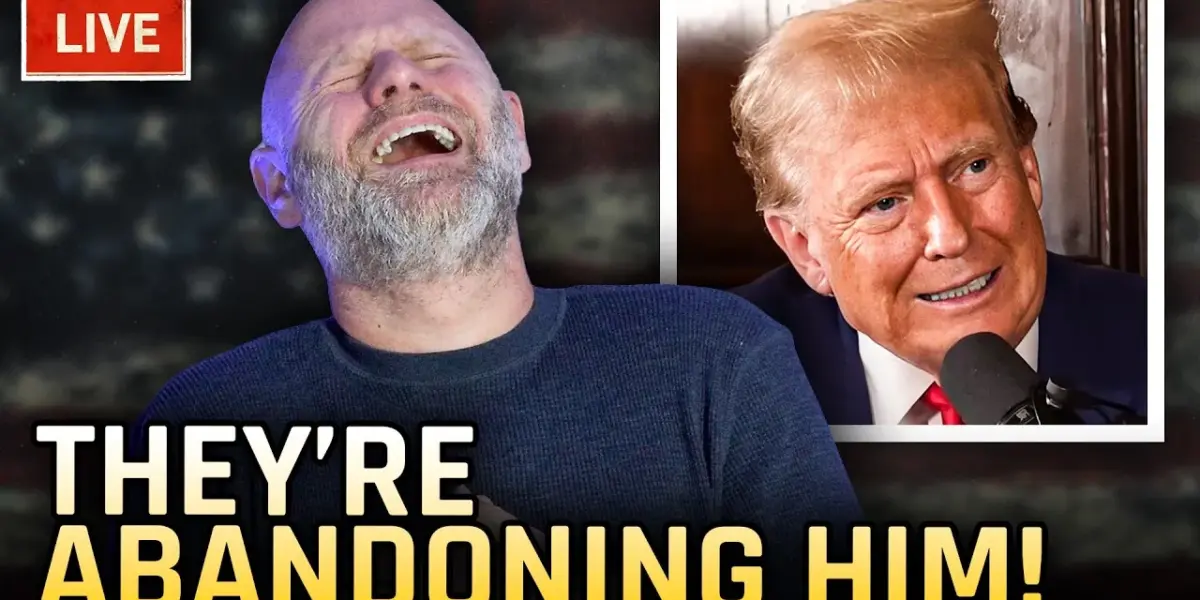
Trump’s Administration Crumbles Under Pressure
The political world has been buzzing with news of significant shake-ups within Donald Trump’s administration, leading to questions about the stability and effectiveness of his government. A key event was the unexpected resignation of Joe Kent, the former director of the National Counterterrorism Agency. Kent stepped down in protest against what he called Trump’s “war of aggression against Iran.” This departure didn’t just mean one person leaving; it seemed to trigger a cascade of reactions and defenses from within the administration.
Administration’s Chaotic Response
Following Kent’s resignation, the administration’s response appeared disorganized. When asked about Kent, Trump himself commented that he “always thought he was weak on security, very weak on security.” He added that it was “a good thing that he’s out,” though he admitted he didn’t know Kent well. However, the real controversy began when Kent’s statement was released, suggesting Iran was not an immediate threat. This contradicted many established views, and the administration’s reaction was swift and, to some, unhinged.
Blame Game and Incompetence
Instead of addressing Kent’s concerns directly, some within the administration, like Caroline Levit, immediately pointed fingers at Democrats and the liberal media. The speaker in the transcript found this tactic baffling, calling it “incredibly dumb” and a sign of an inability to respond to internal turmoil without involving political opponents. The criticism highlighted a perceived lack of original thought and an over-reliance on partisan attacks, even when the issue was an internal administration matter.
The blame game didn’t stop there. Reports emerged that others in the administration were also blaming Tulsi Gabbard, a former Democrat. According to a Fox News source, the White House had wanted Gabbard to fire Kent for some time, implying she held significant power. The speaker found this idea absurd, questioning if Gabbard was secretly in charge. This narrative suggested that the administration was willing to blame anyone, even a former political rival, rather than confront the substance of Kent’s resignation or the internal issues he raised.
Questionable Accusations and Convenient Timing
Further complicating the situation, the same Fox News source accused Joe Kent of being the primary leaker of information to the press from various government departments. This accusation seemed remarkably convenient, as it came from the very administration that Kent was leaving in protest. The speaker noted the implausibility of one person being responsible for all leaks across multiple agencies and suggested the timing was too perfect to be a coincidence. It appeared to be an attempt to discredit Kent by labeling him a serial leaker, thereby undermining his credibility and the reasons for his departure.
Democracy in Decline? A Troubling Report
Beyond the internal drama, a significant report from the Varieties of Democracy Institute at Goenberg University declared that the United States is no longer considered a functioning democracy. This finding, based on data going back to 1789, suggested the most severe democratic backsliding the country has ever seen. The report’s founder, Stefan Lindberg, noted that Donald Trump achieved this decline in just one year, a speed that outpaced the democratic suppression seen under leaders like Orbán in Hungary, Erdoğan in Turkey, and Modi in India.
Executive Orders vs. Laws
The report pointed to Trump’s extensive use of executive orders—225 in his first year—compared to the Republican-controlled Congress passing only 49 new laws. This imbalance suggested a shift in power away from the legislative branch. Furthermore, the Supreme Court’s role seemed diminished, with the administration often finding ways to circumvent rulings. The sheer volume of over 600 ongoing judicial procedures against the administration underscored the legal challenges and potential disregard for established processes.
The Save America Act and Voter Suppression Concerns
Another point of contention was the “Save America Act,” a piece of legislation championed by Donald Trump. Trump strongly urged Republican senators to pass it, framing it as crucial for preventing rigged elections, ensuring voter ID, and stopping “transgender mutilation of our children” and issues in men’s and women’s sports. However, critics, including the speaker, argued that the act was a thinly veiled attempt at voter suppression. The requirement for proof of citizenship and voter ID could disenfranchise millions who lack the necessary documentation, a situation described as a modern-day poll tax.
The speaker also challenged the narrative around transgender issues, stating that gender-affirming surgery on minors is rare and usually medically necessary, and that the number of transgender athletes competing at a high level is very small. The argument was that the act unfairly targets a small group and imposes significant burdens on voters, pushing for policies based on fear rather than fact.
Department of Justice Woes
The Department of Justice (DOJ) under Pam Bondi also faced significant staffing issues. More than half of its staff, including many lawyers, had left or been fired within the first year. This exodus created a hiring crisis, especially since the lawyers who remained had reportedly faced judicial criticism and potential loss of licenses due to the work they were asked to do. In response, the DOJ temporarily removed the experience requirement for new lawyer hires, a move the speaker deemed dangerous.
This decision meant that individuals fresh out of law school, with no practical experience, could become prosecutors. The speaker warned that these new lawyers, unaware of the potential legal and ethical pitfalls, could jeopardize their careers. The DOJ spokesperson’s statement, which included a jab at the “previous administration” for “welcoming predators with open arms,” was seen as another example of the administration’s tendency to attack opponents even when discussing internal policy changes.
US Postal Service on the Brink
Finally, the United States Postal Service (USPS) is reportedly about a year away from bankruptcy. While the USPS has been losing money since 2007, a 1992 law capped its borrowing from the Federal Reserve. With declining stamp sales due to e-commerce and digital communication, the USPS has maxed out its credit. The speaker noted that while this issue predates Trump, Republican efforts to privatize the service and hand over contracts to private companies like UPS, FedEx, and Amazon are a long-standing goal.
The speaker expressed a preference for tax dollars to fund the mail service over military spending, suggesting this is a common sentiment. The potential collapse of the USPS and its replacement by private entities could lead to increased costs for consumers and potentially worse service, despite the use of taxpayer money.
Why This Matters
The events described paint a picture of an administration struggling with internal dissent, facing serious questions about its respect for democratic norms, and implementing policies that critics argue are harmful or designed to disenfranchise voters. The resignation of a key counterterrorism official, the chaotic public responses, and the accusations of leaking suggest deep divisions and a potential lack of cohesive leadership. The report on the decline of American democracy, if accurate, is a grave warning about the health of the nation’s political system. The controversy surrounding the Save America Act and the staffing crisis at the DOJ highlight concerns about voter access and the integrity of legal processes. The potential demise of the USPS raises questions about the future of essential public services and the role of private enterprise.
Implications, Trends, and Future Outlook
The trend highlighted is one of increasing political polarization and a perceived erosion of democratic institutions. The administration’s response to criticism and internal challenges suggests a pattern of deflection and attack rather than constructive engagement. The report on democratic backsliding, if widely accepted, could lead to increased scrutiny of the U.S. political system both domestically and internationally. The focus on voter ID laws and the debates around election integrity are likely to continue, shaping future electoral landscapes. The issues at the DOJ and the USPS point to potential challenges in maintaining essential government functions and upholding the rule of law. The future outlook suggests a period of continued political turbulence and a need for robust public discourse on the direction of American democracy and governance.
Historical Context and Background
The discussion about democracy versus a republic touches on a long-standing debate in American political thought, originating from the founders’ intentions. The concerns about executive power and the use of executive orders have historical parallels, particularly during times of national crisis or strong presidential leadership. The debate over voter access and election laws has roots in historical struggles for suffrage and civil rights. Similarly, the role and funding of public services like the USPS have been subjects of political debate for decades, often pitting arguments for efficiency and privatization against those for universal access and public good.
Source: Trump In Shambles As Administration Falls Apart (YouTube)

Related Articles

Jane Fonda Warns of ‘Existential Crisis’ Amid Protests
Jane Fonda has issued a stern warning about widespread attacks on the First Amendment, urging Americans to defend their freedoms. The veteran activist highlighted the growing number of large-scale protests as a sign of public concern and a crucial opportunity to address both democratic erosion and the climate crisis.

Voter ID: Common Sense or Suppression?
A growing debate surrounds voter ID laws, with proponents calling them a common-sense measure against fraud and opponents fearing voter suppression. Many countries and U.S. states already require ID to vote.
Trump’s Iran War Plans Criticized Amid Border Funding Standoff
Lawmakers and analysts are criticizing the Trump administration's handling of the Iran conflict and its approach to border funding, arguing that a lack of clear planning and a focus on political battles are making the U.S. less safe. Concerns are particularly high regarding the FBI's priorities and the potential impact of these issues on national security.