Iran’s Nukes: Gabbard Reveals Stunning Truth Amidst Ossoff’s Interrogation
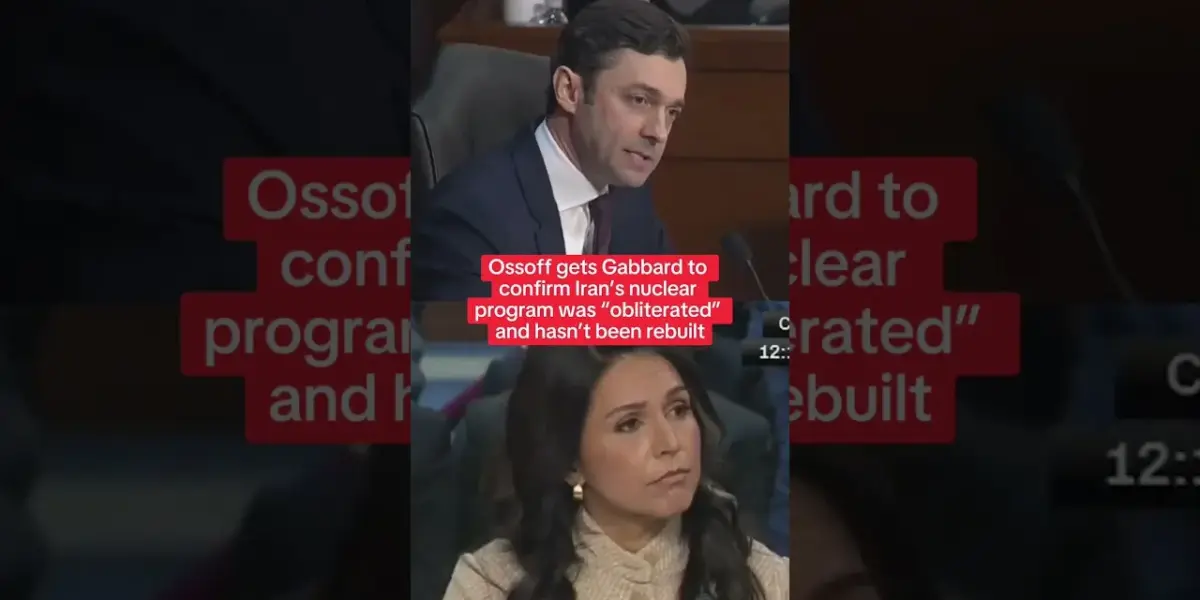
Representative Tulsi Gabbard stated that Iran's nuclear enrichment program was "obliterated" by air strikes and has not been rebuilt. This assessment, representing the intelligence community's view, was confirmed during a hearing. The claim suggests a significant de-escalation of the nuclear threat.

Iran’s Nuclear Program: A Shifting Narrative?
A recent hearing brought a surprising admission about Iran’s nuclear capabilities. Representative Tulsi Gabbard, testifying on behalf of the intelligence community, stated that Iran’s nuclear enrichment program was “obliterated” by air strikes last summer. She also confirmed there has been no effort to rebuild this capability since then. This assessment comes directly from the intelligence community itself.
The Intelligence Community’s Position
Senator Jon Ossoff pressed Gabbard on these points, seeking confirmation of the intelligence community’s official stance. Gabbard repeatedly affirmed that her testimony accurately reflected this assessment. She confirmed that the program was indeed destroyed by the strikes and that no attempts have been made to restart it. This was presented as the current view of U.S. intelligence agencies.
Historical Context: A Long Road on Iran’s Nukes
The question of Iran’s nuclear program has been a major concern for decades. International bodies and world powers have worked for years to prevent Iran from developing nuclear weapons. This has involved complex negotiations, sanctions, and diplomatic efforts. The Joint Comprehensive Plan of Action (JCPOA), also known as the Iran nuclear deal, was a significant agreement aimed at limiting Iran’s uranium enrichment in exchange for sanctions relief.
However, the U.S. withdrew from the JCPOA in 2018 under the Trump administration. This led to renewed tensions and a re-escalation of Iran’s nuclear activities. Iran began increasing its enrichment levels and stockpiles, moving closer to potentially weapon-grade material. This situation has caused significant alarm among U.S. allies and within the U.S. government.
Analyzing Gabbard’s Statement
Gabbard’s strong assertion that the program was “obliterated” and has not been rebuilt is a significant statement. It suggests a more positive development than many might have expected, given the recent history. The air strikes mentioned likely refer to covert or overt military actions taken against Iranian nuclear facilities. The effectiveness of such strikes in completely destroying a nuclear program is often debated.
Some experts argue that while strikes can damage facilities and set back a program, they rarely eliminate it entirely. Iran has a history of dispersing its nuclear activities, making them harder to target. The claim that there has been “no effort” to rebuild is also a strong one. It implies a complete halt in any Iranian attempts to restart enrichment, which might be difficult to monitor perfectly.
Potential Discrepancies and Questions
While Gabbard’s testimony aligns with the intelligence community’s stated assessment, it raises questions. How certain is the intelligence community about the complete destruction and the lack of rebuilding efforts? What specific intelligence supports these conclusions? The wording “obliterated” is quite definitive. It suggests a level of destruction that is absolute.
It’s also important to consider the timing of this assessment. Intelligence assessments can change based on new information. The fact that this statement was made during a congressional hearing suggests it is the most current understanding. However, the public often sees reports of Iran continuing or expanding its nuclear activities. This hearing’s testimony appears to contradict some of those public narratives.
Why This Matters
The status of Iran’s nuclear program is critical for global security. Any indication that Iran is close to obtaining nuclear weapons raises the stakes for international relations. It could trigger a regional arms race and increase the risk of conflict. Therefore, understanding the reality of Iran’s capabilities is paramount for policymakers.
Gabbard’s testimony, if accurate and fully supported by intelligence, could signal a significant de-escalation of the nuclear threat. It might suggest that past actions have been more effective than previously understood. This could influence future diplomatic strategies and the approach to sanctions. It also highlights the importance of intelligence assessments in shaping foreign policy decisions.
Implications, Trends, and Future Outlook
If Iran’s program was indeed effectively neutralized, the focus might shift. Instead of solely concentrating on preventing a nuclear breakout, efforts could turn towards ensuring the program remains dormant. This could involve continued monitoring and potentially new diplomatic engagement.
However, if there are any doubts about the completeness of the “obliteration” or the lack of rebuilding, the situation remains tense. The trend has been one of Iran gradually increasing its nuclear activities since the U.S. withdrawal from the JCPOA. This testimony, if it represents a genuine and lasting change, would mark a significant departure from that trend.
The future outlook will depend on several factors. Continued intelligence gathering is crucial. Diplomatic channels will remain important, whether for verification or for future negotiations. The political climate within Iran and the broader geopolitical landscape will also play a role. The world will be watching closely to see if this assessment holds true over time.
Source: Gabbard FINALLY ADMITS Truth about Iran Nukes as Ossoff GRILLS HER (YouTube)

Related Articles


Gulf States Demand Seat at Table on Iran’s Nuclear Future
Gulf states are demanding a seat at the table for any U.S.-Iran talks regarding Iran's nuclear future. This move reflects a growing assertiveness and a desire to shape regional security directly. It signals a potential shift towards more inclusive diplomatic efforts in the Middle East.

Iran War Sparks Nuclear Fears: Is a Global Arms Race Brewing?
The conflict in Iran has heightened global fears of nuclear proliferation and a potential arms race. Experts warn that Iran may pursue nuclear weapons if its current deterrence fails, while historical examples show the dangers of unchecked nuclear ambitions. The world faces uncertain scenarios, ranging from renewed diplomatic efforts to a dangerous escalation of nuclear threats.


Israel Strikes Iran Nuclear Sites Amid Stalled Talks
Israel has struck key Iranian nuclear facilities, including uranium enrichment and heavy water plants, amid stalled international negotiations. The U.S. is pushing for a deal to curb Iran's nuclear ambitions while also seeking allied support to secure the vital Strait of Hormuz.