Japan PM Faces Trump’s Demands Amid Global Crisis
Japanese Prime Minister Say Takahichi faces a challenging meeting with U.S. President Donald Trump, balancing demands for military support against Japan's strict constitutional laws. While unable to offer direct military aid during the ongoing war, Japan is exploring economic contributions like Alaskan oil purchases and addressing regional security concerns regarding China.

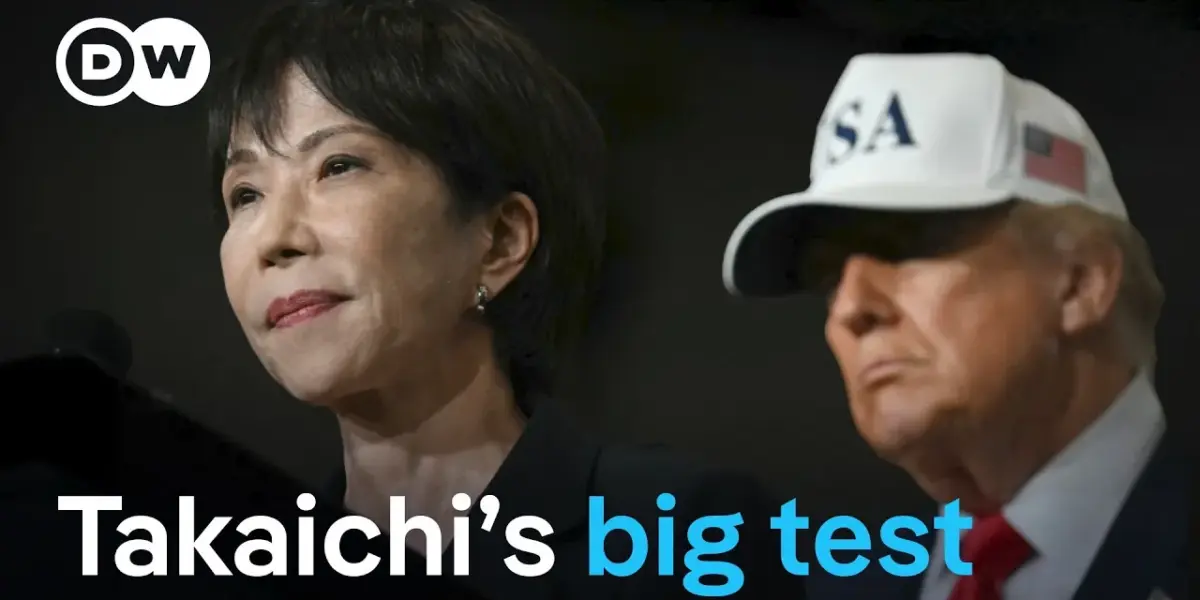
Japan PM Faces Trump’s Demands Amid Global Crisis
Japanese Prime Minister Say Takahichi is heading to Washington for a critical meeting with U.S. President Donald Trump. The visit, initially planned to celebrate her election victory and strengthen the U.S.-Japan alliance, has become a test of how Japan will navigate a global crisis. At the heart of the matter is President Trump’s demand for military support in the ongoing conflict that is disrupting global oil flows and hurting Japan’s economy. However, Japan faces significant legal and traditional barriers to providing the military aid Trump seeks.
Legal Hurdles Prevent Military Aid
Sheila Smith, an expert on Japanese foreign policy at the Council on Foreign Relations, explained the core issue: “Japan has laws on the books that restrict the use of the self-defense forces except for under very specific conditions.” This stems from the government’s interpretation of Article 9 of the Japanese Constitution. Prime Minister Takahichi has clearly stated, “Under Japanese law, what can be done will be done, but what cannot be done won’t be done.” This means Japan is not in a position to negotiate military deployment during an active war. In the past, Japan has sent mine sweepers to the Gulf, but only after conflicts concluded, not during active combat. Therefore, deploying military forces while the current war is ongoing is a non-starter for Japan.
Potential Economic Offers for Support
Despite the military restrictions, Japan is exploring alternative ways to support the U.S. and ease economic pressures. One key area of discussion is the potential purchase of Alaskan oil. The Trump administration has previously advocated for Japanese investment in Alaskan infrastructure, including pipelines to bring crude oil to Japan and other parts of Asia. This represents a massive investment, but it could help Japan diversify its energy sources, making them less risky and closer to home. This offer could serve as a significant contribution to the U.S.-Japan partnership, providing economic benefits for both nations.
Common Ground on China and Taiwan
Beyond the immediate crisis, Prime Minister Takahichi is also expected to address concerns regarding China’s growing influence. Both Washington and Tokyo share common ground on Beijing’s posture towards Taiwan, which China considers its own territory. While Takahichi has not made a career out of criticizing China, her focus on Japanese defense needs and regional security in light of China’s military power is well-known. Her approach to regional stability and Japan’s own defense requirements provides a basis for cooperation and discussion with the U.S. administration.
Navigating a High-Stakes Meeting
The meeting at the Oval Office carries significant weight, especially given President Trump’s tendency to apply pressure during such encounters. Unlike a previous, more ceremonial meeting where Takahichi hosted Trump in Tokyo shortly after her election, this visit is focused on substance and navigating difficult constraints. The optics of the previous visit, where Takahichi appeared comfortable in a military setting alongside the U.S. president, conveyed a strong alliance message. This time, however, the focus is on tangible outcomes and addressing the limitations imposed by Japanese law.
Broader Economic and Security Discussions
The agenda extends beyond the immediate crisis. The meeting will likely touch upon the host nation support agreement, which governs the costs of stationing U.S. troops in Japan. Observers will be watching for discussions on reciprocity in this area. While President Trump often prioritizes economic dynamics, there’s anticipation about whether the U.S. will seek broader strategic military cooperation. Japan’s contributions to security in the Indo-Pacific region could also be a topic of discussion, aiming to ensure the U.S. remains focused on this theater amidst the Iran war.
Japan’s Diplomatic Balancing Act
Japan is also engaged in separate diplomatic efforts concerning the Iran war. There’s an ongoing conversation in Japan about negotiating safe passage through the Strait of Hormuz with Iran. Several countries, including India and Pakistan, have already secured such passage. Iran has indicated a willingness to consider safe passage for Japan if it is not supporting the U.S. war effort. This highlights the complex trade-offs Japan faces as it balances its alliance with the U.S. against its own economic interests and regional stability.
Potential Outcomes and Future Watch
Prime Minister Takahichi aims to leave Washington with tangible achievements, both for the international stage and for her domestic audience. A public display of embarrassment or criticism from President Trump could significantly impact Japanese public opinion. The meeting is considered high-stakes for both Takahichi and Japan, with potential outcomes ranging from strengthened bilateral ties to public dissatisfaction. Other U.S. allies will be closely observing this visit to understand how they can position themselves when facing pressure from a superpower. The focus will remain on whether the U.S. can look beyond the immediate crisis in Iran and maintain a strategic view of the Indo-Pacific, especially concerning Chinese military activity around Taiwan.
Source: The Oval Office meeting Japan’s prime minister can’t afford to get wrong | DW News (YouTube)

Related Articles
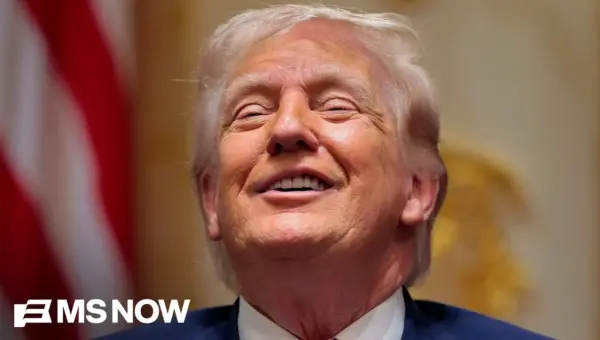
Trump’s Name Everywhere: A ‘Stain’ on GOP Legacy?
Former President Donald Trump's efforts to brand national symbols, including a proposed signature on dollar bills, spark debate. Critics view this as an authoritarian attempt to embed his legacy, potentially staining the Republican Party's history and contrasting with democratic ideals of public ownership.


Trump’s War Talk Stuns Financial Crowd
Donald Trump's recent speech in Miami focused on his foreign policy, particularly his critical views on NATO and his vision for international relations. He declared the U.S. would no longer defend NATO allies, questioned the value of existing alliances, and suggested renaming the Strait of Hormuz. The speech also touched on his personal views of success, his allies, and his perceived role as a global peacemaker.
Trump’s Warpath: New Threats Signal Imperial Ambitions
Recent statements from Donald Trump reveal a potential embrace of increased military action and interventionist foreign policy. This approach, characterized by critics as "imperialism 2.0," contrasts with his past promises of peace and has even drawn criticism from parts of his own base. The implications for U.S. global engagement and domestic priorities are significant.