Trump Faces Revolt Over Iran War, Divides MAGA Base
President Trump is facing a significant backlash over the ongoing war in Iran, with polls showing a majority of Americans opposing the conflict. Prominent conservative figures and even some within the MAGA movement are voicing dissent, fueling concerns that Israel may be unduly influencing U.S. foreign policy. Rising economic woes at home further complicate the political situation for the president.

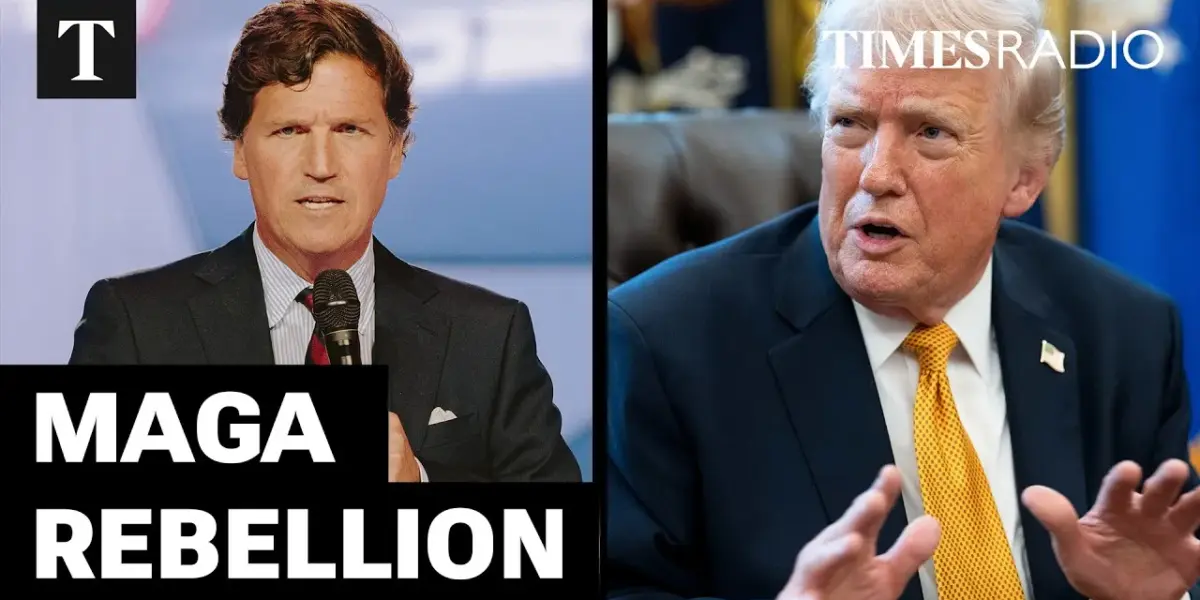
Trump’s Iran War Sparks Backlash, Divides MAGA Movement
President Trump is facing significant opposition to the ongoing war in Iran, a conflict that has quickly become unpopular, even among his core supporters. Unlike past controversial wars like Iraq and Vietnam, which initially enjoyed public support, this war began with widespread disapproval. Within its first three weeks, polls indicate a majority of Americans oppose the conflict, a sentiment echoed by prominent conservative commentators and even some within the MAGA movement.
Polls Show Strong Public Opposition
A recent YUGV poll reveals that only 33% of Americans strongly or somewhat support the war, with a striking 56% opposing it. This lack of public enthusiasm is a stark contrast to historical conflicts that, despite later becoming controversial, started with more public backing. The war’s unpopularity is particularly pronounced among independent voters, who, according to polls, oppose it by a two-to-one margin from the very beginning.
Conservative Voices Speak Out Against War
Key conservative figures who have previously endorsed Donald Trump, such as Joe Rogan, Megan Kelly, and Tucker Carlson, have publicly voiced their opposition to the war and the involvement of Israel. This internal dissent within the right-wing media landscape is notable. “It is just so rare to hear some of these people criticizing President Trump in a vigorous way,” noted Nile Gardiner, White House columnist for The Hill. “And it gives permission in a sense for other usual supporters of Trump to question what exactly is going on here.”
Accusations of Israeli Influence
A significant point of contention for Trump’s critics is the perception that Israel is dictating U.S. foreign policy, particularly concerning the war. Some MAGA supporters feel betrayed, believing Trump has broken his promise of ending endless wars. “He ran on no more wars and these stupid, senseless wars. And then we have one that we can’t even really define why we did it,” one critic stated. The sentiment that the war was not a U.S. necessity but rather a decision influenced by Israeli interests is widespread among opponents.
“I don’t think those four service members died for the United States. I think they died for Iran or for Israel.”
Complex Issue of Israeli Influence
The issue of Israeli influence on U.S. policy is complex. While some on the far-right express anti-Semitic views, others, including Republican senators, have reportedly engaged with Israeli leadership to influence U.S. actions. “There obviously is a large amount of Israeli influence in this war,” Gardiner observed. “And at the same time, raising that issue can quite easily lead one toward tropes that are or would be considered anti-Semitic.” This delicate balance highlights the challenges in discussing foreign policy influence without veering into bigotry.
Economic Concerns Compound Political Headwinds
The war’s unpopularity is further amplified by rising domestic economic concerns, particularly inflation and the cost of living. Increased oil prices are leading to higher gasoline costs, which in turn drive up prices for most goods due to transportation expenses. This economic pressure creates a challenging political environment for Trump and the Republicans. “The cost of living in electoral terms, domestic political terms, it’s always going to be absolutely important,” Gardiner stated. “And the cost of living is rising for so many products.”
Echoes of Past Presidential Struggles
The current situation bears some resemblance to challenges faced by the Biden administration. During Biden’s presidency, positive economic indicators often did not align with people’s daily experiences of rising costs. Now, Trump faces a similar disconnect, with polls showing widespread dissatisfaction with his handling of inflation. Inflation is a particularly potent political issue because it affects everyone, regardless of employment status or age, making it a constant concern for voters.
Looking Ahead
As the war enters its fourth week, President Trump faces mounting pressure from multiple fronts: dwindling public support, criticism from within his own base, and persistent economic anxieties among voters. How the administration navigates these challenges, particularly the growing dissent and the complex relationship with Israel, will be crucial in shaping public opinion and the political landscape heading into future elections.
Source: Trump Faces Growing Revolt | Could Iran Split MAGA? (YouTube)

Related Articles
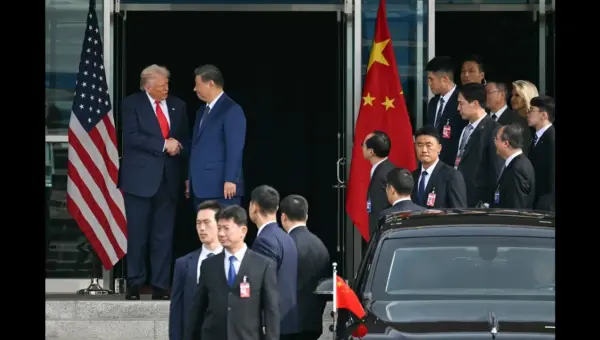
Trump’s “Walk Away” Tactic Signals Tougher Stance on China
Retired Air Force Brigadier General David Stillwell believes President Trump's strategy of being willing to walk away from negotiations puts pressure on China. This tactic, combined with US global actions and strengthened alliances, signals a more assertive American foreign policy.

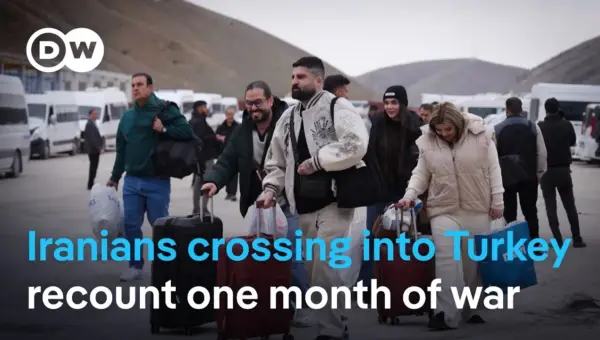
Iran War Exodus: Refugees Flee to Turkey Amidst Bombings
A train from Tehran brings refugees to Turkey, fleeing daily bombings and economic collapse. Many express deep fear for loved ones left behind, while some hold onto national pride and hope for victory. The conflict's impact is also felt economically in Turkey, with rising gas prices.

Trump’s War Talk Stuns Financial Crowd
Donald Trump's recent speech in Miami focused on his foreign policy, particularly his critical views on NATO and his vision for international relations. He declared the U.S. would no longer defend NATO allies, questioned the value of existing alliances, and suggested renaming the Strait of Hormuz. The speech also touched on his personal views of success, his allies, and his perceived role as a global peacemaker.