Iran War’s Economic Fallout: 200 Days to Recovery, Analyst Warns
An analyst warns that even if the Iran war ends tomorrow, it could take 200 days for the global economy to recover. This disruption affects oil production, supply chains for crucial goods, and is fueling voter concerns ahead of the midterm elections. The White House faces a challenge in reassuring markets and the public amid rising economic anxieties.

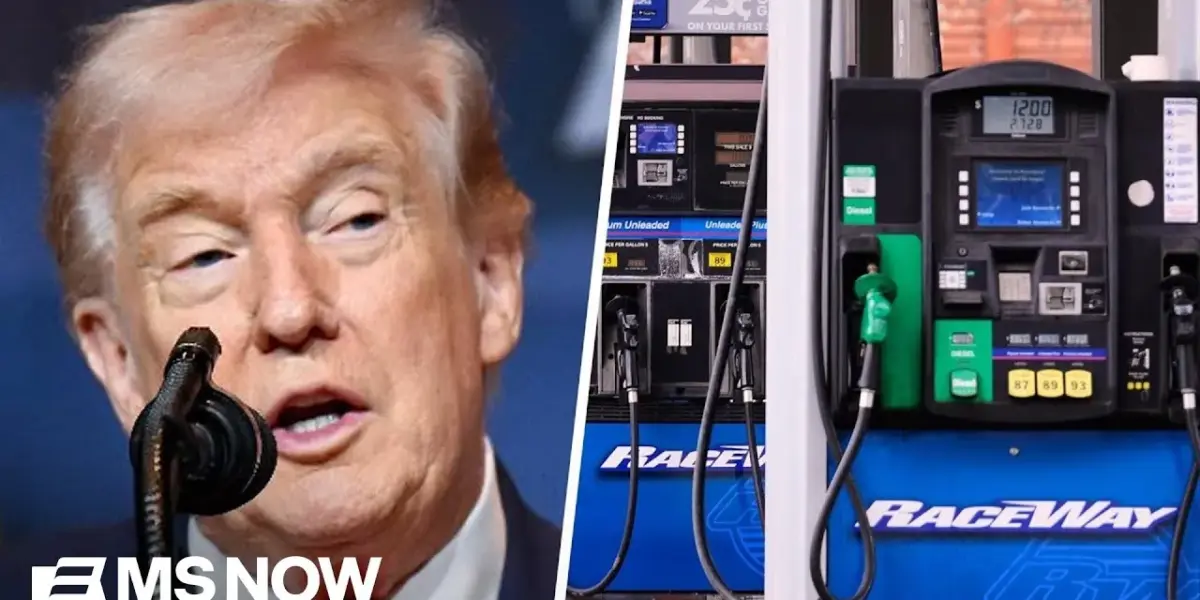
Global Economy Faces Long Road to Recovery After Iran Conflict
A recent analysis suggests that even if the conflict in Iran were to end tomorrow, it could take approximately 200 days for the global economy to return to its previous state. This stark warning comes amid growing concerns about the war’s impact on oil prices, supply chains, and political stability. The disruption has affected not only Iran’s own oil and gas production but also that of neighboring nations, leading to significant delays and shutdowns.
White House Messaging vs. Market Reality
While the current administration is working to reassure the public and markets that the economic challenges are temporary, experts point to a disconnect between this messaging and the reality on the ground. Analysts note that efforts to build a coalition to secure vital shipping lanes like the Strait of Hormuz have faced difficulties. The administration appears to be in a position where ending the conflict is not solely its decision, as Iran also holds influence over de-escalation.
Political analysts highlight that public concern is rising, fueled by economic anxieties and a general dislike for prolonged overseas conflicts. This sentiment is particularly noticeable as voters grapple with increased costs at the pump and other economic pressures. The messaging from the White House, while aiming for calm, seems to betray underlying worries about the lack of clear answers regarding a resolution plan.
Voter Concerns and Political Ramifications
The war in Iran has become a significant issue for voters, especially as it coincides with economic struggles. Many supported the current president based on promises to end what they viewed as “forever wars.” Now, with rising inflation and the ongoing conflict, these voters feel their concerns are being overlooked. Focus group discussions reveal frustration over government spending on international ventures while domestic economic hardship persists.
This potent mix of economic hardship and foreign entanglement is seen as detrimental to the current administration and poses challenges for Republican candidates in upcoming elections. The potential for a change in political control could lead to increased scrutiny and investigations, further complicating the situation.
The Steep Cost of Disruption: Beyond Oil Prices
The economic impact extends far beyond crude oil prices. The conflict has disrupted the supply of essential goods like fertilizer, urea, and helium. These materials are crucial for various industries, including agriculture, the production of jet fuels, semiconductors, and medical imaging equipment. The shutdown of wells and the inability to transport goods through the Strait of Hormuz have created bottlenecks that will take months to clear.
Henrietta Trey, an analyst at VEDA Partners, emphasized the long recovery timeline. “Even if the war were to end tomorrow, that would still take an estimated 200 days to get back on track,” she stated. This suggests that the economic consequences will be felt long after any potential ceasefire.
Gas Prices and the Road to Halloween Midterms
The timing of this economic disruption is particularly critical, with the midterm elections just weeks away. Rising gas prices, which had been on a downward trend, are now climbing again. This reversal is a significant political problem for the administration, especially as voters face higher costs at the pump. The current situation suggests that crude oil prices are likely to remain elevated for the foreseeable future.
The deployment of additional military personnel to the region further indicates that the conflict is expected to continue for an extended period. This prolonged uncertainty adds to the economic strain and complicates efforts to stabilize markets and reassure the public.
Looking Ahead: A Long Road to Recovery
The coming months will be crucial in determining the full extent of the economic damage and the effectiveness of any recovery efforts. With the midterm elections looming and the conflict in Iran showing no immediate signs of a swift resolution, voters and policymakers alike will be closely watching for signs of stabilization. The 200-day recovery estimate serves as a stark reminder of the deep and lasting impact that geopolitical conflicts can have on the global economy.
Source: If Iran war ended tomorrow it could take '200 days' for economy to recover: Analyst (YouTube)

Related Articles

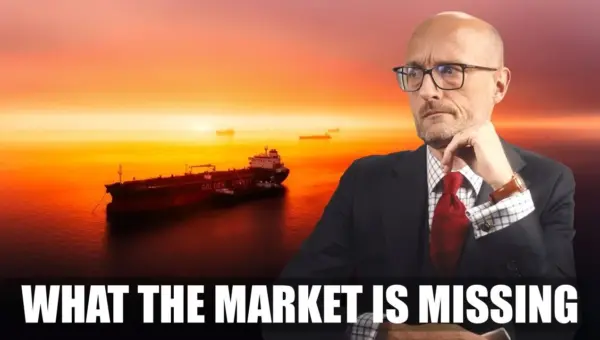
Stocks Ignore War Risks, Focus on “Taco Moments”
Stock markets appear to be overlooking the severe supply chain risks stemming from the Iran conflict, focusing instead on potential diplomatic de-escalations. While the S&P 500 shows resilience, bond and commodity markets signal deep concern over disruptions to critical resources like LNG, helium, and fertilizers.
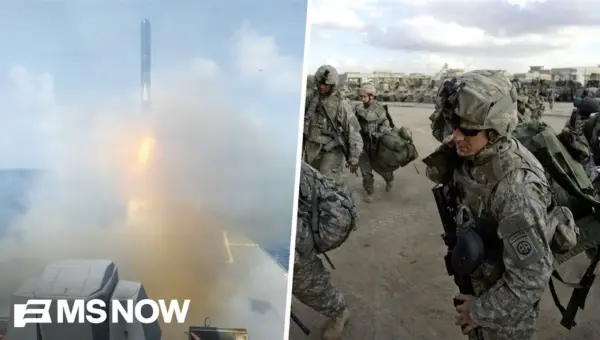
Iran Missile Strikes Injure US Troops, Raise War Concerns
Iranian missile strikes have injured U.S. service members, escalating tensions as the conflict nears one month. The attacks are raising concerns about the effectiveness of U.S. military strategy and the depletion of crucial missile stockpiles. Global oil prices have surged, impacting economies worldwide.


Americans Rally for Democracy Amidst War and Economic Woes
Thousands of Americans are participating in "No Kings" rallies nationwide, demanding accountability from leaders and drawing parallels to historical movements that spurred significant change. The protests occur amidst a controversial war with Iran, economic uncertainty, and a partial government shutdown. Organizers emphasize solidarity, joy, and the power of collective action in defending democracy.