Trump Targets UK’s Starmer as War in Iran Fuels GOP Divide
President Trump's criticism of UK leader Keir Starmer and growing divisions within the Republican party over the Iran war are creating international and domestic tensions. A key resignation highlights a debate about U.S. involvement in Middle East conflicts and its alliances.

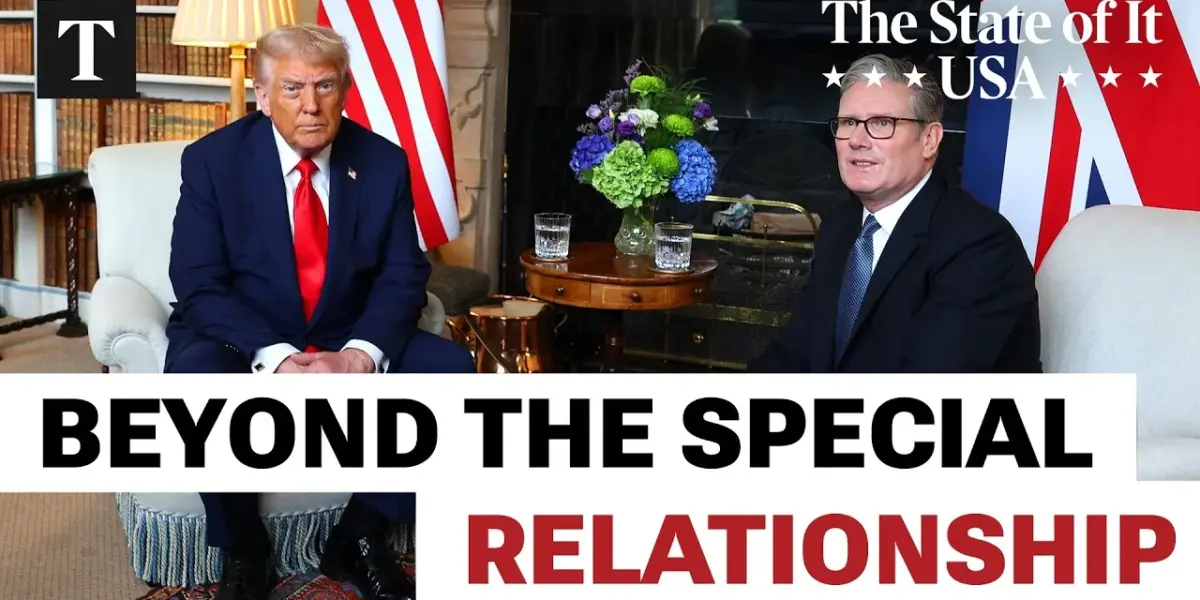
Trump Criticizes UK’s Starmer Amidst Iran War Tensions
President Donald Trump has recently intensified his criticism of NATO allies, with a particular focus on the United Kingdom and its leader, Keir Starmer. Analysts suggest this is a tactic by Trump to exert pressure, likening it to kicking a dog when the main target is unavailable. The commentary comes as the U.S. navigates the complex situation surrounding the war in Iran, raising questions about international alliances and strategic goals.
US-UK Relations Under Strain
The U.S. President reportedly expressed disappointment that the UK did not readily agree to send ships to the region when asked. This criticism highlights a perceived lack of support from a key ally, despite the U.S. investment in NATO and its role in protecting European interests. According to sources, Trump views Starmer as a politically weak leader, making him an easy target for public criticism.
One administration official, speaking anonymously, described the dynamic: “When you can’t kick somebody, you kick his dog.” This sentiment reflects a broader pattern of Trump’s approach to international relations, where perceived weaknesses are exploited. The article suggests that Britain’s current military and strategic standing makes it a convenient target for Trump’s rhetoric.
Broader Implications for NATO and Global Strategy
The criticism of the UK and Starmer is seen as part of a larger pattern of Trump questioning NATO’s value and the contributions of its members. While Trump has previously pushed NATO countries to increase defense spending, his current approach appears more confrontational. This has led to speculation about the future of the alliance and the U.S. commitment to it.
Analysts also point to political differences and a perceived decline in the UK’s military capabilities as factors contributing to Trump’s harsh assessments. The situation was highlighted during St. Patrick’s Day events, where the Irish leader, Michael Martin, reportedly found himself trying to smooth over Trump’s negative remarks about Starmer.
The War in Iran and Shifting Alliances
The ongoing conflict in Iran has become a focal point for these international discussions. While the U.S. and Israel have inflicted significant damage on Iran’s military capabilities, the strategic situation remains complex, particularly concerning shipping through the Strait of Hormuz. The war’s progression, or lack thereof, is influencing diplomatic relations and potentially benefiting adversaries like Russia and China.
Russia benefits from increased oil prices, while China secures much-needed oil supplies. This dynamic raises concerns that America’s main strategic rivals could emerge stronger from the conflict. The U.S. faces the challenge of declaring victory while Iran maintains control over critical shipping lanes, a situation that complicates any potential withdrawal or de-escalation.
Resignation Highlights Deepening Divisions within the Republican Party
The resignation of Joe Kent, Director of the National Counterterrorism Center, over his disagreement with the war in Iran has exposed significant rifts within the Republican party. Kent stated he could not support the war, citing a lack of sufficient justification and suggesting it was primarily Israel’s war, not in America’s direct interest.
Trump dismissed Kent’s concerns, labeling him as weak on security. However, Kent’s statement touched upon a growing sentiment among some Republicans, particularly within the MAGA movement, that the U.S. is being drawn into conflicts that serve the interests of other nations, such as Israel, rather than its own. This has fueled debates about interventionism and the U.S. role in the Middle East.
The Rise of Anti-Israel Sentiment in MAGA Circles
Kent’s remarks, which suggested the U.S. was dragged into the conflict by Israeli Prime Minister Benjamin Netanyahu, have resonated with a segment of the Republican base. This perspective aligns with criticisms voiced by figures like Tucker Carlson, who have questioned the U.S. alliance with Israel and expressed skepticism about interventionist foreign policy. The commentary has been described as anti-Israel and, in some instances, anti-Semitic.
While public polling suggests that many within the MAGA movement support the war, Kent’s resignation and the surrounding discourse highlight a potential for future political tension. If the war does not yield clear successes or becomes prolonged, these internal divisions within the Republican party are likely to widen, with some factions blaming Israel for drawing the U.S. into the conflict.
Future Outlook: A Divided Party and Uncertain Alliances
The coming weeks and months will be crucial in determining the long-term impact of the Iran conflict and the associated political fallout. The U.S. faces the challenge of managing international relations, particularly with NATO allies, while also addressing internal political divisions. The extent to which the war in Iran becomes a prolonged engagement or a swift conclusion will likely shape the Republican party’s future direction and its approach to foreign policy.
Source: How Keir Starmer Became Donald Trump's Kickable Pet (YouTube)

Related Articles
U.S. Iran Tensions Rise Amid Shifting Alliances
Rising tensions between the U.S. and Iran are creating a volatile geopolitical situation. With conflicting signals on de-escalation and potential shifts in alliances like NATO and U.S.-Israel relations, the path forward remains uncertain. The global economy and regional stability hang in the balance.
Polls Spell Doom: Republicans Face Voter Backlash
New polling data reveals a sharp decline in public confidence regarding the economic impact of Republican policies, particularly under Donald Trump. A significant majority now feel financially worse off, a trend that is especially pronounced among independent voters. This economic discontent poses a major challenge for the Republican party heading into future elections.

Americans Rally for Democracy Amidst War and Economic Woes
Thousands of Americans are participating in "No Kings" rallies nationwide, demanding accountability from leaders and drawing parallels to historical movements that spurred significant change. The protests occur amidst a controversial war with Iran, economic uncertainty, and a partial government shutdown. Organizers emphasize solidarity, joy, and the power of collective action in defending democracy.