Iran Threatens Strait of Hormuz: Ex-NSA Lawyer Calls for Major Operation
A former NSA lawyer warns that eliminating threats in the Strait of Hormuz requires a "substantial military operation." This comes as rising gas prices fuel voter anger and questions arise about intelligence briefings and diplomatic efforts with Iran.

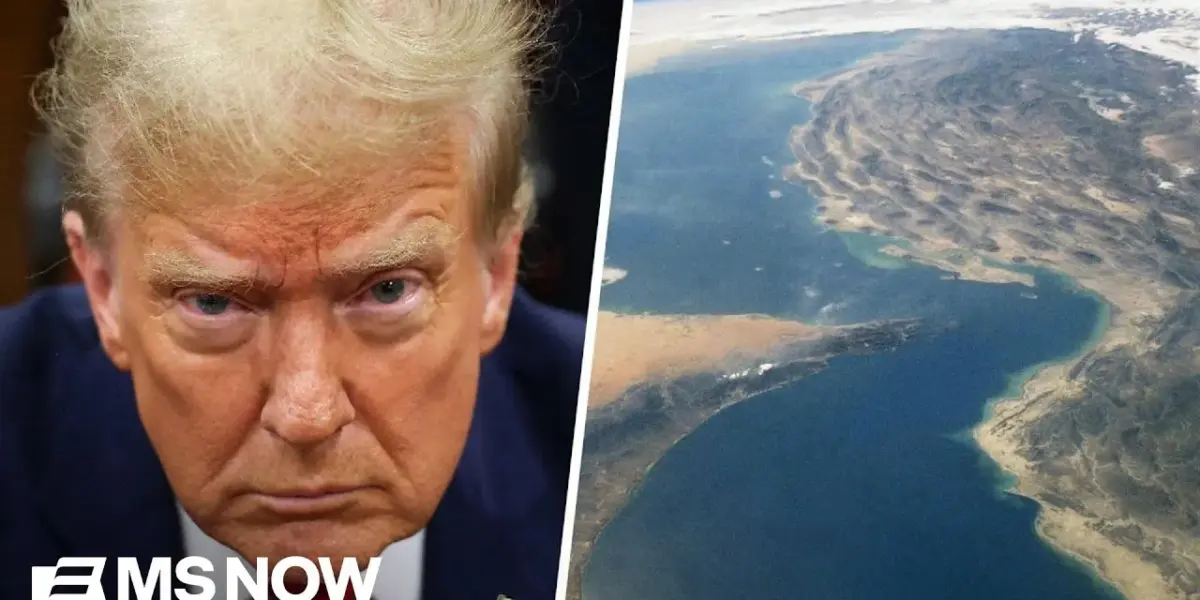
Ex-NSA Lawyer Warns of Major Military Action in Strait of Hormuz
A former top lawyer for the National Security Agency (NSA) has stated that a significant military operation would be necessary to fully eliminate the threat posed by Iran in the Strait of Hormuz. Glenn Gerstell, former General Counsel of the NSA, made these remarks in the context of rising global oil prices and concerns over Iran’s potential actions to disrupt shipping lanes.
Rising Gas Prices Fuel Voter Anger
The discussion comes as American voters express frustration over increasing gas prices. A striking interview with a Trump voter in Pennsylvania highlighted this anger. The woman, who had voted for Donald Trump three times, expressed deep regret and disappointment, calling the former president a “worthless pile of sh**.” She pointed to the rising cost of gasoline, which has surged significantly, as a major concern. She questioned the President’s ability to articulate a clear reason for U.S. involvement in overseas conflicts and the expected duration of such engagements.
Strait of Hormuz: A Decades-Old Concern
The potential for Iran to close the Strait of Hormuz has been a predicted threat for decades. This critical waterway is a vital chokepoint for global oil transport. Experts noted that officials struggled to answer questions during congressional hearings about the planning and execution of operations related to Iran. They were asked if air power alone was sufficient to achieve the president’s goals or if ground troops would be needed to seize Iran’s uranium, a task that would require a substantial military undertaking.
Intelligence Community Under Pressure
The hearings also revealed challenges within the intelligence community in providing clear assessments that align with presidential expectations. In 2019, intelligence chiefs presented findings that President Trump reportedly did not want to hear, such as Iran not being on the verge of building a nuclear bomb or North Korea being unlikely to disarm through negotiations. This led Trump to famously suggest his intelligence chief should “go back to school.” Years later, a similar dynamic appears to be at play, with intelligence officials carefully navigating public statements to avoid publicly contradicting the president.
Senator John Ossoff specifically questioned the Director of National Intelligence about the nature of an “imminent threat” from Iran. The Director, Tulsi Gabbard, reportedly evaded direct answers, stating that the decision on whether an imminent threat exists rests with the president. Gerstell suggested that even without revealing sensitive sources and methods, intelligence agencies could likely share fundamental truths about threats with the public, as has been done in other situations, like the war in Ukraine.
Diplomatic Offers and Military Responses
Adding another layer to the situation, reports emerged that Iran had offered to give away all of its enriched uranium during peace talks. However, hours after this offer, the U.S. reportedly began bombing Iran. British officials, who were present during the talks, were reportedly surprised by the U.S. military response, believing the Iranian offer was credible and that negotiations should have continued. This sequence of events raises questions about the intelligence presented to the president and the decision-making process.
Lack of Public Information on Briefings
During a hearing, Senator Mark Kelly pressed Director Gabbard and Director Ratcliffe on whether they had been asked to brief the president on Iran’s potential to close the Strait of Hormuz. Both officials were reluctant to comment directly on presidential briefings. The exchange highlighted a broader difficulty in discerning what specific intelligence was presented to the president or even if the White House requested specific analyses regarding Iran’s actions and potential responses from adversaries and allies.
The Global Oil Market and U.S. Military Spending
The article emphasizes that oil prices are a global issue, not solely determined by domestic production. Even with strategic reserves, global price increases directly impact American consumers. The difficulty in securing the Strait of Hormuz, a vital shipping lane, underscores the complexities of international security. Despite the United States spending an estimated $800 billion annually on its military, more than all other nations combined, the planning and execution of operations in such a critical and narrow waterway present significant challenges. The Strait itself is only 21 miles wide, with shipping channels as narrow as two miles. This makes it difficult to counter threats from small, fast boats armed with missiles, requiring a “substantial military operation” to ensure complete security.
Future Considerations
Moving forward, questions remain about the clarity of intelligence provided to U.S. leadership, the effectiveness of diplomatic channels in de-escalating tensions with Iran, and the public’s perception of the administration’s handling of both foreign policy and its economic consequences. The need for robust planning and potentially significant military engagement in the Strait of Hormuz will likely continue to be a focal point.
Source: Need 'substantial military operation' to eliminate threat in Strait of Hormuz: Fmr. NSA lawyer (YouTube)

Related Articles


Israel Escalates Iran Strikes, Warns of Wider War
Israel has launched significant strikes inside Iran following continued missile fire, warning of further escalation. The conflict risks wider regional instability and economic disruption, especially concerning the Strait of Hormuz.
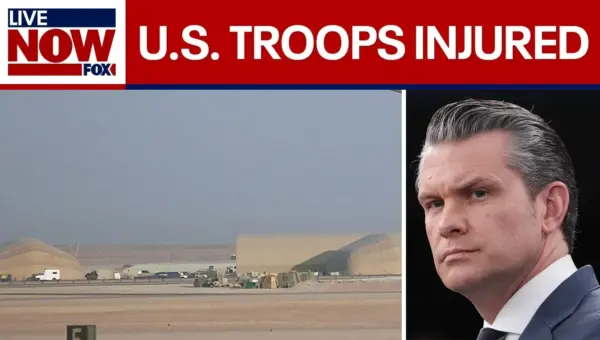
US Troops Wounded in Saudi Base Attack by Iran
An Iranian missile attack on Prince Sultan Air Base in Saudi Arabia wounded multiple U.S. service members and damaged aircraft. The incident highlights the ongoing risks in the Middle East and the limitations of air defense systems. Analysts discuss the strategic implications, economic pressures, and the isolation of Iran amidst the conflict.
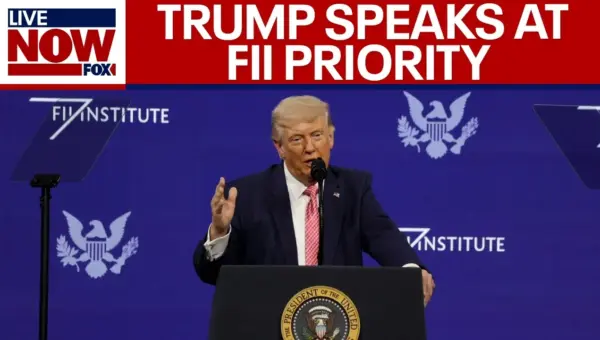
Trump Boasts Military Might, Slams Iran at Investment Summit
Former President Donald Trump spoke at the FII Priority Summit, detailing his administration's assertive stance against Iran and emphasizing the strength of the U.S. military. He claimed credit for dismantling Iran's military capabilities and preventing its nuclear ambitions. Trump also criticized NATO while praising Middle Eastern allies and touched on domestic issues like border security.