Trump Officials Falter Under War Questioning
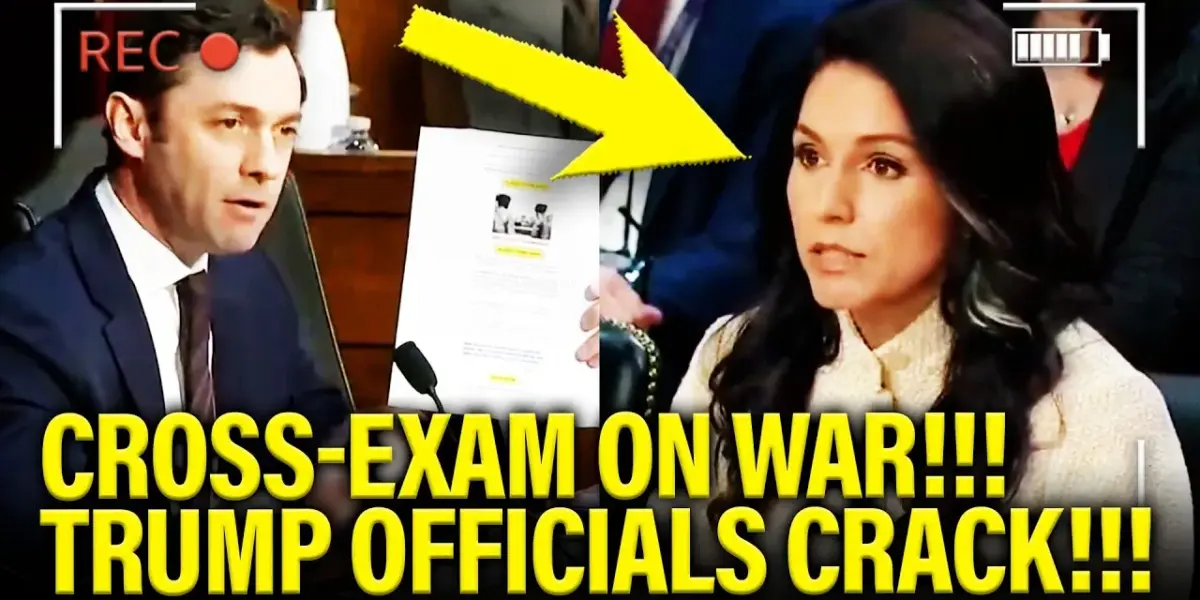
Top Trump officials, including Tulsi Gabbard and John Ratcliffe, faced intense questioning about war decisions concerning Iran. Their evasive answers at a Senate hearing have sparked debate about transparency and accountability in national security policy.

Trump Officials Falter Under War Questioning
During a recent Senate Intelligence Committee hearing, top officials connected to Donald Trump faced tough questions about the administration’s actions regarding Iran. The focus was on the decisions made concerning potential military conflict, and the officials, including former Congresswoman Tulsi Gabbard and former Director of National Intelligence John Ratcliffe, appeared to struggle when pressed for clear answers. The situation highlighted a significant moment where public scrutiny met the often-guarded world of national security policy.
Key Moments of Scrutiny
The hearing aimed to shed light on the events leading up to and during the period of heightened tension with Iran. Reports suggest that when asked directly about specific war-related decisions, the officials’ responses were evasive. This evasiveness, according to critics, left many crucial questions unanswered. The public, it is argued, deserves transparency regarding decisions that could have led to significant conflict.
The officials’ attempts to avoid direct answers raised concerns about the clarity and justification behind the administration’s foreign policy choices.
The cross-examination focused on whether certain actions were fully considered and what intelligence supported them. When officials did not provide the expected level of detail, it fueled speculation and criticism. This kind of public examination is a vital part of the democratic process, ensuring accountability for those in power.
Historical Context of Iran Tensions
Tensions between the United States and Iran have a long and complex history. Decades of diplomatic disputes, sanctions, and military standoffs have marked the relationship. The period in question, under the Trump administration, saw a significant increase in these tensions. Actions like the withdrawal from the Iran nuclear deal and the designation of Iran’s Revolutionary Guard Corps as a terrorist organization were key events.
These policy shifts were often met with strong reactions, both domestically and internationally. Supporters argued that a tougher stance was necessary to counter Iran’s influence and actions in the region. Critics, however, warned that such policies could easily escalate into open conflict. The hearing sought to understand the specific decision-making process during this volatile time.
Why This Matters
The scrutiny of Trump officials on matters of war and foreign policy is more than just a political event. It speaks to the core principles of democratic governance: transparency and accountability. When leaders make decisions with potentially life-and-death consequences, the public has a right to know the basis for those decisions.
The perceived lack of clear answers from officials like Gabbard and Ratcliffe can erode public trust. It suggests that perhaps the full story behind critical foreign policy choices is not being shared. This can lead to a public that feels uninformed and distrustful of its government’s actions on the world stage. Such distrust can have lasting negative effects on national unity and international relations.
Implications and Future Outlook
The events at the hearing could have several implications. Firstly, it may lead to increased demands for greater transparency in national security decision-making. Lawmakers might push for stronger oversight mechanisms to ensure that future administrations are more forthcoming with information.
Secondly, this could influence public perception of the individuals involved and the broader Trump administration’s foreign policy legacy. When officials appear unable to clearly defend their actions under questioning, it can leave a lasting impression of uncertainty or questionable judgment. The trend towards greater public access to information, even on sensitive topics, is likely to continue as citizens demand more accountability.
Looking ahead, future administrations will likely be more aware of the potential for such public cross-examinations. The expectation for clear, defensible justifications for foreign policy decisions, especially those involving potential military action, is growing. The ability of officials to articulate and defend their choices under pressure will remain a critical test of their credibility and the soundness of the policies they represent.
Source: TOP Trump Officials COLLAPSE under CROSS-EXAM on WAR!!! (YouTube)

Related Articles
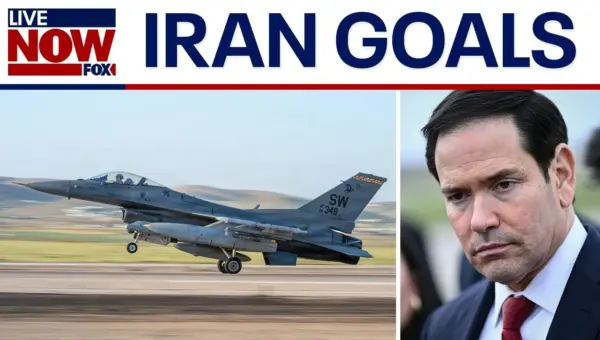
Rubio: US Can Achieve Iran War Goals Without Troops
Senator Marco Rubio outlined a strategy to counter Iran without deploying U.S. ground troops, focusing on weakening the regime and enhancing maritime security. He also criticized Cuba's economic system and expressed concerns about West Bank violence.


Israel Escalates Iran Strikes, Warns of Wider War
Israel has launched significant strikes inside Iran following continued missile fire, warning of further escalation. The conflict risks wider regional instability and economic disruption, especially concerning the Strait of Hormuz.
Trump’s Iran War Plans Criticized Amid Border Funding Standoff
Lawmakers and analysts are criticizing the Trump administration's handling of the Iran conflict and its approach to border funding, arguing that a lack of clear planning and a focus on political battles are making the U.S. less safe. Concerns are particularly high regarding the FBI's priorities and the potential impact of these issues on national security.