Iranians Defy Regime, Celebrate New Year Amid Crackdown
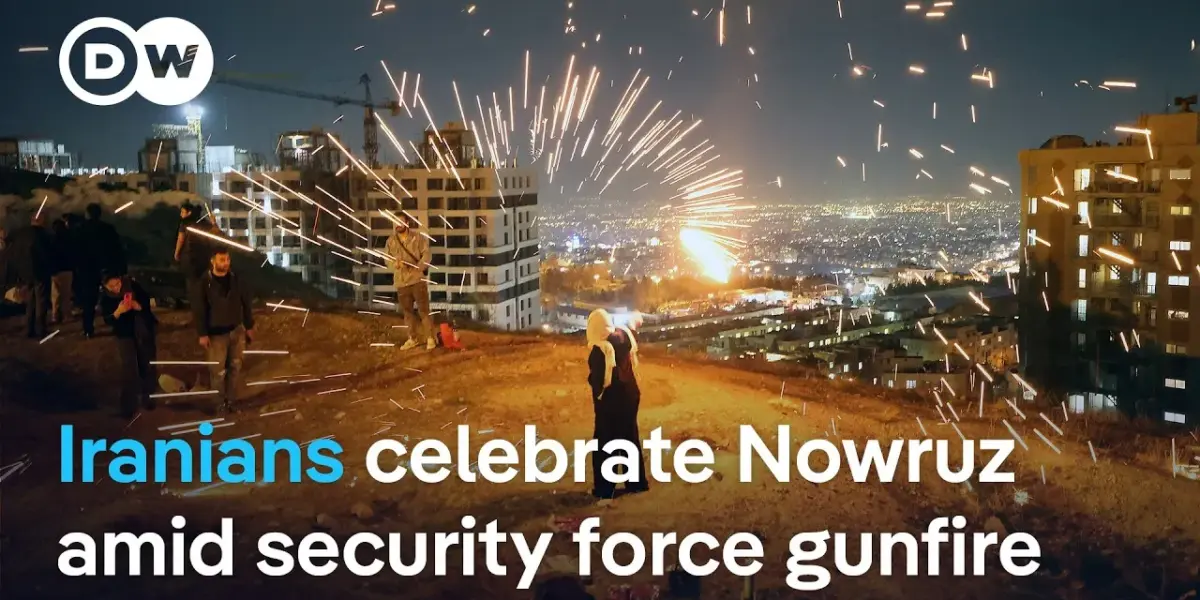
Iranians took to the streets of Tehran to celebrate the Persian New Year, defying government orders and marking the occasion with open defiance. Despite a severe internet blackout and intensified crackdown by security forces, citizens expressed a desire for renewal and a rejection of the current regime's control.

Iranians Defy Regime, Celebrate New Year Amid Crackdown
TEHRAN, IRAN – As Iran celebrated its ancient New Year, Nowruz, citizens in Tehran defied government orders to stay indoors, marking the occasion with street gatherings. The celebrations, traditionally a time for public festivity, took on a political tone as residents openly challenged the Islamic Republic’s attempts to suppress dissent. Videos circulating online showed people gathering in the streets, only to disperse quickly as security forces arrived and the sound of gunfire was heard.
Symbolism of Defiance: Ancient Traditions Clash with Modern Rule
Theresa Trapa, an Iran analyst, explained the deep significance of these acts of defiance. She noted that the regime views ancient, pre-Islamic traditions like Nowruz with suspicion. The festival, symbolizing renewal and hope, involves rituals like jumping over fires to leave behind the old and embrace the new. This message of renewal and future energy directly contrasts with the Islamic Republic’s agenda.
The celebrations also included chants of “Long live the Shah,” a direct reference to the son of Iran’s last monarch, who lives in exile and supports the ongoing protests. Trapa emphasized that these are not just cultural festivities but clear political statements. “It’s highly political. It’s not just a festival. It’s definitely a show of defiance,” she stated.
A Window of Opportunity? Limited Information Amidst Internet Blackout
The question of whether a genuine opportunity for popular uprising exists is complex, especially given the severe limitations on communication. The Iranian regime has maintained an internet blackout for nearly three weeks, making it extremely difficult to gather reliable information from inside the country. This blackout intensified in recent days, with even phone calls becoming nearly impossible.
Despite the challenges, Trapa noted that unlike the previous year, many Iranians chose not to leave the country. They harbored hopes of taking to the streets again to support what they see as actions initiated by external powers like the U.S. and Israel. These external actions have targeted Iran’s security apparatus, including the killing of senior officials. However, the resilience of the Islamic Republic, with its layered succession plans, also breeds frustration among the populace.
The Mystery of the Supreme Leader’s Son
A significant point of speculation is the absence of the Supreme Leader’s son, Mosha Kam, from public view. He is widely believed to have been injured in an air strike that killed his father and other family members. The severity of his injuries remains unknown, but his prolonged silence has fueled rumors of severe incapacicity.
Even Iranian officials, including the president and foreign minister, have made comments suggesting they are out of contact with him, indicating uncertainty about his stance on current matters. While some speculate he may have been moved to Russia for treatment, Trapa believes he is likely still in Iran, if alive. His eventual reappearance is crucial, especially with upcoming events like the end of Ramadan, the continued Nowruz festivities, and Islamic Republic Day, all occasions where the Supreme Leader would typically make an appearance.
Intensified Crackdown and Human Rights Concerns
Under pressure, the regime has significantly tightened its grip on dissent. The Iranian police chief issued explicit threats, warning protesters that they would face the same treatment as the enemy, with “hands on the trigger.” This warning is taken seriously by Iranians, recalling the brutal crackdown on anti-regime protests in early January, which resulted in thousands of deaths and arrests.
Human rights activists are particularly concerned about those imprisoned without fair trials, fearing they are easy targets for the regime. The recent execution of a Swedish citizen, convicted of spying for Israel, highlights these fears. Activists decry the trial as a sham, and with many more individuals in jail, the risk of further executions remains high.
Information Blackout Hinders External Contact
The ability to communicate with contacts on the ground, once possible during previous crises, is now severely limited. Since the start of the war, the internet has been shut down, but the current blackout is described as unprecedentedly intense. Even individuals with special government-linked SIM cards are reportedly disconnected, making information flow from Iran almost entirely cut off. Only regime mouthpieces and officials, like the foreign minister, are visible online, leaving independent reporting facing significant obstacles.
Source: Iranians defy their regime to celebrate Iranian New Year in Tehran | DW News (YouTube)

Related Articles

Iran Targets US With Cyberattacks, Escalating Digital Warfare
Iran is increasingly using cyberattacks to challenge the U.S., as seen in a recent hack of the FBI director's account. Experts say this is a strategic shift due to Iran's limitations in conventional warfare. The U.S. needs to strengthen its digital defenses, focusing on encryption and cloud computing, rather than solely relying on traditional security measures.

Iran Hacks FBI Chief, Exposing U.S. Cyber Vulnerabilities
A recent hack of FBI Director Kash Patel's personal email by an Iran-linked group highlights Iran's growing cyber threat to the U.S. Experts explain how simple security oversights are exploited, emphasizing the need for basic defenses like two-factor authentication to protect against propaganda and potential infrastructure attacks.

Protesters Challenge Presidential Power, Ignite Debate
Millions are protesting nationwide under the "No Kings" banner, challenging presidential authority and policies they deem unconstitutional. Organizers emphasize First Amendment rights while debating foreign policy, immigration, and the balance of power.