Iran War Fuels Price Hikes: Gas, Food Costs Soar
The war in Iran is driving up prices for Americans, with gas costs soaring and fertilizer shortages impacting farmers. These disruptions are expected to lead to higher food prices and widespread inflation across the economy. Experts warn that relief is not expected anytime soon, with lingering effects likely through the summer.


Nation Faces Sticker Shock as Global Conflict Impacts Daily Expenses
The ongoing conflict in Iran is sending shockwaves through the American economy, causing significant increases in the price of gasoline and essential agricultural products. Wholesale prices, including those for food, saw a sharp rise in February, a trend expected to worsen as the situation in Iran develops. Americans are already feeling the pinch at the pump, with gas prices jumping 86 cents per gallon since the conflict began.
Farmers Grapple with Soaring Costs, Threatening Food Supply
Beyond the gas pump, the war is creating major disruptions in the fertilizer supply chain. This is particularly concerning for American farmers, who rely heavily on fertilizer to grow crops. The Strait of Hormuz, a critical shipping route, has been impacted, leading to shortages and price hikes for nitrogen fertilizer, which has seen a 25% increase, reaching $579 per ton.
John Bolts, owner of Desert Premium Farms in Yuma, Arizona, and president of the Arizona Farm Bureau, highlighted the severe financial strain. He explained that rising fuel and fertilizer costs mean he faces an additional expense of nearly $3,000 for every truckload of produce he ships. “We have to stay in business and we have to function as America’s farmers to produce and put food on people’s tables,” Bolts stated, emphasizing the risk to the nation’s food supply.
Corn’s Central Role Amplifies Price Increases
The impact of these rising costs is amplified by corn’s central role in the U.S. food system. Corn is the largest consumer of fertilizer and forms the base of much of the American diet. Government data shows that corn makes up 95% of the feed for cattle, hogs, and chickens. Additionally, corn-based ethanol is found in 97% of gasoline, and corn is a key ingredient in products like high-fructose corn syrup, used in cereals, flour, and beverages.
Bharat Ramamurthy, former deputy director of the White House National Economic Council, explained the ripple effect: “When corn prices go up, it sends a shock through every grocery store aisle in the country and beyond.” This means that increases in the cost of producing corn quickly translate to higher prices for a wide range of consumer goods.
Broader Economic Fallout: Diesel, Air Travel, and Beyond
The economic consequences extend far beyond groceries. Diesel prices have surged by about $1.50 per gallon. This increase makes trucking and transportation of goods across the country significantly more expensive. Retailers and agricultural producers will pass these higher shipping costs on to consumers.
The airline industry is also feeling the impact. Delta reported a $400 million increase in jet fuel costs due to rising oil prices. This will inevitably lead to higher airline ticket prices for travelers. Ramamurthy warned, “We’re really on the front end of all the inflationary pressure caused by the administration’s actions in Iran, and I think things will get much worse.”
The ‘Rockets and Feathers’ Phenomenon: Lingering Price Hikes
Adding to the concern is a phenomenon in oil and gas markets known as “rockets and feathers.” When oil prices rise, gas and other derivative prices shoot up quickly, like a rocket. However, when oil prices fall, the prices of gas and other products tend to decrease much more slowly, like a feather.
This means that even if the conflict in Iran were resolved quickly, the economic effects, including higher prices, are likely to persist well into the summer and beyond. Ramamurthy stated, “So even if this war were resolved very shortly, the economic implications of it were likely to last well into the summer and beyond.”
Limited Government Solutions, Consumers Face the Burden
While the White House has explored some measures, such as waiving certain provisions of the Jones Act to ease shipping costs and releasing oil from the Strategic Petroleum Reserve, options appear limited. Ramamurthy expressed skepticism about the effectiveness of these measures in fully offsetting the price increases.
He noted that 89% of U.S. farms are small family farms, operating on thin margins. These farms are often unable to absorb the increased costs and cannot easily pass them on to consumers. “The additional costs that come from much higher oil prices, much higher fertilizer prices are going to have to be absorbed somewhere,” Ramamurthy explained. “Whether that’s the farmer and that’s going to eat into their margin and their profitability, or most likely it’s going to flow down in one fashion or another to the American consumer.”
Looking Ahead: Persistent Inflation Expected
The current economic outlook suggests that consumers should brace for continued price increases across a wide range of goods and services. The conflict in Iran has created a significant shock to the global system, and its effects are expected to be felt for months to come. Consumers will likely see higher prices not just at the gas station and grocery store, but also when purchasing airline tickets and other essential items.
Source: 'Shock to the system': Iran war drives up fuel and fertilizer prices (YouTube)

Related Articles

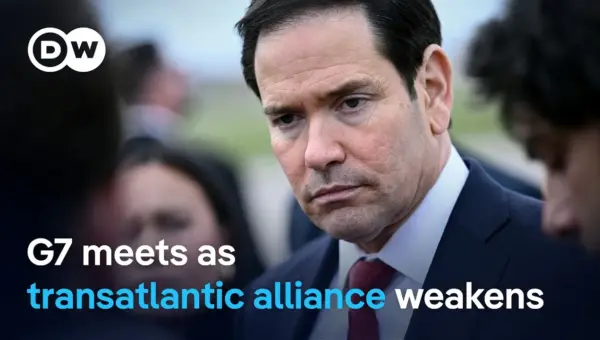
G7 Allies Clash Over Iran War Strategy, Urge Focus on Russia
G7 foreign ministers met in Paris, revealing deep divisions over the U.S. war with Iran. European allies urged the U.S. to pressure Russia, linking its actions to the conflict and fearing support for Ukraine will wane.

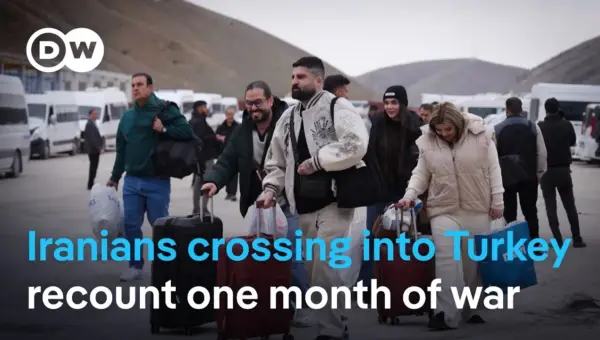
Iran War Exodus: Refugees Flee to Turkey Amidst Bombings
A train from Tehran brings refugees to Turkey, fleeing daily bombings and economic collapse. Many express deep fear for loved ones left behind, while some hold onto national pride and hope for victory. The conflict's impact is also felt economically in Turkey, with rising gas prices.


CPAC Divided: Trump’s Iran War Splits Conservative Base
The annual CPAC gathering in Texas revealed deep divisions within President Trump's base over the U.S. war in Iran. While some supporters trust Trump's strategy, others, particularly younger conservatives, worry about the conflict's impact on the "America First" agenda. The conference also saw a notable absence of President Trump and other high-profile figures, contributing to a different energy compared to previous years.