Senators Challenge Unchecked War Powers
Democratic senators are challenging the president's unchecked power to wage war, highlighting concerns over executive overreach. They aim to reassert Congress's constitutional role in decisions about military action, emphasizing the importance of veteran voices in this critical debate.

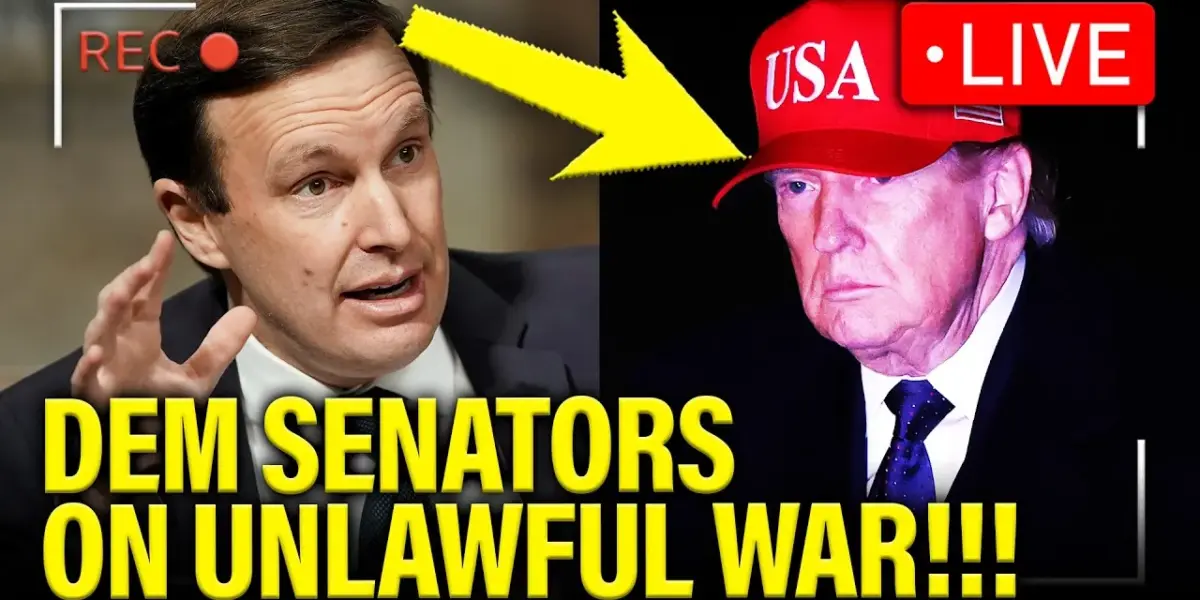
Senators Challenge Unchecked War Powers
Several Democratic senators recently gathered with veterans and military families to discuss a critical issue: the president’s power to wage war. Senators Tim Kaine, Cory Booker, Chris Murphy, Adam Schiff, Tammy Baldwin, and Tammy Duckworth joined VoteVets, an organization for veterans, to voice their concerns. The conversation focused on past decisions made by the Trump administration regarding Iran and the senators’ efforts to use Congress’s war powers to check presidential authority.
At the heart of their discussion was the War Powers Resolution of 1973. This law was created after the Vietnam War to ensure Congress has a say in committing U.S. troops to combat. It requires presidents to notify Congress within 48 hours of sending armed forces into hostilities. It also limits the duration of any such deployment to 60 days, unless Congress declares war or grants an extension. The senators argued that this vital check on executive power has often been ignored or bypassed.
Concerns Over Executive Overreach
The senators expressed worry that presidents have increasingly taken on the power to start wars without direct approval from Congress. This trend, they believe, undermines the Constitution, which clearly gives Congress the power to declare war. Senator Tim Kaine, a key figure in these efforts, has been a strong advocate for Congress to reclaim its constitutional role. He has consistently pushed for votes on war powers resolutions, aiming to force a debate and decision on military actions.
The discussion also touched upon specific instances where presidential actions were seen as overstepping. While the transcript doesn’t detail specific past events, the mention of the Trump administration’s actions concerning Iran suggests a focus on how recent presidents have used their authority to engage in military conflicts. This includes using existing authorizations for the use of military force (AUMFs) in ways that extend far beyond their original intent, or even acting without a clear congressional authorization.
Veterans’ Voices Matter
The choice to hold this conversation with veterans, service members, and military families was significant. These individuals and their families bear the direct consequences of decisions about war. Hearing their perspectives provides a human element to the often abstract debate about foreign policy and constitutional powers. Their experiences highlight the real costs of prolonged military engagement and the importance of a thorough, deliberative process before committing troops.
Organizations like VoteVets play a crucial role in bridging the gap between policymakers and the military community. They provide a platform for veterans to share their insights and advocate for policies that reflect their understanding of military service and its impact. By engaging directly with those who have served, senators can gain a deeper appreciation for the gravity of war powers decisions.
Why This Matters
The debate over war powers is fundamental to American democracy. It concerns the balance of power between the executive and legislative branches. When one branch, particularly the president, gains too much unchecked authority over military action, it can lead to prolonged conflicts, loss of life, and unintended consequences. Ensuring Congress actively participates in decisions about war is essential for maintaining accountability and preventing costly mistakes.
This issue affects more than just foreign policy. It impacts domestic resources, the lives of service members and their families, and America’s standing in the world. A more robust congressional role could lead to more careful consideration of military interventions, potentially reducing unnecessary conflicts and ensuring that any use of force is well-justified and supported by the representatives of the people.
Looking Ahead
The senators’ continued focus on war powers resolutions signals an ongoing effort to reassert congressional authority. As future administrations take office, the question of presidential versus congressional power in matters of war will undoubtedly remain a key point of contention. The push to revisit and strengthen the War Powers Resolution, or to pass new legislation that clarifies these boundaries, is likely to continue.
The involvement of veterans’ groups like VoteVets suggests a growing awareness among the military community and the public about the importance of this constitutional issue. As more people understand the implications of unchecked executive war-making, there may be increased pressure on Congress to act. The future may see renewed attempts to pass legislation that enforces the War Powers Resolution or creates new mechanisms for congressional oversight of military engagements.
Ultimately, the conversation highlights a desire to ensure that decisions about sending Americans into harm’s way are made with the fullest possible deliberation and democratic input. It is a call for a return to the constitutional principles that aim to prevent impulsive or ill-considered military actions, safeguarding both democratic ideals and national security.
Source: LIVE: DEM SENATORS ADDRESS UNLAWFUL WAR!! (YouTube)

Related Articles

House Funds DHS Short-Term, Senate Stalemate Looms
The House has passed a short-term bill to fund the Department of Homeland Security, but the Senate is expected to reject it. This temporary measure highlights ongoing political divisions and the challenges in reaching long-term budget agreements in the U.S. Congress.
Supreme Court Cases Threaten Rights, But Congress Holds a Fix
The Supreme Court's recent hearings on mail-in ballots and asylum suggest rulings that could restrict voting access and limit refugee claims. However, these decisions are based on statutes, giving Congress the power to enact fixes if Democrats regain power, potentially safeguarding these rights.

Protesters Challenge Presidential Power, Ignite Debate
Millions are protesting nationwide under the "No Kings" banner, challenging presidential authority and policies they deem unconstitutional. Organizers emphasize First Amendment rights while debating foreign policy, immigration, and the balance of power.