China Challenges Dollar Dominance Amidst US Military Doubt
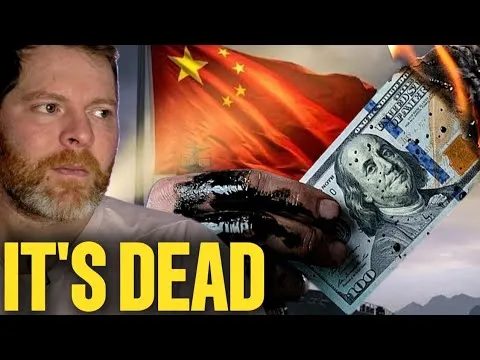
China is challenging the U.S. dollar's global dominance, offering stability amidst perceived U.S. conflict and economic uncertainty. A rise in U.S. military conscientious objectors reflects growing doubts about American foreign policy. This shift signals a potential reshaping of the world order.

China Challenges Dollar Dominance Amidst US Military Doubt
Recent events in the Middle East and shifting global financial trends suggest a significant change in the world’s economic power. While the United States has long held sway through the dollar’s status as the world’s main currency, this position is now being challenged. China is increasingly stepping in, offering stability and aid where the U.S. is seen as creating chaos. This shift is also impacting the U.S. military, with more service members questioning their involvement in foreign conflicts.
The Strait of Hormuz and Oil Flow
The Strait of Hormuz is a vital waterway for global oil transport. Recently, there have been reports of ships, including Iranian and Indian vessels, successfully passing through. The U.S. has not enforced a total blockade, which some argue would cause the global oil market to collapse. If the U.S. were to strictly enforce such a blockade, it would likely send oil prices soaring. This would hurt the U.S. economy by reducing purchasing power and quality of life for Americans. While the U.S. government may present a picture of control, the reality on the ground suggests a different story.
The Dollar’s Fading Reign
America’s financial strength has been tied to the U.S. dollar being the world’s reserve currency. However, this status is weakening. Actions by the current U.S. administration are seen by some as speeding up this decline. Reports indicate that some ships passing through the Strait of Hormuz are now paying for oil in Chinese yuan. Iran has reportedly set up a system that allows for payments in yuan, creating a challenge to the dollar’s dominance. This move could lead to a new financial order where the yuan plays a much larger role.
Consequences for the U.S. Economy
If the U.S. loses its status as the global reserve currency, the effects could be severe. It would mean fewer countries buying U.S. debt. As a country that relies heavily on debt, this could lead to hyperinflation. For Americans, already facing financial struggles, this could mean a collapse of the nation’s economic stability. Some argue that the U.S. is already seen as an enemy by the world, and its allies are waiting for it to step aside.
Allies Seek Stability, Not Conflict
Many of America’s allies, especially in Asia, depend on oil from the Middle East. The ongoing situation in the Strait of Hormuz and the potential for prolonged conflict directly harms them. These nations are already using their strategic oil reserves at a high rate, which cannot last forever. They need reliable access to oil, and a protracted conflict in the region threatens this. The world is looking for stability, and China is increasingly seen as a reliable partner.
A Rise in Conscientious Objectors
The current geopolitical climate is also affecting the U.S. military. There has been a significant increase, reported as a 1,000% spike, in individuals filing for conscientious objector status. This means they are formally requesting to be excused from military service due to moral or religious beliefs. Many service members are reportedly deeply troubled by the suffering they see in regions like Iran. Specifically, an incident at the Minab Girl School is cited as a breaking point for many.
Moral and Ethical Questions for Soldiers
Service members are questioning the morality of their involvement in conflicts, especially when partnered with forces whose conduct they find questionable. They are not just following orders; many are questioning the purpose and impact of U.S. foreign policy. The ease of access to information through media and recordings from conflict zones allows soldiers to see a more direct portrayal of U.S. actions. This transparency leads many to re-evaluate their commitment.
China Offers an Alternative Vision
China is presenting itself as a stable and reliable global actor. While the U.S. has been involved in conflicts and creating what some see as chaos, China has maintained a steady approach. Following incidents like the Minab school event, China has offered humanitarian aid and financial support to affected families. This builds social and diplomatic credit that the U.S. appears to have lost. Many smaller and rising nations are now choosing to form alliances with China, which focuses on building infrastructure and stability, rather than with nations that are seen as destroying infrastructure and burning bridges.
Historical Context and Future Scenarios
The current situation echoes past periods of great power competition, but with a new financial dimension. The shift from a unipolar world, dominated by the U.S., towards a multipolar one is evident. China’s rise as an economic and diplomatic force, coupled with a questioning of U.S. military actions and financial policies, marks a significant turning point. One future scenario sees the dollar’s role diminish further, with the yuan becoming a major global currency. Another involves increased instability for the U.S. economy if it cannot adapt to these changing global dynamics. The increasing number of conscientious objectors within the U.S. military also suggests a growing disconnect between public sentiment and government foreign policy.
Global Impact: Reshaping the World Order
The events described signal a potential reshaping of the global order. The U.S. has historically projected stability as a superpower. However, in recent times, its foreign policy has been characterized by hard power and interventionism. This has created an opening for China to offer an alternative model based on soft power, economic development, and non-interference. The world is watching as nations weigh the benefits of aligning with a superpower that builds versus one that, in their view, destroys. This transition could lead to a more diversified international financial system and a rebalancing of global influence away from the United States.
Source: The Dollar is Dead: Why the US Military is Refusing to Fight (YouTube)

Related Articles
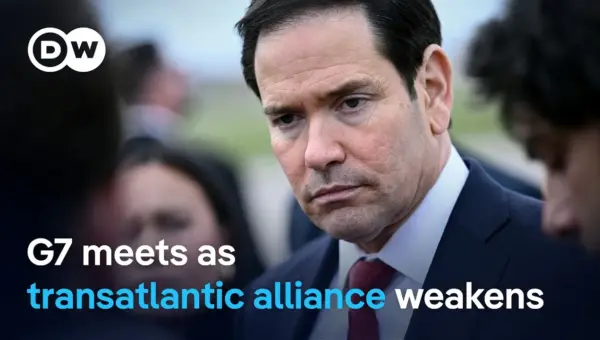
G7 Allies Clash Over Iran War Strategy, Urge Focus on Russia
G7 foreign ministers met in Paris, revealing deep divisions over the U.S. war with Iran. European allies urged the U.S. to pressure Russia, linking its actions to the conflict and fearing support for Ukraine will wane.


US Must Block China’s Tech Access for Security
US national security experts are raising alarms about China's access to advanced AI chips, arguing it threatens strategic advantages. This, coupled with charges against Chinese entities for fentanyl precursor sales and a ban on foreign routers, signals a growing effort to prioritize security over business ties.

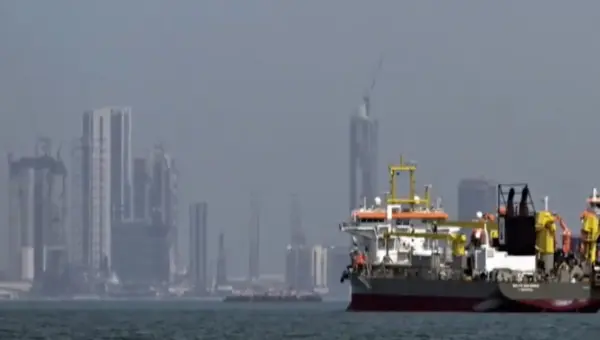
Iran Blocks China Ships, Exposing Beijing’s Weak Grip
Iran's recent decision to block Chinese ships at the Strait of Hormuz is exposing the limits of Beijing's influence in the Middle East. This action is causing delays and cancellations for Chinese manufacturers, turning a perceived geopolitical win into an economic strain.