Senator Paul Questions Nominee’s Judgment Over Attack Remarks
Senator Rand Paul is challenging a nominee's fitness for a key Homeland Security role, citing past remarks about an attack on Paul and a perceived lack of remorse. Paul detailed his severe injuries and questioned the nominee's judgment and suitability to lead, especially concerning the use of force and historical views on violence. The confirmation process is moving quickly despite these significant concerns.

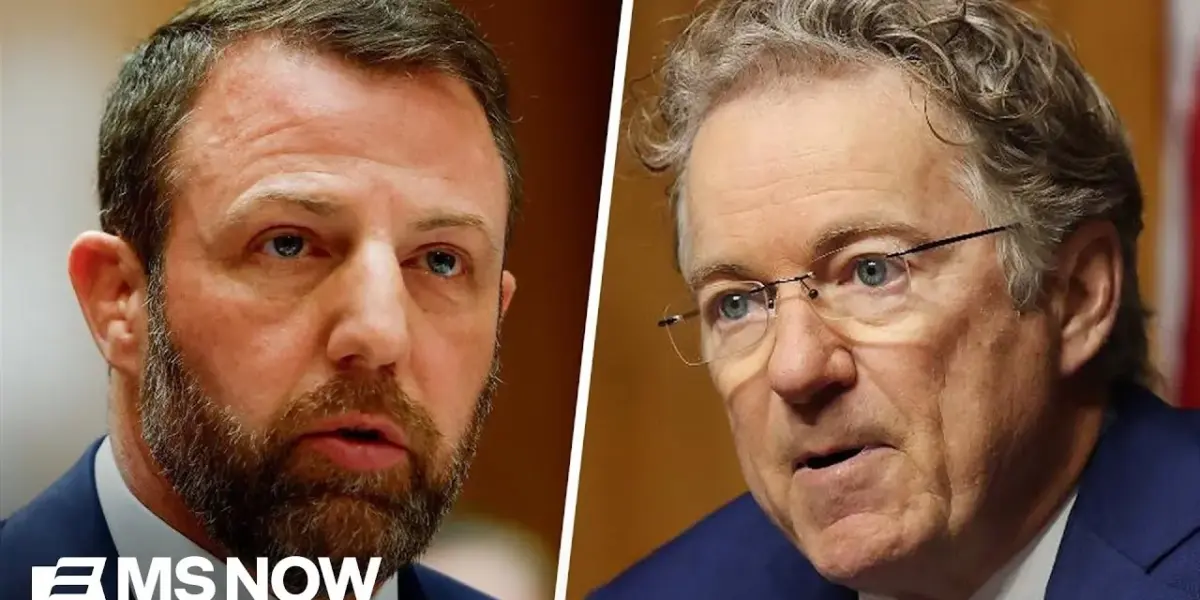
Senator Rand Paul Raises Concerns Over Nominee’s Past Statements
Senator Rand Paul has voiced strong reservations regarding the nomination of a candidate for a key position within the Department of Homeland Security, citing concerns about the nominee’s past remarks and perceived “anger issues.” The nominee, whose name is not explicitly stated but is referred to as “the nominee” and Senator Mullin in the context of the hearing, faced scrutiny from Senator Paul over comments made following an attack on Paul himself. This confrontation occurred during the confirmation hearing process, a critical step for any candidate seeking a high-level government role.
Nominee’s Remarks Spark Controversy
The core of Senator Paul’s objection stems from statements made by the nominee, which Paul believes show a disturbing lack of remorse and an inappropriate historical perspective on violence. According to Senator Paul, the nominee has told reporters that he does not regret comments made about the attack on Paul, even suggesting there is historical precedent for violence like dueling. Paul countered this by explaining that dueling was illegal centuries ago and that civilized society has long condemned settling political disputes with violence. He argued that this perspective is unsuitable for a leader who would oversee Border Patrol agents and manage national security matters.
“The fact that he can’t bring himself to say that really we shouldn’t settle political questions with violence, I think that would be a terrible example for ICE and for our Border Patrol agents.”
Personal Impact of Attack Detailed
Senator Paul shared the profound personal suffering he endured after the attack, emphasizing the severity of his injuries. He described lying in bed unable to move, requiring assistance to get up. Paul detailed how three ribs were broken, a lung was damaged requiring partial removal, and he coughed up blood for a year. He expressed disappointment that even after knowing these details would be raised, the nominee had not offered an apology. This personal testimony underscores why Paul finds the nominee’s casual references to historical violence and his lack of regret so troubling.
Questions About Judgment and Leadership
Senator Paul questioned how a nominee who appears to condone or minimize violence, and who allegedly celebrated the attack on Paul, could effectively lead crucial agencies like Immigration and Customs Enforcement (ICE) or Customs and Border Protection (CBP). He highlighted the current national climate, which faces a crisis requiring strong leadership and clear direction. Paul suggested that a leader who cannot express regret for past actions or condemn violence sets a poor example for agents and the public, particularly when questions about the proper use of force and potential overreach by law enforcement are already prominent.
Concerns Over Classified Information and Process
Beyond the remarks about violence, Senator Paul also raised questions about the nominee’s involvement in classified matters and the transparency surrounding them. He expressed skepticism about the government’s tendency to classify too much information, limiting public and even congressional awareness. Paul recalled instances where notification of important actions, like military actions or controversial interrogation techniques such as waterboarding, involved only a handful of people, many of whom had no memory of being informed. He believes this level of secrecy is insufficient and can breed public distrust, especially when a nominee speaks of secret missions without providing details.
Confirmation Process Moves Swiftly
Despite Senator Paul’s significant objections, the confirmation process for this nominee is proceeding rapidly. Senator Paul noted that this nomination is one of the fastest for the Department of Homeland Security. He also addressed why Senator Britt’s introduction for Senator Mullin was not accommodated, explaining that the deadline for such introductions had passed several days prior, and his office had been more conciliatory than others might have been regarding the hearing’s schedule. This rapid pace suggests a strong push for confirmation, even with lingering doubts from some senators.
Looking Ahead
The Senate will continue to deliberate on the nomination, with Senator Paul’s concerns about judgment, respect for law, and transparency likely to remain central to the debate. Whether these objections will sway enough votes for confirmation or lead to further delays remains to be seen. The nominee’s ability to address these criticisms and assure senators of his fitness for a leadership role in national security will be critical in the coming days.
Source: Sen. Paul challenges Sen. Mullin on 'anger issues' during confirmation hearing (YouTube)

Related Articles


Trump’s Iran War Plans Criticized Amid Border Funding Standoff
Lawmakers and analysts are criticizing the Trump administration's handling of the Iran conflict and its approach to border funding, arguing that a lack of clear planning and a focus on political battles are making the U.S. less safe. Concerns are particularly high regarding the FBI's priorities and the potential impact of these issues on national security.


House Republicans Block Border Funds, Sparking Funding Crisis
House Republicans have rejected a Senate bill to fund the Department of Homeland Security, citing concerns over immigration policy. They propose a clean funding extension, while blaming Democrats for using the bill to push a "radical agenda." The move prolongs a government funding dispute and impacts federal workers.

House Republicans Push Clean Funding Bill to End DHS Shutdown
House Republicans are proposing a "clean" funding bill to keep the Department of Homeland Security operational, aiming to end a shutdown that has impacted federal workers. The bill seeks to extend current funding levels until May 22nd, bypassing contentious immigration policy debates. Republicans accuse Senate Democrats of using the process to push a "radical agenda" that would effectively defund border security.