Asia Balks at Trump’s Hormuz Mission, Risks Trade
Asian nations Japan and South Korea are hesitant to join a U.S.-led mission to reopen the Strait of Hormuz due to constitutional limits, domestic opposition, and trade concerns. China, with its ties to Iran, is unlikely to participate, instead calling for restraint. The decisions highlight the delicate balance these countries must strike between security alliances and economic interests.

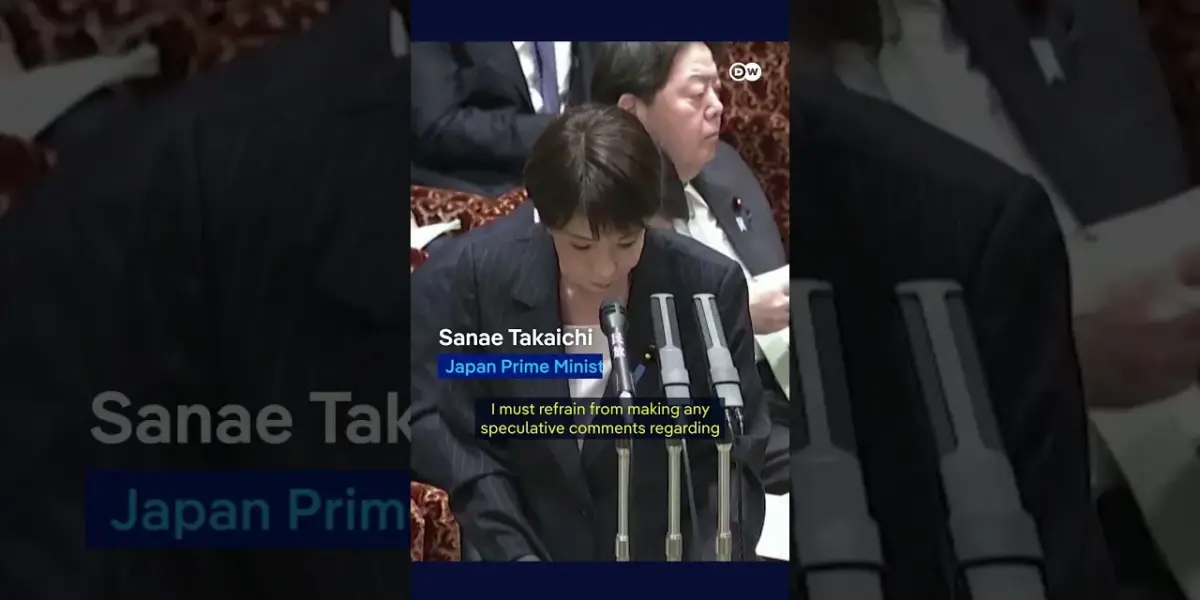
Asia Hesitates on Trump’s Hormuz Request
Asian nations, including Japan and South Korea, are grappling with a difficult decision regarding President Donald Trump’s call for them to send ships to reopen the Strait of Hormuz. This vital waterway has seen disruptions, impacting the flow of oil from the Middle East, a critical resource for these major manufacturing economies. The United States has also surprisingly asked rival China to participate in this effort, creating a complex geopolitical puzzle.
Japan’s Difficult Position
Japan, which imports as much as 90% of its oil from the Middle East, finds itself in a precarious situation. A significant portion of this oil supply is currently blocked by the issues in the Strait of Hormuz. To cope, Tokyo has been releasing oil from its emergency reserves. Prime Minister Shinzo Abe is caught between a rock and a hard place. Japan’s constitution, which is focused on peace, makes deploying military forces into active conflict zones extremely challenging. However, Abe has made strengthening ties with the United States a top priority since taking office six months ago. He is scheduled for his first visit to the White House soon and does not want to risk angering President Trump.
South Korea’s Reluctance
In South Korea, the situation in the Persian Gulf is not popular, and Trump’s request for assistance has led to protests in the capital, Seoul. Like Japan, South Korea heavily relies on oil imports from the Middle East. Therefore, reopening the Strait of Hormuz is crucial for its energy security. However, South Korean leaders are cautious about Washington’s demands. Lingering trade disputes and threats of tariffs from the U.S. add to their concerns. Both nations are long-standing defense treaty allies with the U.S. and depend on its security protection, which could potentially draw them closer to fulfilling the request. Yet, these alliances are currently strained. Reports suggest the U.S. is moving weapon systems out of East Asia to support operations in the Middle East, raising questions about American commitment to the region’s security.
China’s Independent Stance
China presents a unique case. Beijing maintains close ties with Iran, and some Chinese ships are reportedly navigating the Strait of Hormuz without encountering interference. Consequently, China is unlikely to join a mission led by the United States. Instead, China is advocating for calm and de-escalation. The Chinese leadership views this situation as an opportunity to project an image of itself as a stable and responsible global player, while the U.S. is seen as creating the problem. As the state newspaper Global Times suggested, “Someone set the fire. Now they’re asking the world to help put it out and to split the blame.” This highlights China’s strategy of positioning itself as a responsible actor in contrast to perceived American actions.
Broader Implications for Global Trade
The Strait of Hormuz is a critical chokepoint for global oil supplies, handling about 30% of the world’s seaborne crude oil. Any disruption here has significant ripple effects on international energy markets and the global economy. For manufacturing powerhouses like Japan and South Korea, the reliable flow of oil is essential for their industries. Their hesitation to join a U.S.-led military operation reflects a broader trend of nations seeking to balance their security interests with their economic ties and foreign policy independence. The situation underscores the complexities of international security cooperation, especially when led by a unilateralist approach from a superpower like the United States.
Looking Ahead
As tensions in the Strait of Hormuz continue, the decisions made by Japan, South Korea, and China will be closely watched. Their responses will not only shape regional security dynamics but also influence global energy markets and international relations. The outcome could signal shifts in alliances and the evolving role of major Asian powers on the world stage.
Source: Why Asia may refuse Trump's call to help reopen the Strait of Hormuz | DW News (YouTube)

Related Articles

Trump Halts Iran Strikes Amid Stalled Diplomacy
President Trump announced a pause on planned strikes against Iran, citing productive talks, though Iran denies negotiations occurred. Reports also suggest a potential U.S. ground operation on Iran's Hark Island. The situation raises concerns about international support for Ukraine and potential shifts in U.S. foreign policy.


Polls Spell Doom: Republicans Face Voter Backlash
New polling data reveals a sharp decline in public confidence regarding the economic impact of Republican policies, particularly under Donald Trump. A significant majority now feel financially worse off, a trend that is especially pronounced among independent voters. This economic discontent poses a major challenge for the Republican party heading into future elections.
China Sends Old Jets Reborn as Drones Toward Taiwan
China has converted old J6 fighter jets into attack drones, deploying over 200 near Taiwan. These drones could overwhelm air defenses and present a costly challenge for Taiwan's interceptors. This move highlights evolving military tactics and regional tensions.