Private Credit Woes Threaten Buy Now, Pay Later Access
A credit crunch in private markets is threatening the availability of 'buy now, pay later' services. Coupled with rising oil prices due to geopolitical tensions, this could significantly squeeze consumer spending and potentially impact the broader economy.

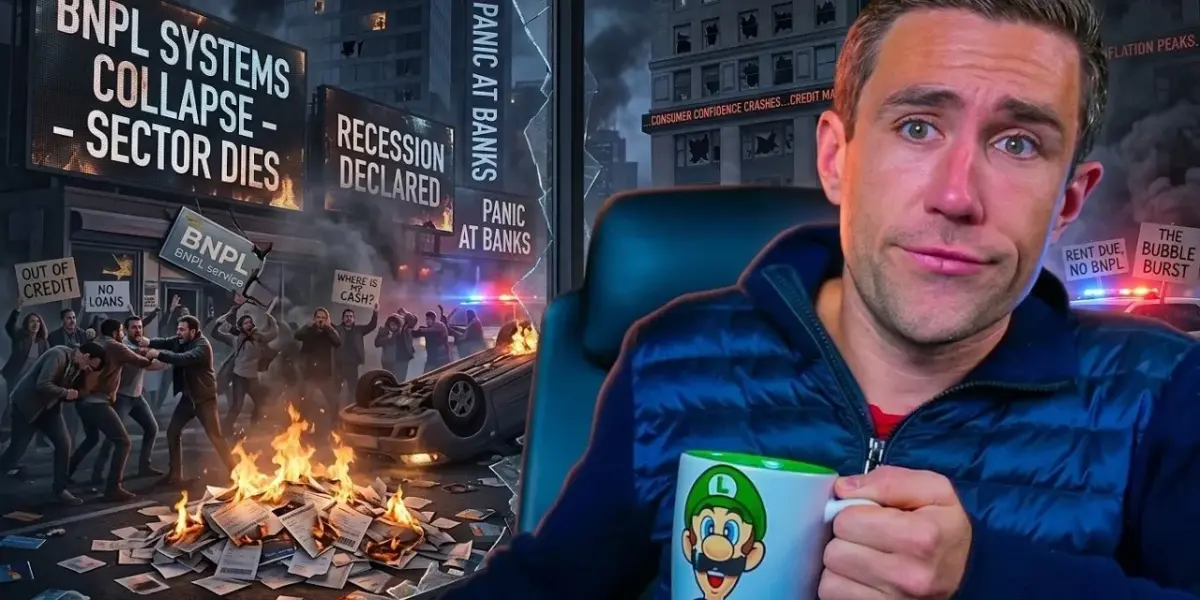
Private Credit Crunch Sparks Fears for Consumer Spending
A significant downturn in the private credit market is now casting a shadow over the future of “buy now, pay later” (BNPL) services, potentially squeezing consumers already facing rising costs. This developing situation combines geopolitical tensions in the Middle East with a growing investor flight from private credit funds, creating a complex challenge for the economy.
Investor Exodus Hits Private Credit Funds
Private credit funds, which have been a major source of funding for many BNPL lenders, are experiencing intense pressure. For instance, Stone Ridge Asset Management, with about $31 billion in assets, recently informed clients that it could only honor 11% of their requests to withdraw money. This high volume of withdrawal requests, known as redemptions, suggests that investors are pulling their money out of these funds at an alarming rate.
This trend is not isolated. JPMorgan recently pulled back from a $5.3 billion deal to finance a software company, indicating a broader reluctance to finance private deals. The debt for that company, Qualtrix, is now trading at a 14% discount, showing that investors are hesitant to buy it. This suggests that debt sales for private credit are becoming more difficult.
BNPL Lenders Face Funding Shortfalls
Companies like Affirm and Klarna, which are major players in the buy now, pay later market, rely heavily on private credit for their lending operations. Affirm’s stock has fallen roughly 50% year-to-date, while Klarna is down about 75.5% since its initial public offering. These significant drops reflect investor concerns about their business models.
If private credit funds face ongoing redemption requests, they may have less capital available to lend to BNPL firms. This could lead to a reduction in the availability of buy now, pay later options for consumers. Historically, Affirm has announced substantial loan deals with private credit firms, including a $4 billion deal with one firm and a $3 billion credit line with another. A pullback in this funding could significantly impact their ability to offer services.
Geopolitical Tensions Add to Consumer Woes
Adding to these financial concerns, a UBS report highlights the potential impact of the conflict in Iran on consumers. If the Strait of Hormuz remains closed, oil prices could surge. UBS warns that oil could reach $120 per barrel and potentially climb to $150 per barrel by the end of April. Goldman Sachs has identified $150 per barrel as a level that could trigger a recession.
High oil prices directly impact consumers through higher gasoline costs. This inflation can reduce consumers’ purchasing power, especially as real incomes, adjusted for inflation, have been flat. Recent data also shows a decline in consumer savings over the last couple of years. This combination of rising expenses and dwindling savings puts consumers in a vulnerable position.
Broader Economic Concerns and Historical Parallels
The confluence of these factors raises concerns about broader economic stability. The banking sector is also showing signs of strain, with the Invesco KBW Bank ETF down about 15-16% since February due to fears of exposure to private credit. This suggests a potential contagion effect spreading through the financial system.
Historically, major oil price shocks have often led to recessions in the U.S. economy. While the economy did not enter a recession following the Russia-Ukraine conflict despite high inflation, the current situation involves different dynamics. UBS notes that the S&P 500 is currently valued about 50% higher on a forward price-to-earnings basis than it was during previous oil shocks, suggesting it might be more vulnerable to a downturn.
What Investors Should Know
The current financial environment presents a dual threat to consumers: reduced access to credit through buy now, pay later services and increased living costs due to potential oil price spikes. This could lead to a significant slowdown in consumer spending, which is a major driver of economic growth.
For investors, the situation highlights increased risks in sectors heavily reliant on consumer spending and those exposed to private credit markets. The potential for a recession, driven by both inflation and tighter credit conditions, suggests a cautious approach may be warranted. While UBS expects oil prices to fall back to $80 per barrel by year-end if the Strait of Hormuz reopens, the immediate risk to consumer finances and the broader market remains elevated.
Source: Buy Now, Pay Later may DIE | Consumer is F**K'd (YouTube)

Related Articles

Iran Missile Strikes Injure US Troops, Raise War Concerns
Iranian missile strikes have injured U.S. service members, escalating tensions as the conflict nears one month. The attacks are raising concerns about the effectiveness of U.S. military strategy and the depletion of crucial missile stockpiles. Global oil prices have surged, impacting economies worldwide.


Strait of Hormuz Blockade: Insurance Costs Soar, Ships Stuck
The Strait of Hormuz remains largely blocked despite Iran's claims of openness, with soaring insurance costs acting as a major deterrent for ships. Skyrocketing premiums, from less than 1% to potentially 7.5% of a vessel's value, make transit financially unviable for many. This situation impacts global oil prices and the broader economy, highlighting the complex interplay of geopolitical tensions, insurance markets, and international trade.


Iran Tensions Send Oil Prices Soaring; Farmers Seek Relief
Escalating tensions with Iran are driving oil prices higher, while U.S. troop deployments to the Middle East increase. Meanwhile, American farmers are receiving relief from rising costs through regulatory changes and support measures, as devastating wildfires impact Nebraska's cattle industry.