Iran Conflict Escalates: US Bombs Sites, Official Resigns
The United States has struck Iranian missile sites along the Strait of Hormuz, escalating tensions following Iran's retaliatory missile attacks on Tel Aviv. The conflict, fueled by a U.S. goal of Iranian regime change, has led to the resignation of Joe Kent from the National Counterterrorism Center. Questions remain about the war's endgame and post-conflict stability.


US Strikes Iranian Missile Sites Amid Heightened Tensions
The United States has launched a significant military operation, using powerful deep penetrator bombs to strike Iranian missile sites. These attacks targeted areas along the Strait of Hormuz, a critical waterway for global oil trade. The strikes come amidst a rapidly escalating conflict that has already claimed lives and led to a high-profile resignation within the U.S. administration.
Iran Retaliates, Vows Revenge for Security Chief’s Death
Iran has responded forcefully to recent events, with state media reporting missile attacks on Tel Aviv. The regime claims these actions are in direct retaliation for the killing of Ali Larajani, Iran’s security chief. Larajani was seen walking the streets just days before his death, making his elimination a significant blow to the Iranian government.
Regime Change Remains Key U.S. and Israeli Goal
Despite the ongoing conflict, Iranian-American journalist Suzanne Kianpour emphasized that the ultimate goal for the Trump White House and its allies, including Israeli Prime Minister Netanyahu, remains regime change in Iran. “They don’t want there to be remnants of this regime remaining,” Kianpour stated. The targeting and killing of figures like Larajani, who oversaw the suppression of early January protests, aligns with this objective, even if it provokes retaliation.
Resignation Rocks U.S. Counterterrorism Center
The conflict has already caused a major shake-up within the U.S. government. Joe Kent, the director of the U.S. National Counterterrorism Center, resigned from his post. Kent stated that Iran posed no imminent threat, a position that has drawn sharp criticism from some political circles. This resignation is being called a “wartime defection” and is the first of its kind within the Trump administration, highlighting deep divisions over the current military actions.
Attacks and Defenses of Kent’s Stance
Democrats have been quick to defend Kent, anticipating that he would be attacked by “neocons.” Indeed, Kent is facing scrutiny, with his wife’s ties to publications considered friendly to the Iranian regime being highlighted. However, Kianpour noted that while senators are disputing Kent’s claim of no imminent threat, he had previously testified to Congress about the dangers posed by Iran. This suggests a complex information environment with significant “spin” that needs careful analysis.
Media Growing Impatient with Prolonged Conflict
Kianpour also observed a shift in media sentiment, comparing the current situation to the lead-up to the Iraq War in 2003. “The media has gotten a bit tired of this war already,” she noted, as the conflict enters its third week. The press appears eager for President Trump to conclude the military operations, raising questions about the public and media’s patience for a protracted engagement.
Uncertainty Surrounds the Endgame and Reconstruction Efforts
A central question remains unanswered: what is the endgame for this conflict? Kianpour highlighted the lack of clarity regarding how the war will end and what the post-conflict scenario will look like. The willingness of the United States to participate in rebuilding efforts and ensure stability afterward is also unknown. President Trump’s comments have been somewhat contradictory, suggesting a concern for postwar reconstruction while also conducting extensive bombing campaigns.
Hints of Post-War Planning Emerge
Despite the overall ambiguity, there are subtle indications that the administration is considering the postwar phase. Trump has spoken about exercising restraint in bombing campaigns due to the years it would take to rebuild. Furthermore, the formation of a coalition led by Crown Prince Reza Pahlavi, including dissident Shohreh Aghdashloo, suggests potential U.S. support for opposition figures and a vision for a future Iran.
Trump’s Decision-Making Style Under Scrutiny
The extent to which Israeli Prime Minister Netanyahu influenced President Trump’s decision to initiate the war in Iran is also a point of discussion. While some reports suggest strong encouragement from Netanyahu, Kianpour believes Trump makes decisions based on intuition. She pointed to Trump’s frequent use of the word “feeling” when discussing his choices, suggesting that while Netanyahu may have tried to persuade him, Trump’s ultimate decision likely hinged on his own gut feeling and assessment of the situation.
Looking Ahead: The Path to De-escalation
As the conflict continues, the international community watches closely for signs of de-escalation or further escalation. The U.S. aims to cripple Iran’s military capabilities, while Iran seeks to retaliate and assert its regional power. The coming weeks will be crucial in determining whether diplomatic channels can be reopened or if the region will be drawn further into a costly and devastating war, with the ultimate fate of the Iranian regime hanging in the balance.
Source: Security Chief Killing Highlights Trump’s Iran Regime Change Goal | Suzanne Kianpour (YouTube)

Related Articles
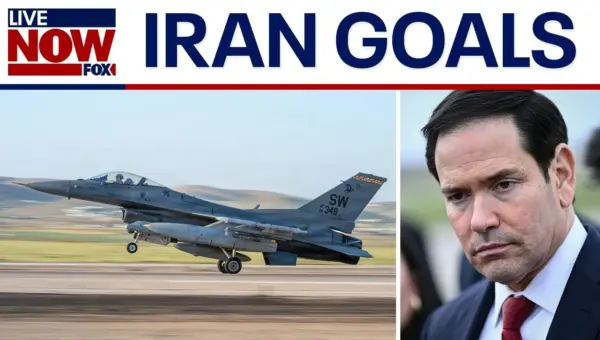
Rubio: US Can Achieve Iran War Goals Without Troops
Senator Marco Rubio outlined a strategy to counter Iran without deploying U.S. ground troops, focusing on weakening the regime and enhancing maritime security. He also criticized Cuba's economic system and expressed concerns about West Bank violence.


Israel Escalates Iran Strikes, Warns of Wider War
Israel has launched significant strikes inside Iran following continued missile fire, warning of further escalation. The conflict risks wider regional instability and economic disruption, especially concerning the Strait of Hormuz.
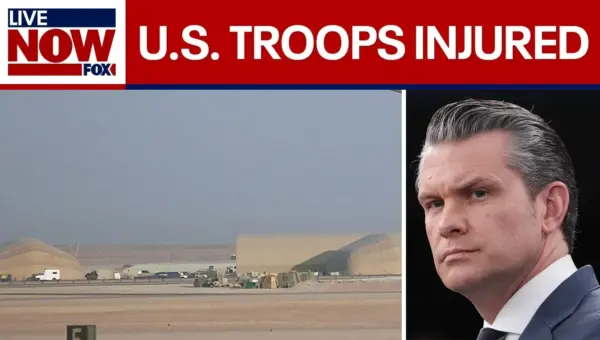
US Troops Wounded in Saudi Base Attack by Iran
An Iranian missile attack on Prince Sultan Air Base in Saudi Arabia wounded multiple U.S. service members and damaged aircraft. The incident highlights the ongoing risks in the Middle East and the limitations of air defense systems. Analysts discuss the strategic implications, economic pressures, and the isolation of Iran amidst the conflict.