Colts Owe Jones After Playing Through Injury?
A heated debate is underway regarding the Indianapolis Colts' handling of Daniel Jones's injuries last season. The discussion questions whether the team owes their quarterback compensation after he played through a broken leg, an injury that some believe led to his Achilles tear.

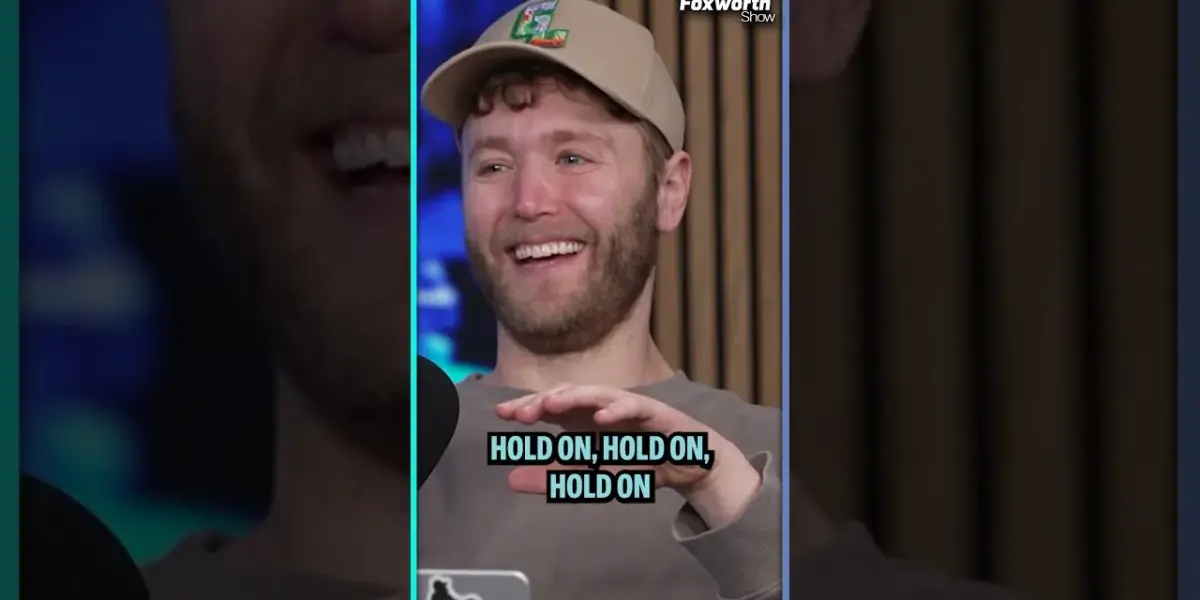
Colts Face Tough Questions Over Daniel Jones’ Injury Woes
Did the Indianapolis Colts make a mistake by pushing Daniel Jones to play through injuries last season? A heated debate is erupting, questioning if the team owes their quarterback something more after he suffered a devastating Achilles tear. The controversy stems from Jones playing on a broken leg, an injury some believe directly led to his season-ending Achilles tear.
Playing Through the Pain
The discussion centers on Jones’s commitment to playing despite a broken leg. Reports suggest he even used a 3D-printed brace, created with help from a college friend’s company, to stay on the field. This level of dedication, while admirable, raises a crucial point: when a player risks further injury by playing through significant pain, does the organization have a responsibility to compensate them or show more loyalty?
“If a player is going to play through an injury like that and it leads to a worse injury, I do believe he’s owed something for the organization,” one argument states. “If you expect him to come back if you expect him to play in those situations paying a player like that.”
The Counterargument: Team Window at Risk
However, not everyone agrees. A strong counterpoint emphasizes the impact on the entire team. Pushing an injured quarterback, especially one with a history of injuries, could jeopardize the team’s chances of winning and potentially harm their championship aspirations. The concern is that prioritizing one player’s situation might come at the expense of the team’s overall success.
This perspective highlights the difficult decisions coaches and general managers face. Do you rest a star player to protect him and the team’s future, or do you ask him to play through pain for immediate success? The argument against owing Jones more focuses on the fact that his injuries have significantly impacted the team’s flexibility and future plans. The team is now dealing with a quarterback recovering from multiple serious injuries, including a torn Achilles, a broken leg, a torn ACL, and a neck issue that affected his deep passing ability.
A Risky Decision
The core of the debate lies in the team’s decision-making process last year. Instead of resting Jones to allow him to fully recover, the team seemingly encouraged him to play. This choice, according to proponents of the idea that the team owes Jones, means the organization should also bear some responsibility for the consequences.
“At some point last year, they decided rather than rest him and maybe hope maybe hopefully bring him back the following year or when his broken leg is healthy, we are going to go all-in and we are going to ask and encourage him to go out there,” the argument is made. “They made that decision and I think the repercussions for making that decision is like look, we are also going we believe in you. We trust you. We understand the risk that we’re taking. we are not going to ask you to take this risk.”
The Ethical Dilemma
The situation presents a clear ethical dilemma. On one hand, players are expected to be tough and play through injuries. On the other hand, organizations have a duty of care towards their employees, especially when their decisions might lead to career-altering harm. The sentiment expressed is that it seems unreasonable to ask a player to compete with a broken leg, only to dismiss him afterward when a more severe injury occurs.
“The side that to me feels unreasonable is to have a man on a broken leg and send him out there to play and then and then and then reasonable too,” one speaker emphasizes. “And then when he tears his Achilles afterwards say, ‘Ah, beat it. We ain’t got nothing for you.’ Like that to me seems much worse.” This viewpoint suggests that abandoning a player after they’ve made sacrifices for the team is a far worse outcome than any financial or contractual obligation the team might have.
Looking Ahead
As the Colts look to the future, the health and availability of Daniel Jones remain significant question marks. This debate highlights the complex relationship between players, injuries, and team loyalty. Whether the Colts believe they owe Jones more or not, his ability to return to form will be crucial for the team’s success in the upcoming seasons.
Source: Do the Colts owe Daniel Jones something for playing while hurt? (YouTube)

Related Articles


Tom Brady Considers NFL Return, Lawmakers Fund Homeland Security
Congress has approved funding for the Department of Homeland Security, offering relief to travelers facing airport chaos, while NFL legend Tom Brady is reportedly considering a return to football, potentially clashing with NFL ownership rules. Meanwhile, mixed signals persist regarding negotiations with Iran, as U.S. and Israeli forces continue strikes in the region amidst ongoing geopolitical tensions.
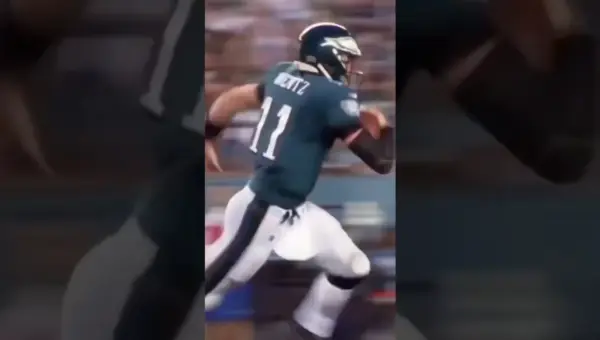
Wentz’s Rollercoaster NFL Career: Talent Meets Trouble
Carson Wentz's NFL career was a rollercoaster of talent and trouble. After a promising start and a Super Bowl season where he was injured, Wentz struggled with consistency and reported attitude issues. His career saw him move from team to team, often ending with costly mistakes and a backup role.
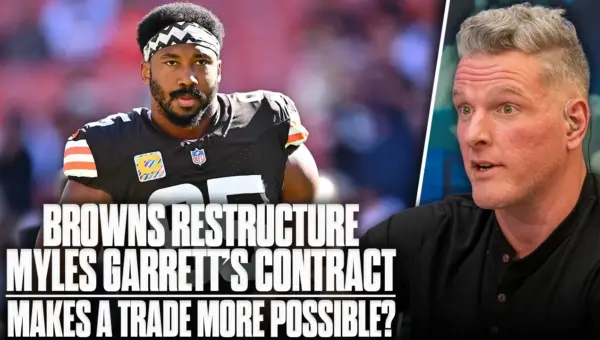
Browns Restructure Garrett’s Deal: Trade Rumors Ignite!
Speculation is running wild after the Cleveland Browns restructured Myles Garrett's contract. While the team insists they are not trading their star defensive end, the financial maneuver has sparked intense debate across the NFL.