Iran War Escalates, Gulf States Seek New Security Partners
The conflict involving Iran is escalating, with recent strikes on its energy infrastructure heightening tensions. Gulf States, initially favoring de-escalation, are now facing increased attacks and questioning US reliability, leading them to seek new security partners beyond traditional alliances. Analysts warn the war is unlikely to end soon, impacting global energy markets.

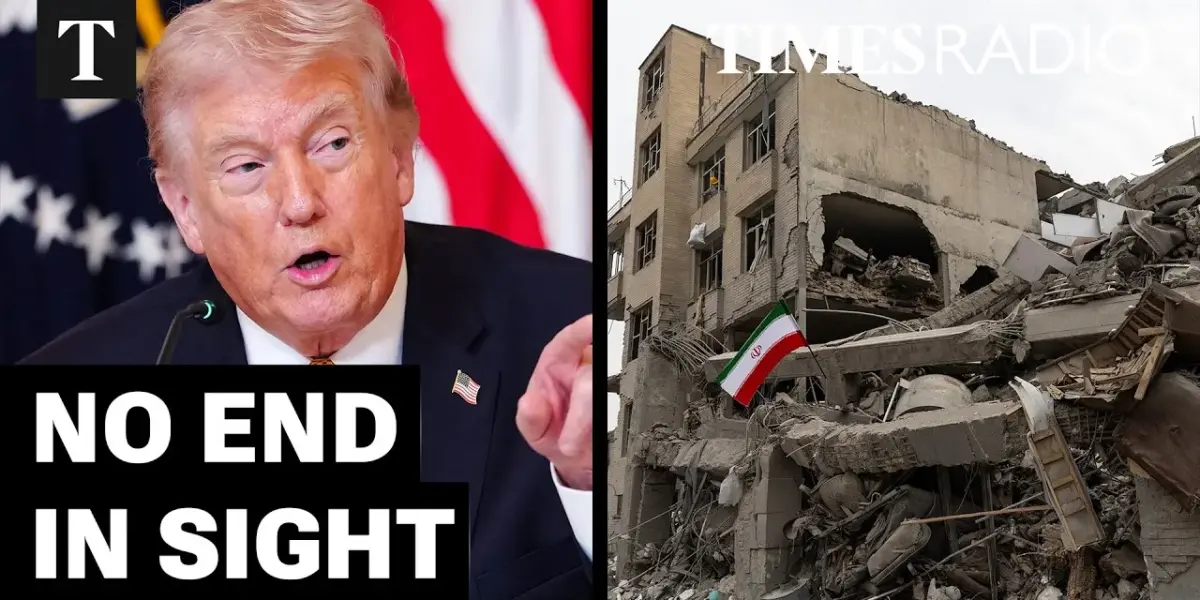
Iran War Intensifies Amidst Economic Strikes
The conflict involving Iran shows no signs of ending soon, with recent strikes on a major liquefied natural gas plant in Iran escalating tensions. This development follows Iran’s earlier targeting of energy facilities and civilian infrastructure in Gulf States, including the UAE and Oman. The attacks, described as premeditated by the Islamic Revolutionary Guard, have deeply angered regional actors.
“Everybody, if you’ve got a car that runs on petrol or gas, you should fill up as quickly as possible because I don’t think this is ending anytime soon,” warned Brian Catalis, a senior fellow at the Middle East Institute. He highlighted that even if former President Donald Trump sought to end the conflict, the Gulf States’ reactions complicate such efforts.
Gulf States’ Shifting Stance on Conflict
Initially, many Gulf States were reportedly not in favor of military action against Iran. Their primary fear was chaos, civil war, and a potential refugee crisis stemming from a destabilized Iran, a country with over 95 million people. Contrary to some reports, these nations were not eager for a military confrontation.
Instead, they adopted defensive measures and sought de-escalation. However, the sustained attacks have led to a more complex situation. While they don’t necessarily desire regime change in Iran due to fears of greater instability, they are seeking more reliability in the region.
Saudi Arabia and UAE Targeted
The United Arab Emirates was initially targeted due to its geographical proximity, making it an easier target. More recently, the focus has shifted significantly towards Saudi Arabia, the region’s largest economy and a G20 member. Iran’s strategy appears to involve imposing maximum economic costs on regional actors and the global economy.
“Saudi Arabia is the largest economy in the region. It’s a member of the G20. A key part of the Iranian regime’s strategy… is to actually impose as much economic cost on regional actors as well as the rest of the world,” explained Catalis. Despite these pressures, Gulf states have shown restraint and avoided direct offensive operations.
US Credibility and Shifting Alliances
The ongoing conflict has also raised questions about America’s role and credibility in the Middle East. Some Gulf officials feel that their initial preference for avoiding the conflict was not fully considered, leaving them to deal with the consequences. This situation is seen as part of a longer trend of declining US credibility in the region, a trend that predates the current administration.
“This is part of a long-term trajectory of the US seeing its credibility decline,” Catalis stated. “It didn’t start with Donald Trump. It actually started way back with George W. Bush when he did not listen to Gulf Arab partners on the Iraq war.”
Gulf States Seek New Security Frameworks
In response to these developments, Gulf nations are looking to diversify their security partnerships. They are realizing they cannot solely rely on the United States for their defense. Conversations with Gulf officials reveal a desire for more active involvement from countries like China and European nations.
“They are going to seek more active involvement from countries like China, from European countries, and not be so heavily and wholly dependent on the US security umbrella,” Catalis noted. They are also investing in their own capacities to ensure security, especially for vital economic routes like the Strait of Hormuz. An increase in arms spending after the conflict is also anticipated.
Looking Ahead: Diversification and Regional Stability
The current conflict appears to be accelerating a pre-existing trend of Gulf states hedging their bets. While the US remains a preferred strategic military partner, these nations are subtly building ties with other global powers, including China, Europe, and India. The focus will likely shift towards rebuilding and ensuring greater regional stability and economic security in the aftermath of the conflict.
Source: Iran War Won't Be Over 'Anytime Soon' – Whether Or Not Trump Chooses To End It (YouTube)

Related Articles

G7 Allies Clash Over Iran War Strategy, Urge Focus on Russia
G7 foreign ministers met in Paris, revealing deep divisions over the U.S. war with Iran. European allies urged the U.S. to pressure Russia, linking its actions to the conflict and fearing support for Ukraine will wane.

Iran Blocks China Ships, Exposing Beijing’s Weak Grip
Iran's recent decision to block Chinese ships at the Strait of Hormuz is exposing the limits of Beijing's influence in the Middle East. This action is causing delays and cancellations for Chinese manufacturers, turning a perceived geopolitical win into an economic strain.
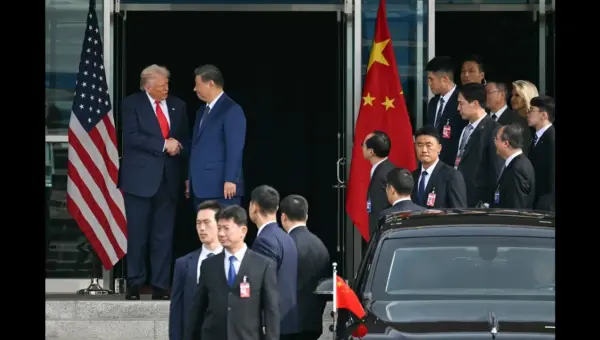
Trump’s “Walk Away” Tactic Signals Tougher Stance on China
Retired Air Force Brigadier General David Stillwell believes President Trump's strategy of being willing to walk away from negotiations puts pressure on China. This tactic, combined with US global actions and strengthened alliances, signals a more assertive American foreign policy.