Asia’s Hormuz Dilemma: US Calls for Ships Amidst Tensions
The U.S. is asking Japan and South Korea to send ships to the Strait of Hormuz amid rising tensions. Both nations face economic pressure from oil supply disruptions but also constitutional and political hurdles. China, meanwhile, is taking a different approach, advocating for restraint.

Asia’s Hormuz Dilemma: US Calls for Ships Amidst Tensions
The United States is urging key Asian allies, including Japan and South Korea, to contribute naval forces to ensure the free flow of oil through the Strait of Hormuz. This critical waterway has become a flashpoint following recent disruptions, prompting President Donald Trump to seek international cooperation. The request places these nations in a difficult position, balancing their economic needs with complex geopolitical realities and domestic concerns.
Japan’s Tightrope Walk
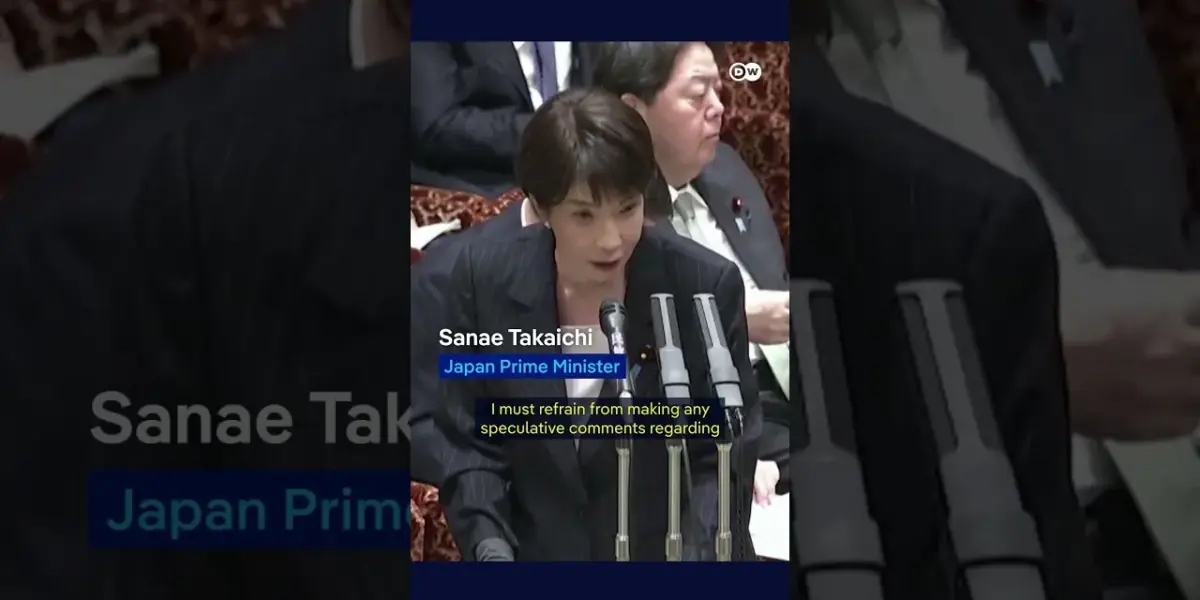
Japan, heavily reliant on Middle Eastern oil, imports as much as 90% of its supply, with much of it passing through the Strait of Hormuz. The current crisis has forced Tokyo to tap into emergency oil reserves. Prime Minister Shinzo Abe finds himself in a challenging spot. His government is carefully considering President Trump’s call for action, especially with an upcoming visit to the White House looming. However, Japan’s post-war constitution makes deploying military forces into active conflict zones extremely difficult. Abe’s administration has prioritized strong ties with the U.S. since taking office, but navigating this request without alienating domestic audiences or violating constitutional principles is a delicate balancing act.
South Korea’s Unease
In South Korea, the situation in the Middle East is unpopular, and President Trump’s request for naval support has sparked protests in the capital, Seoul. Like Japan, South Korea depends significantly on oil imports from the Middle East, making the reopening of the Strait of Hormuz crucial for its economy. Seoul leaders are wary of Washington’s demands, particularly as trade disputes and tariff threats with the U.S. persist. Both South Korea and Japan are long-standing defense treaty allies with the United States and depend on its security umbrella. These existing ties might pull them closer to fulfilling the U.S. request. However, these alliances are currently under strain as President Trump appears to be shifting focus to the Middle East and has reportedly repositioned some weapon systems away from East Asia to support operations there.
China’s Strategic Stance
China, another major economic power, has close ties with Iran and reportedly has some of its own ships navigating the Strait of Hormuz without interference. Consequently, Beijing is unlikely to join a U.S.-led mission. Instead, China is advocating for restraint and presenting itself as a responsible global actor. The state newspaper, Global Times, criticized the U.S. approach, stating, “Someone set the fire. Now they’re asking the world to help put it out.” This stance allows China to contrast its approach with that of the United States, positioning itself as a stable and reliable player on the international stage while perceived U.S. actions are seen as disruptive.
Broader Implications and North Korea’s Concern
The situation in the Strait of Hormuz has wider implications, potentially drawing Asian nations into a conflict far from their shores. The U.S. strategy of asking allies to contribute naval assets highlights a desire to share the burden of maintaining global security. For North Korea, the increased focus on the Middle East and the potential redeployment of U.S. military assets from East Asia could be a cause for concern. Any perceived reduction in U.S. military presence or attention in its immediate region might embolden Pyongyang. The delicate balance of power in East Asia could be affected by these shifts, making North Korea’s calculations about its own security and strategic options more complex.
Looking Ahead
The coming weeks will be critical in determining how Japan and South Korea respond to the U.S. request. Their decisions will not only impact their bilateral relationships with Washington but also their regional security postures and economic stability. Meanwhile, China’s continued emphasis on diplomacy and restraint will likely shape its role in managing international crises. The lingering tensions in the Strait of Hormuz and the broader geopolitical realignments in Asia warrant close observation as nations navigate these challenging times.
Source: Why North Korea may be worried about the attack on Iran | DW News (YouTube)

Related Articles
Iran Blocks China Ships, Exposing Beijing’s Weak Grip
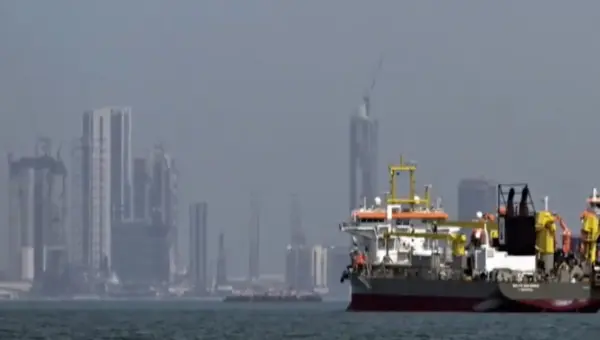
Iran's recent decision to block Chinese ships at the Strait of Hormuz is exposing the limits of Beijing's influence in the Middle East. This action is causing delays and cancellations for Chinese manufacturers, turning a perceived geopolitical win into an economic strain.
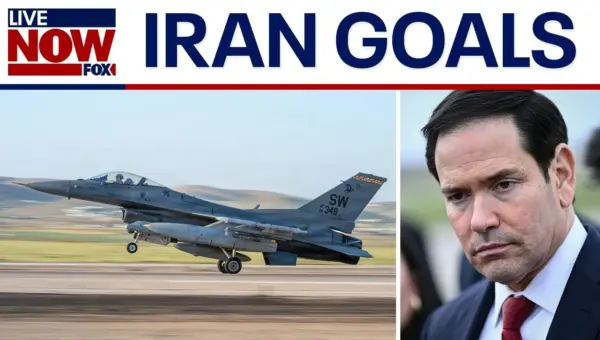
Rubio: US Can Achieve Iran War Goals Without Troops
Senator Marco Rubio outlined a strategy to counter Iran without deploying U.S. ground troops, focusing on weakening the regime and enhancing maritime security. He also criticized Cuba's economic system and expressed concerns about West Bank violence.


Israel Escalates Iran Strikes, Warns of Wider War
Israel has launched significant strikes inside Iran following continued missile fire, warning of further escalation. The conflict risks wider regional instability and economic disruption, especially concerning the Strait of Hormuz.