Middle East War Jolts Oil Prices Past $100
Escalating Middle East conflict pushes oil prices above $100 per barrel, threatening global energy supplies and economic stability. Rising costs impact everything from transportation to food, potentially forcing higher interest rates and slowing growth.


Middle East Conflict Sparks Oil Surge, Threatens Global Economy
Escalating conflict in the Middle East is sending shockwaves through global energy markets. Iran has launched a series of missile and drone attacks targeting key oil and gas producers like Saudi Arabia and the United Arab Emirates. For the first time, a major gas facility has been hit, forcing it to halt production. This marks a significant escalation, moving the conflict beyond regional borders to directly impact the global energy system.
Adding to the crisis, the Strait of Hormuz, a critical waterway for global oil transport, remains closed. This chokepoint normally handles about 20% of the world’s oil supplies. With ships being attacked and oil routes disrupted, energy costs are soaring. The price of oil has surged past $100 per barrel, a steep climb from roughly $60 at the beginning of the year.
Rippling Effects on Everyday Costs
The rise in oil prices doesn’t just affect fuel at the pump. It has a domino effect on nearly every sector of the economy. Transportation costs increase, making it more expensive to move goods. Food prices climb as farming and distribution become costlier. Manufacturing expenses rise, and electricity generation, often reliant on fossil fuels, becomes more expensive too.
Businesses are now facing a difficult choice. They can either absorb these higher costs, which eats into their profits, or they can pass the costs on to consumers by raising their prices. This second option directly fuels inflation, making everyday goods and services more expensive for everyone.
Central Banks Face Tough Decisions
The jump in inflation presents a major challenge for central banks around the world. These institutions, like the U.S. Federal Reserve, use interest rates to manage the economy. They often raise rates to cool down an overheating economy and fight inflation. Now, central banks may need to keep interest rates higher for longer than planned. In some cases, they might even have to consider raising rates further.
Higher interest rates make borrowing money more expensive for businesses and individuals. This can slow down spending and investment, further impacting economic growth. The current situation risks tipping the global economy into a deeper slowdown.
Market Disconnect and Political Fallout
Strangely, stock markets have shown resilience, with many indices continuing to rise. This suggests investors might be underestimating the severity of the ongoing crisis. They may be hoping the conflicts will resolve quickly or that the impact will be contained. However, if the situation worsens, markets could be misjudging the true risk.
The geopolitical tensions are also intensifying. Former President Donald Trump has publicly questioned NATO’s future relevance and asked allies for help securing the Strait of Hormuz. When some allies reportedly refused, he warned of serious consequences for the alliance. This suggests the situation is evolving beyond energy security into a broader political challenge that could strain international relations.
What Investors Should Know
The escalating conflict in the Middle East and its impact on oil prices represent a significant risk to the global economy. Investors should monitor the situation closely for several key reasons:
- Energy Security: The closure of the Strait of Hormuz and attacks on facilities directly threaten the supply of oil and gas. Disruptions can lead to sustained high energy prices.
- Inflationary Pressures: Higher energy costs feed into broader inflation, impacting consumer spending and corporate profits.
- Interest Rate Uncertainty: Persistent inflation may force central banks to maintain higher interest rates, potentially slowing economic growth and affecting stock market valuations.
- Geopolitical Instability: The political ramifications, including potential strains on alliances like NATO, add another layer of uncertainty for global markets.
While markets have shown some optimism, the fundamental economic and political challenges stemming from this conflict are substantial. Investors need to consider how prolonged instability could affect their portfolios and the broader economic outlook.
Source: Global Breakdown (YouTube)

Related Articles
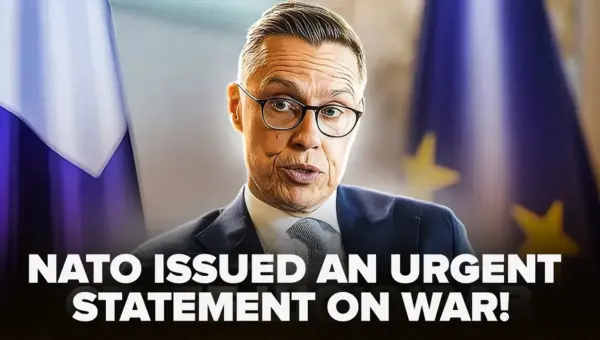
Ukraine Strikes Russian Oil Refinery, Eyes Iran Threat
Ukrainian forces struck a key Russian oil refinery, disrupting Moscow's war capabilities. Meanwhile, Finland's president urged continued U.S. support for Ukraine, as Kyiv shares its air defense expertise globally amid growing geopolitical complexities involving Iran and potential sanctions against Hungary.
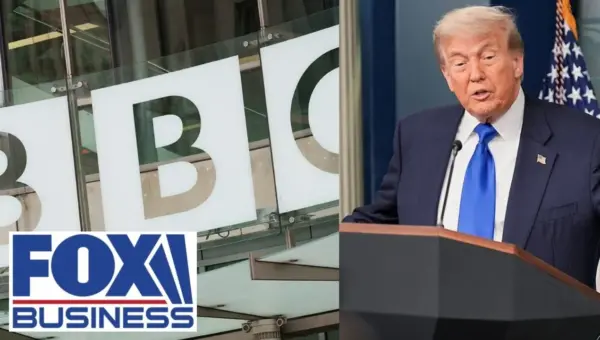
Iran’s Missile Threat Reduced by 90%, Analyst Says
An analyst reports that Operation Epic Fury has degraded Iran's missile launchers by 90%, despite challenges in targeting hidden sites. The conflict's duration and media coverage are also discussed, with implications for global energy markets and investor confidence.
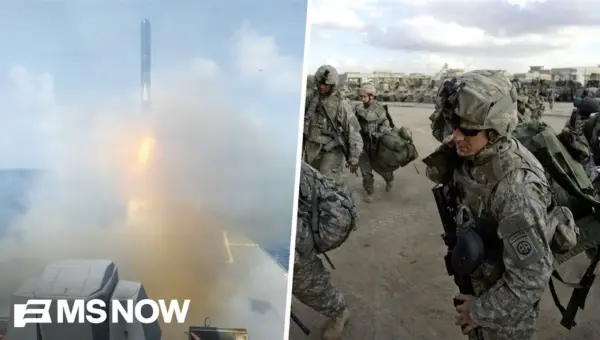
Iran Missile Strikes Injure US Troops, Raise War Concerns
Iranian missile strikes have injured U.S. service members, escalating tensions as the conflict nears one month. The attacks are raising concerns about the effectiveness of U.S. military strategy and the depletion of crucial missile stockpiles. Global oil prices have surged, impacting economies worldwide.