Trump’s Fury: War Coverage Sparks Fierce White House Attacks
Donald Trump's administration is fiercely attacking the Midas Touch Network for its coverage of the Iran war, calling them "dumb asses" for questioning justifications. The network highlights contradictions in White House statements and points to growing discontent within the MAGA base over economic issues and foreign policy.

Trump’s Fury: War Coverage Sparks Fierce White House Attacks
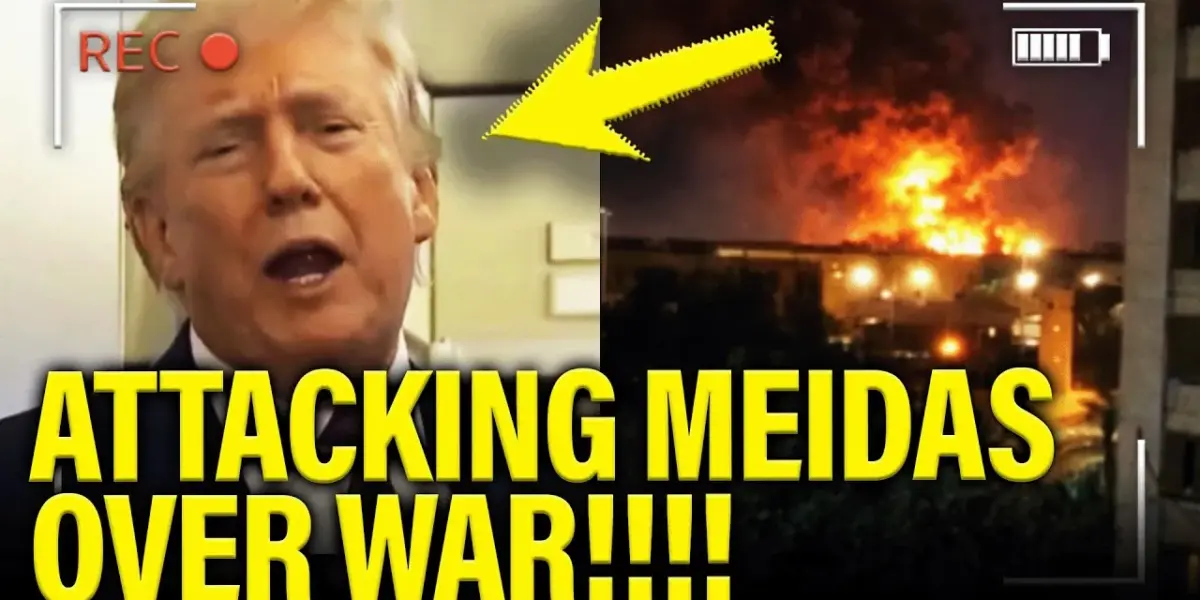
The Midas Touch Network, recently honored with the iHeart Award for Podcast of the Year in the news category, has found itself in the crosshairs of Donald Trump’s ire. Trump and his administration have launched a barrage of attacks, labeling the network’s coverage of a “disastrous war in Iran” as inaccurate and even resorting to personal insults.
This conflict erupted after Midas Touch questioned the administration’s justification for military action in Iran. The network highlighted a contradiction: while the White House claimed Iran posed an “imminent threat” to the United States, a social media post from Caroline Levit, described as Trump’s “chief propagandist,” previously stated, “To be clear, no such threat from Iran to our homeland exists and it never did.”
The White House’s official rapid response account retaliated by calling Midas Touch “dumb asses” for questioning the war’s premise, specifically mentioning a “drone offensive on our west coast.” This insult, directed at a news organization by the White House, is a notable event, as highlighted by the Midas Touch hosts.
A Resignation Fuels the Fire
Adding fuel to the fire was the resignation of Joe Kent, who had served as the Director of the National Counterterrorism Center. Kent objected to what he termed an “unlawful war in Iran,” calling it a “war of choice” and a “betrayal to the MAGA movement.” Despite his right-wing extremist views, which Midas Touch acknowledges and has criticized, Kent’s background includes 11 combat tours and he is a Gold Star husband. His dramatic resignation, communicated through channels like JD Vance, quickly went viral, garnering over 75 million views on X (formerly Twitter) within 24 hours.
In response to Kent’s resignation and the growing dissent, Caroline Levit defended the administration’s stance. She argued that Iran did pose an imminent threat and that the US was “dragged into this war by Netanyahu and Israel.” However, Midas Touch countered by resurfacing Levit’s own past statement where she criticized ABC News for reporting on potential Iranian threats to the West Coast, calling it “false information to intentionally alarm the American people” and asserting, “no such threat from Iran to our homeland exists and it never did.”
Contradictions and Accusations
The White House’s “dumb asses” retort further escalated the exchange, referencing a “nuclear threat of the psychotic, murderous Iranian regime.” Midas Touch responded by pointing to a White House press release dated June 25, 2025, which claimed that “Iran’s nuclear facilities have been obliterated” and that suggestions otherwise were “fake news.” This created a clear contradiction: if Iran’s nuclear program was destroyed, how could it still pose a real nuclear threat?
The Midas Touch Network also draws parallels between Trump’s current actions and past controversies. They recall instances where the Trump administration allegedly threatened journalists, including one of their hosts, with arrest for reporting on ICE raids. They also mention their reporting on military live ammunition tests over highways, which was initially met with criticism but later validated by a Defense Department report acknowledging a malfunction that rained shrapnel on a highway.
MAGA’s Discontent and Economic Woes
The transcript suggests that the “unlawful war” and alleged cover-ups, such as those related to the Epstein files, have alienated a significant portion of the MAGA base. Several clips are presented showing former Trump voters expressing deep disillusionment. One voter who had supported Trump three times called him a “worthless pile of…” and admitted, “Apparently, I’m an idiot.” Another long-time supporter declared, “MAGA is dead.”
Economic concerns are also highlighted as a major point of anger. Truckers report significant increases in daily fuel costs, and shoppers express shock at rising grocery prices. The transcript notes that consumers are struggling, with “everything is more expensive now and it sucks.” The administration’s economic advisor is quoted dismissively saying that while extended war might hurt consumers, “Nobody cares about consumers right now.”
The closure of the Strait of Hormuz is presented as a critical consequence, impacting not just oil but also vital supplies like helium, aluminum, food, and fertilizer. This disruption, the transcript argues, is already destroying supply chains and could lead to soaring food and natural gas prices, which in turn power essential services and industries like AI.
Why This Matters
This exchange underscores a fundamental tension in political discourse: the role of media in holding power accountable versus the government’s efforts to control the narrative. The Midas Touch Network’s strategy of “reporting on the facts relentlessly and fearlessly,” even when facing personal attacks, reflects a commitment to journalistic integrity. The administration’s aggressive response, including name-calling and accusations of “fake news,” suggests a discomfort with scrutiny, particularly when their justifications for war and their effectiveness are questioned.
The narrative also sheds light on the internal dynamics within political movements. The criticism from within the MAGA movement, exemplified by Joe Kent’s resignation, suggests that policy decisions, like the war in Iran, can create deep divisions. The economic fallout from such conflicts, impacting everyday citizens, further erodes support and highlights the real-world consequences of foreign policy choices.
Implications and Future Outlook
The Midas Touch Network’s success, evidenced by their iHeart award and substantial online viewership, indicates a growing audience seeking direct and unvarnished reporting. Their approach of “not both sidesing the issues” and calling out injustice with “moral clarity” resonates with those who feel traditional media outlets are too cautious or biased.
The administration’s continued attacks on critical media, coupled with the reported discontent among its base and the tangible economic hardships faced by the public, paint a complex picture. The future outlook suggests a continued battle for narrative control, with independent media outlets playing an increasingly significant role in challenging official accounts. The administration’s ability to regain trust may depend on its transparency and its ability to address the economic anxieties and foreign policy concerns voiced by its own supporters.
Historical Context
Historically, political leaders have often clashed with the press, especially during times of conflict or uncertainty. Accusations of “fake news” and attempts to discredit journalists are tactics that have been employed across different eras and administrations. However, the current digital age, with its rapid dissemination of information and direct-to-audience platforms like podcasts and social media, amplifies these confrontations. The Midas Touch Network’s experience is part of a broader trend where non-traditional media outlets are challenging established narratives and gaining significant traction, forcing established political figures to engage in more direct and often more combative ways.
Source: 🚨Trump LOSES IT and ATTACKS MEIDAS over WAR COVERAGE (YouTube)

Related Articles

Polls Spell Doom: Republicans Face Voter Backlash
New polling data reveals a sharp decline in public confidence regarding the economic impact of Republican policies, particularly under Donald Trump. A significant majority now feel financially worse off, a trend that is especially pronounced among independent voters. This economic discontent poses a major challenge for the Republican party heading into future elections.

Americans Rally for Democracy Amidst War and Economic Woes
Thousands of Americans are participating in "No Kings" rallies nationwide, demanding accountability from leaders and drawing parallels to historical movements that spurred significant change. The protests occur amidst a controversial war with Iran, economic uncertainty, and a partial government shutdown. Organizers emphasize solidarity, joy, and the power of collective action in defending democracy.
Trump Delays Iran Strike Deadline Amidst Shifting Diplomacy
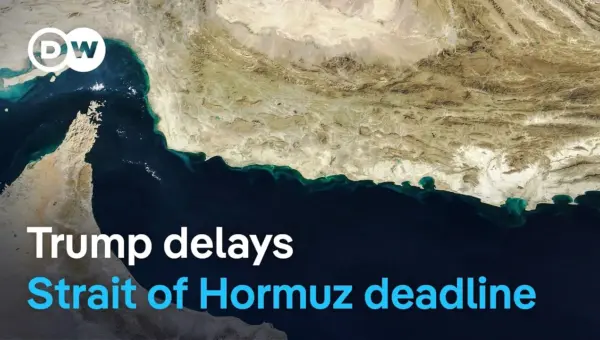
President Donald Trump has extended his deadline for potential strikes on Iranian energy plants to April 6th, amid reports of U.S.-Iran diplomatic talks mediated by Pakistan. This move comes as Israel continues its strikes on Iran and the U.S. deploys additional military assets to the region. Analysts point to mixed signals, economic pressures, and strategic miscalculations as key factors shaping the evolving situation.