Iran’s Cheap Drones Exploit U.S. Defenses: Analysis
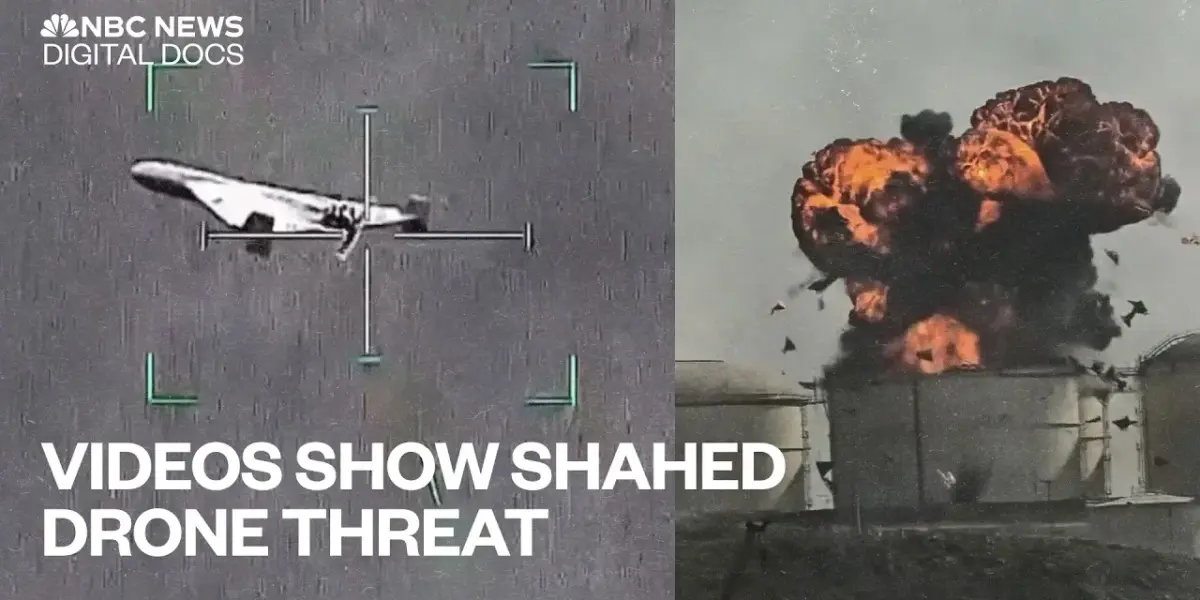
Iran's relatively inexpensive Shahed drones are proving effective against U.S. and allied defenses, hitting strategic targets like military bases and energy infrastructure. Analysis reveals a coherent strategy behind the attacks, often using short flights over water to evade detection. The high cost of intercepting these drones poses a significant challenge.

Iran’s Drone Strikes Challenge U.S. and Allies
In recent times, the distinct buzz of Iranian drones has become a common sound, even in places like Dubai. Cell phone footage captured one such drone flying low over a beach, pursued by an Emirati jet. While the immediate incident was resolved, these events highlight a growing concern: Iran’s growing drone capabilities are proving surprisingly effective against U.S. and allied defenses.
An NBC News analysis of over two dozen verified drone strikes shows that Iran’s Shahed-style drones are hitting a variety of strategic targets. These include U.S. military bases, airports, and vital energy infrastructure. The drones are cheap to produce, made in large numbers, and often used for one-way missions. This has become a significant factor following missile exchanges between Iran, the U.S., and Israel.
Strategic Logic Behind the Attacks
Defense policy expert Kelly Grico explained that while these attacks might seem chaotic, there is a clear strategy behind them. “When you look at the more closely at what they’re actually doing and you look at their target set, you can see that it’s actually remarkably coherent and it has a clear strategic and operational logic,” Grico stated.
A key element of this strategy is the location of the strikes. The majority of successful attacks confirmed by NBC News occur near coastlines. Iran is launching these Shahed drones on short flights over water. This tactic makes them much harder for defenses to detect early. “If you were even delayed in your ability to detect it, it reduces the number of options you have in terms of how you might intercept it,” Grico added.
Costly Defenses Against Cheap Drones
While many Iranian drones are shot down, and some are destroyed before launch, the methods used to stop them are often far more expensive. A single Shahed drone can be built for about $20,000. However, the weapons used to destroy them, such as the missile fired by an Emirati F-16 in the Dubai incident, can cost over $400,000.
This creates an economic imbalance. It’s a contest of attrition: Iran can afford to launch many cheap drones, while the U.S. and its allies may struggle to replace their expensive interceptor missiles and systems at the same rate. This financial pressure is a key part of Iran’s strategy.
Lessons Learned (Too Late?)
Shahed-style drones have been in use for years. Ukraine, for example, uses its own cheaper drones to counter incoming Russian Shaheds. However, the U.S. was slow to seek this expertise. It took a full week after the conflict began for the U.S. to ask Ukraine for help and advice.
During that time, Iran had already launched hundreds of drones. “We don’t have, you know, the cheaper options that we need to try to intercept these things. Particularly at scale,” Grico noted. “So we have been caught flat-footed in that way and in many respects it’s inexcusable given we’ve had 4 years to learn from Ukraine.” The current situation forces a race to develop and deploy lower-cost interceptor systems to effectively counter these drones on a large scale.
Iran’s Indirect Warfare Strategy
Iran’s use of drones is part of an indirect approach to warfare. They cannot militarily defeat adversaries like the U.S. directly. Instead, the goal is to cause disruption and raise the costs of conflict. “Part of the Iranian calculus then is going to be, have we driven the costs up enough to make sure that this doesn’t happen again?” Grico questioned.
By making military action exceedingly costly for its opponents, Iran aims to break their political will to continue fighting. This strategy focuses on wearing down an adversary’s resources and resolve rather than seeking a direct military victory. The ongoing drone campaign is designed to make continued conflict too expensive to sustain.
Looking Ahead
The focus now shifts to whether the U.S. and its allies can develop and deploy cost-effective defenses quickly enough. The ability to intercept Iranian drones at scale without depleting expensive arsenals will be critical. The effectiveness of these new, cheaper interceptor systems will determine the future trajectory of this drone-based conflict.
Source: Videos show Iran's drone army puncturing U.S. and allied defenses (YouTube)

Related Articles

Iran Strikes US Base: Are We Learning from Mistakes?
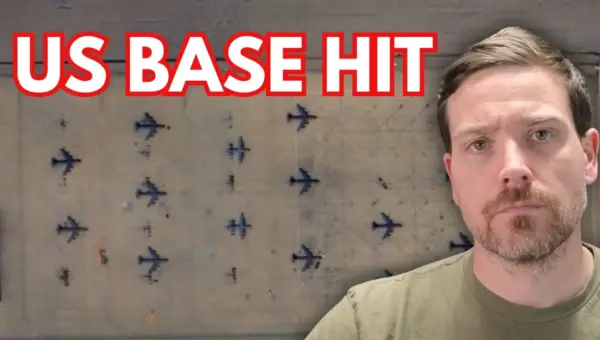
A recent Iranian drone and missile attack wounded American service members and damaged aircraft in Saudi Arabia. This incident highlights concerns about military preparedness and the failure to learn from past mistakes, as exposed aircraft remain vulnerable targets. The ongoing conflict involves complex regional dynamics, including Iran's missile capabilities and the potential involvement of groups like the Houthis, raising questions about future stability.


Ukraine Strikes Cripple Russian Oil Exports
Ukrainian drone strikes are crippling Russia's oil exports and damaging its economy, leading to falling domestic support for President Putin. The targeted attacks on refineries and terminals aim to cut off war funding and have significant geopolitical consequences.


Iran Conflict: US Made Costly Mistakes, Expert Warns
War game expert Finley Grimble argues the US made significant strategic errors in its approach to Iran, underestimating its retaliation capabilities and the difficulty of controlling the Strait of Hormuz. He suggests declaring victory and withdrawing is the best path forward, rather than getting bogged down in a costly conflict.