Global Conflict Escalates: Iran Tensions Threaten World Stability
Escalating tensions in the Gulf involving Iran are creating global instability, impacting economies and international relations worldwide. Experts warn that the current conflict's ripple effects are felt across continents, from rising food prices in Africa to disruptions in the tech industry. The strategy employed is being questioned, with historical parallels suggesting caution against relying solely on military force.

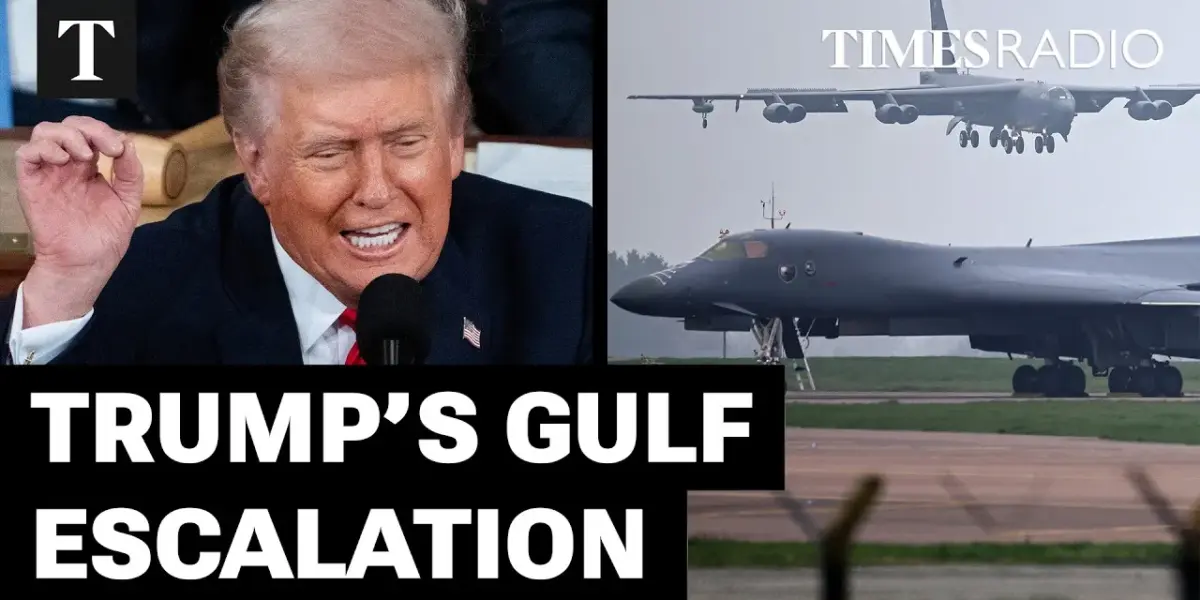
Global Tensions Rise as Iran Conflict Widens
The world is increasingly interconnected, and recent escalations in the Gulf involving Iran have far-reaching consequences, impacting economies and international relations across the globe. What began as a dispute over Iran’s nuclear program has widened into a broader conflict, drawing in major world powers and threatening global stability.
A Ripple Effect Across Continents
The current conflict demonstrates how deeply intertwined global systems have become. An action taken in one region can trigger a cascade of effects elsewhere. For example, the United States’ involvement, influenced by Israel’s stance on Iran, can lead to retaliatory actions against Gulf states. This, in turn, disrupts oil supplies, which then harms the Chinese economy. This economic strain can inadvertently benefit Russia in its conflict with Ukraine, causing further problems for Europe and straining its relationship with the United States.
Economic Impacts Felt Worldwide
Professor Peter Frankan, a global history expert from Oxford University, highlighted the severe implications for developing nations. He noted that rising fertilizer prices, up 40% in just two weeks, are hitting hard at the start of the growing season in many parts of Africa. Beyond agriculture, the disruption of key resources from the Gulf, such as aluminum and helium, directly impacts the production of microprocessing chips. These chips are vital for technology manufactured in places like South Korea and Taiwan, showing how a regional conflict can disrupt global supply chains.
Questions Over Strategy and Objectives
Critics suggest that the current approach lacks a clear objective, leading to a cycle of escalation. Professor Frankan described the strategy as potentially impulsive, with decisions made reactively rather than based on a long-term plan. He pointed out that President Trump’s administration has a small group of advisors, including figures like Steve Wickoff and Jared Kushner, who are responsible for complex negotiations. This limited advisory circle raises concerns about the depth of deliberation behind crucial foreign policy decisions.
History Offers Cautionary Tales
The current situation prompts comparisons to past conflicts where military might did not guarantee success. While the U.S. military is a formidable force, history shows that military action alone does not always lead to lasting resolutions. Professor Frankan cited examples like Vietnam, Afghanistan, and Iraq, where despite significant military efforts, the desired political outcomes were not achieved. He stressed the importance of learning from history and cautioned against relying solely on force to achieve foreign policy goals. The targeting of Iranian infrastructure and leadership, while logistically impressive, also raises concerns about civilian casualties and the long-term effectiveness of such tactics.
The Challenge of Reshaping Nations
Professor Frankan argued that imposing change from the outside is extremely difficult. He stated that true political change must come from within a country, with its people shaping their own future and constitution. Attempting to dictate political structures from thousands of miles away, he explained, is unlikely to succeed. He drew a parallel to the post-World War II rebuilding of West Germany, where a pragmatic approach was taken to work with existing leadership structures after removing the top figures. In contrast, the current approach in Iran seems to target the entire leadership, potentially creating a vacuum that could be filled by unpredictable forces.
A Shifting Global Order and NATO’s Future
The ongoing tensions also raise questions about the future of international alliances like NATO. President Trump has been critical of NATO, viewing international relations in transactional terms. His approach often involves threats to encourage compliance, which requires allies to be more determined and strategic. The narrative that European nations do not contribute enough to their own defense and rely too heavily on the U.S. is powerful, even if it overlooks significant contributions like intelligence sharing through the Five Eyes alliance. Professor Frankan noted that this narrative has gained momentum, making it challenging for European nations to effectively communicate their value as partners to the U.S.
Looking Ahead
As the situation in the Gulf continues to develop, the world watches closely. The long-term consequences of the current escalations remain uncertain. Key questions include whether diplomatic channels can be reopened, how global economies will weather the disruptions, and what the lasting impact will be on international alliances and the broader geopolitical landscape. The challenge for all nations will be to navigate these complex dynamics with careful consideration of historical lessons and a focus on sustainable peace.
Source: ‘We Are All Involved’: Trump’s Escalation In The Gulf Threatens Global Stability (YouTube)

Related Articles


Mexico Navigates US-China Rivalry
Mexico is caught in a geopolitical tug-of-war between the United States and China. The nation must carefully balance its economic needs and strategic interests with both superpowers. This situation highlights Mexico's growing importance in global affairs.
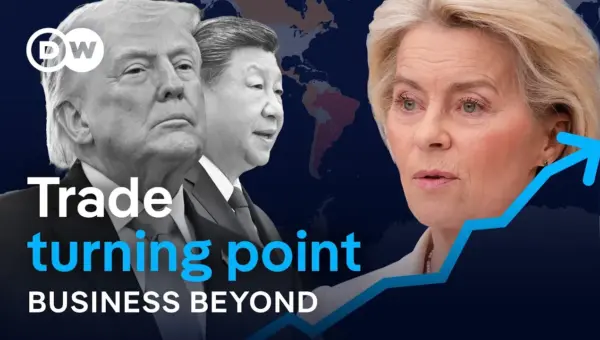
Europe Strikes New Trade Deals, Eyes Global Influence
The European Union is actively forging new trade alliances, notably with South American nations like Brazil, to reduce reliance on China and the US. Driven by the need for critical resources like rare earth metals and the desire to boost its own industries, Europe is making strategic concessions and seeking new markets, despite facing internal criticism and a changing global economic landscape.

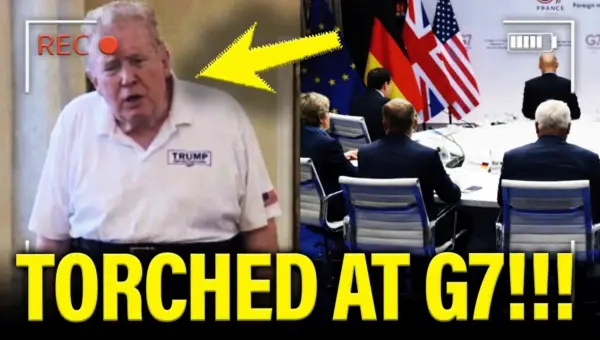
G7 Leaders Clash Over Trump’s Iran Policy Amidst Global Crisis
World leaders at a G7 meeting voiced sharp criticism of Donald Trump's Iran policy, citing concerns over the Strait of Hormuz and a looming global recession. Disagreements emerged regarding strategy and accusations of misinformation, highlighting deep divisions.