Iran Conflict Escalates; Counterterror Chief Resigns
Israel announced the killing of Iran's intelligence minister, while the U.S. struck Iranian missile sites. The conflict's escalation coincides with the resignation of the National Counterterrorism Center Director, who cited concerns about the war's justification. Lawmakers are discussing increased defense funding and the strategic coordination between the U.S. and Israel.

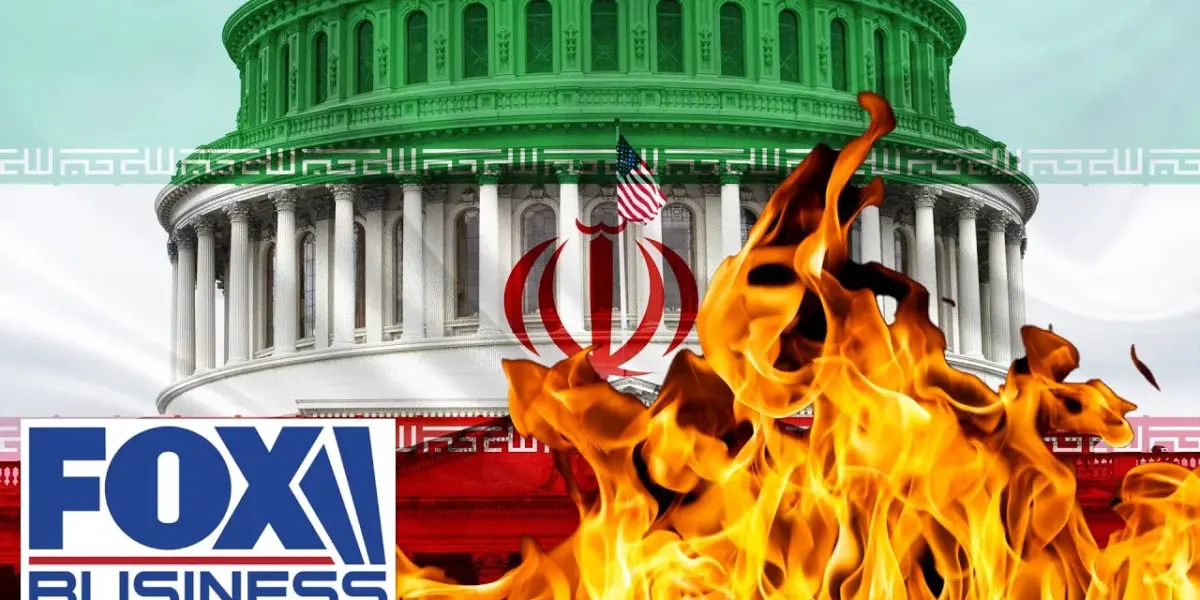
Middle East Tensions Flare Amid Strikes and Resignations
The Middle East is experiencing heightened tensions as Israel announced it has killed Iran’s intelligence minister in a targeted strike. This individual was reportedly responsible for managing Iran’s global terror operations, including sleeper cells. Meanwhile, the United States employed 5,000-pound bunker-buster bombs to destroy Iranian missile sites near the Strait of Hormuz, an action aimed at securing this critical shipping route. U.S. Central Command has signaled further strikes are possible, vowing to eliminate any threats to the U.S. and its allies.
A Department of War official confirmed that a supplemental defense funding request is expected, which will include money for multi-year missile production deals. Lawmakers have indicated this package could amount to over $50 million.
Coordinated Strategy Between U.S. and Israel
Rich Crawford, Chairman of the House Intelligence Committee, highlighted the strategic coordination between the U.S. and Israel in this conflict. He explained that the two nations are dividing responsibilities based on their strengths and geographic positions. Israel is focusing on striking key Iranian leadership, while the U.S. targets military sites. Crawford described this approach as a testament to the strong cooperation and relationship between the two countries.
Critical Role of Intelligence
Intelligence, particularly from the CIA, has been crucial in identifying specific targets and individuals. Crawford noted that intelligence has provided insights into Iran’s leadership and economic situation, which is relevant to the Strait of Hormuz. He praised the leadership for ensuring strikes are precisely targeted at military objectives with minimal civilian harm. This approach, he suggested, aims to help the Iranian people rebuild their nation and economy after the conflict.
Counterterrorism Leadership Shake-up
The conflict intensified with the resignation of Joe Kent, Director of the National Counterterrorism Center. Kent stated on social media that he could not support the ongoing war, asserting that Iran did not pose an imminent threat to the U.S. and that the war was initiated due to pressure from Israel and its American lobbyists.
Chairman Crawford acknowledged Kent as a patriot with extensive service, including 11 combat tours. However, Crawford disagreed with Kent’s assessment of the threat posed by Iran. He stressed the urgency of filling the vacancy at the National Counterterrorism Center, especially given the U.S. is in armed conflict with Iran, the world’s largest state sponsor of terror. This situation will be a key topic in upcoming worldwide threat assessments.
“We are in armed conflict with the largest state sponsor of terror, so that’s a void that’s got to be filled quickly.” – Chairman Rich Crawford
Rudy Giuliani publicly questioned Kent’s resignation, pointing to Kent’s previous testimony a year prior, where he stated that Iran and its terror proxies threatened U.S. service members. Crawford suggested that while people can change their minds, the immediate priority is filling the leadership void at the counterterrorism center.
Crawford also criticized Democrats for their reaction to Kent’s resignation, calling it politically motivated. He noted that the same officials who previously attacked Kent are now celebrating his departure, suggesting a focus on political attacks rather than national security.
Government Shutdown and National Security
The discussion also touched upon the ongoing government shutdown and its impact on national security agencies. Crawford urged lawmakers to pass appropriation bills to fund the Department of Homeland Security (DHS) without holding agencies hostage for political gain. He expressed hope that a major national security crisis would not be necessary to prompt action.
Debate Over FISA Surveillance
The conversation shifted to the Foreign Intelligence Surveillance Act (FISA). Crawford supports renewing FISA Section 702, which allows for the collection of foreign intelligence information. He believes it’s possible to maintain this national security tool while also protecting American civil liberties. Crawford mentioned that 56 reforms were implemented during the last authorization and that an additional 18 months are needed to fully implement them, making a clean re-authorization the current goal.
He also commented on the SAVE ACT, suggesting that while most Americans support it, Senate rules are hindering its progress. Crawford expressed frustration that the complexities of these rules are not fully understood, even by some senators.
Source: Resignation BOMBSHELL detonates inside counterterror leadership as war escalates (YouTube)

Related Articles


US Must Block China’s Tech Access for Security
US national security experts are raising alarms about China's access to advanced AI chips, arguing it threatens strategic advantages. This, coupled with charges against Chinese entities for fentanyl precursor sales and a ban on foreign routers, signals a growing effort to prioritize security over business ties.
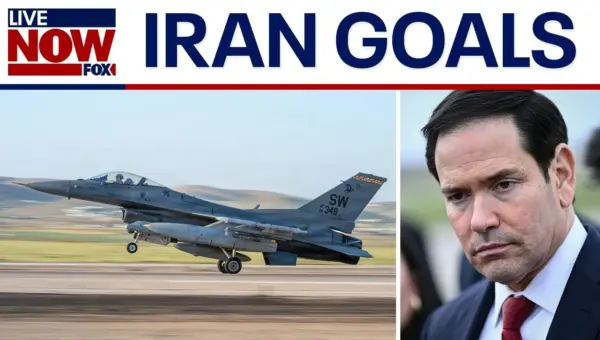
Rubio: US Can Achieve Iran War Goals Without Troops
Senator Marco Rubio outlined a strategy to counter Iran without deploying U.S. ground troops, focusing on weakening the regime and enhancing maritime security. He also criticized Cuba's economic system and expressed concerns about West Bank violence.


Tiger Woods Arrested for DUI After Crash
Golf legend Tiger Woods was arrested for DUI in Florida following a dramatic rollover crash. Meanwhile, a government shutdown continues as House Republicans block a Senate deal, leading to airport chaos and TSA worker pay issues. The stock market also plummeted into correction territory amid fears of a prolonged Iran conflict.