Iran Officials Killed in Israeli Strikes Amid Escalating Tensions
Israel has reportedly assassinated key Iranian intelligence and security figures, including the Intelligence Minister, in a series of strikes. This marks a strategic shift, targeting Iran's internal apparatus and potentially aiming to disrupt protests. Analysts suggest this signifies a new, volatile phase in the ongoing conflict.

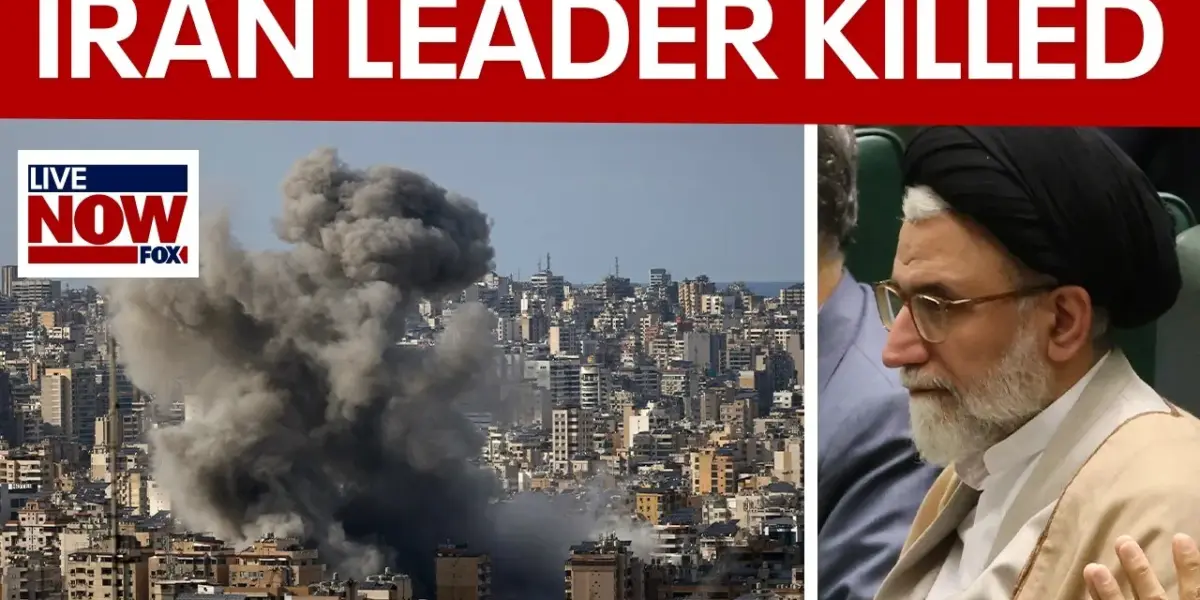
Israel Targets Iranian Leaders in Swift Strikes
In a rapid escalation of Middle East tensions, Israel has reportedly killed multiple high-ranking Iranian officials in strikes carried out within a 24-hour period. The targeted operations signal a significant shift in strategy, moving beyond military targets to focus on Iran’s internal security and intelligence apparatus.
Intelligence Minister Among Those Killed
The Associated Press reported on Wednesday that Iran’s Intelligence Minister, Asthma Khatib, has been killed. This announcement came from Israeli Defense Minister Yisrael Katz, who stated that “significant surprises are expected throughout this day on all the fronts.” The killing of Khatib follows closely on the heels of other high-profile assassinations.
Key Figures Eliminated
Among the other prominent figures reportedly eliminated are Ali Larijani, described as Iran’s Supreme National Security Council member and a de facto leader within the regime, and the head of the paramilitary Revolutionary Guards’ volunteer force. These actions represent a direct blow to Iran’s leadership and security structure.
US Sanctions Highlight Khatib’s Role
The U.S. Treasury had previously sanctioned Khatib in 2022. The sanctions were imposed for his alleged involvement in “cyber enabled activities” against the United States and its allies. The Treasury identified Khatib as directing networks of cyber threat actors involved in espionage and ransomware attacks, all aimed at supporting Iran’s political objectives. The Treasury also referred to Iran’s intelligence ministry as a primary security service responsible for serious human rights abuses.
Shifting Israeli Strategy
Jonathan Essay, a research analyst at the Foundation for Defense of Democracies, explained the strategic shift. “We have to look at this assassination wave in different phases,” Essay noted. “The initial steps were going after the main command structure, primarily military personnel. But now, with the Intel Minister paired with a few other folks… Israel is primarily shifting its focus towards internal refreshing actors that are preventing street protests to take place.”
“It seems like they’re facilitating the way for Iran’s protests and anti-regime movement to at least have a bit more of a leveled playing field between them and the Islamic Republic.”
Targeting the Repression Apparatus
Essay further elaborated on the difference in approaches between Israel and the U.S. “While the U.S. has been taking out a lot of military assets, Naval Force sites, Israelis are more focused on the urban areas and targeted assassinations and the repression apparatus,” he said. This suggests a deliberate effort to dismantle the mechanisms Iran uses to control its population.
Impact on Iran’s Leadership
The elimination of figures like Larijani raises questions about the stability of Iran’s leadership. Essay pointed out the ambiguity surrounding who truly governs the Islamic Republic, suggesting it might be a committee rather than a single individual. This lack of a clear, singular leader, he explained, is part of the regime’s strategy to function even after leadership decapitation, with contingency plans in place.
A Calculated Disruption
The assassinations are designed to disrupt Iran’s command structure and demoralize its armed forces. “Now, they know that there’s no way out for them,” Essay stated, signaling a clear message from Israel and its allies. He anticipates that this wave of assassinations is far from over, with future political and military leaders potentially being targeted.
Public Sentiment and State-Controlled Displays
Images emerging from Iran showed large crowds at a funeral for Ali Larijani. However, Essay cautioned against interpreting these displays at face value. “Most of these people that you see on display right now are part of the Basij militia, basically an underwing of the IRGC,” he explained. “Having grown up in Tehran, I remember during any major event, they would actually bus in people from other parts of the country… They know they don’t have enough of a support base and they want to have a show of force from a PR perspective.” He emphasized that these public displays are not necessarily indicative of the general Iranian sentiment.
A People’s War Against the Regime
Essay described the prevailing sentiment among many Iranians as seeing the current conflict as a war imposed by the regime itself. “Iran failed to negotiate in good faith. They did not provide concessions and regionalized the war, they went after civilian infrastructure as their main target,” he said. Many Iranians view the regime’s actions as the root cause of their current predicament.
Looking Ahead: A New Phase
The recent strikes and assassinations suggest that the conflict is entering a new and potentially more volatile phase. The targeted killings indicate a determined effort to weaken Iran’s internal control and external capabilities. What remains to be seen is how Iran will respond and whether these actions will lead to further regional instability or internal upheaval.
Source: Multiple Iranian leaders killed in Israeli strikes in less than 24 hours (YouTube)

Related Articles
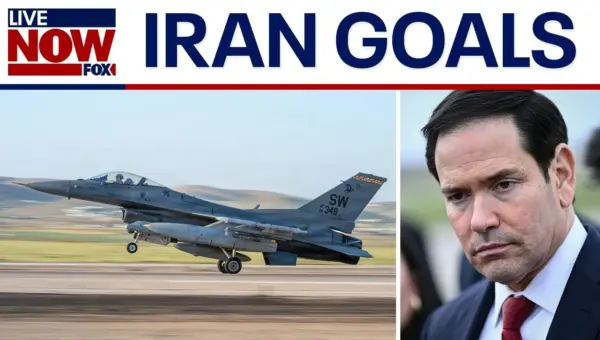
Rubio: US Can Achieve Iran War Goals Without Troops
Senator Marco Rubio outlined a strategy to counter Iran without deploying U.S. ground troops, focusing on weakening the regime and enhancing maritime security. He also criticized Cuba's economic system and expressed concerns about West Bank violence.


Israelis Forge Resilience Amidst Constant Bomb Shelter Drills
Life in Israel is a blend of resilience and constant vigilance, with many families adapting to frequent bomb shelter drills and even sleeping in makeshift shelters. Despite ongoing missile attacks, Israelis strive to maintain normalcy, though businesses face disruption and emotional fatigue is a growing concern.


Israel Escalates Iran Strikes, Warns of Wider War
Israel has launched significant strikes inside Iran following continued missile fire, warning of further escalation. The conflict risks wider regional instability and economic disruption, especially concerning the Strait of Hormuz.