Iran Attacks Dubai Airport, UAE Closes Airspace
Iran launched a significant drone and ballistic missile attack on the UAE, striking Dubai International Airport and forcing airspace closures. While air defenses largely succeeded, the assault disrupted flights and targeted key oil infrastructure, escalating regional tensions. The UAE has responded by seizing Iranian assets, and the incident highlights ongoing geopolitical challenges in the Middle East.

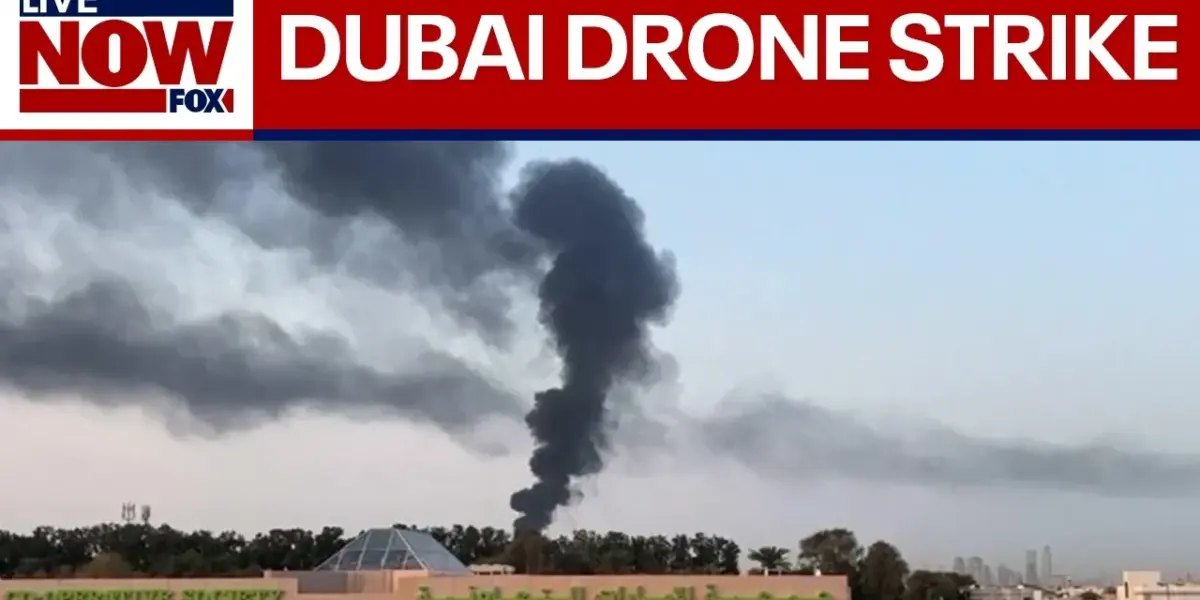
Middle East Tensions Escalate as Iran Targets UAE
Dubai, UAE – In a significant escalation of Middle East tensions, Iran launched a barrage of drones and ballistic missiles targeting the United Arab Emirates, including an attack that struck Dubai International Airport and forced the temporary closure of its airspace. The incident, which occurred earlier today, saw UAE air defenses actively engaged in neutralizing the threats, though the strikes disrupted flights and highlighted Iran’s continued capacity to project force despite ongoing international pressure.
Extensive Iranian Offensive Over UAE
The scale of the latest assault was considerably larger than previous attacks. Iran reportedly fired 10 ballistic missiles and 45 drones at the UAE. While Emirati air defenses were largely successful in intercepting the projectiles, the sheer volume of the attack necessitated the closure of airspace over the nation. This led to the cancellation of numerous flights at Dubai’s airport, with some aircraft being diverted to other locations. The incident underscores Iran’s ability to launch substantial attacks, even as the United States conducts round-the-clock strikes against Iranian targets.
Targeting Oil Infrastructure and Global Trade Routes
Evidence suggests Iran’s strategy involves targeting critical oil infrastructure. The Shaw gas field in Abu Dhabi was directly hit, leading to a suspension of production. Additionally, the Fujairah oil complex, part of a vital overland pipeline bypassing the Strait of Hormuz, was attacked for the third time this week. The Strait of Hormuz itself remains a major point of concern, with tanker traffic experiencing significant disruptions. However, in the past 24 hours, 15 tankers managed to pass through the vital waterway. This strategic targeting of energy resources and trade routes appears aimed at influencing global energy prices and putting pressure on international actors.
International Response and Shifting Alliances
The escalating situation has prompted international calls for action. President Trump has urged NATO to deploy warships to help secure the Strait of Hormuz. India has been among the first to respond, reporting success in moving two oil tankers through the strait. Notably, about 80% of the oil shipped from the Persian Gulf is destined for Asia, with only a small fraction, around 2%, heading to American shores. This highlights the complex geopolitical dynamics, with potential for allies in Asia to play a role in de-escalating the crisis. China, while not a US ally, is also a major consumer of oil from the region, suggesting diplomatic channels may be active between Beijing and Tehran to ensure oil exports continue.
UAE’s Response and Economic Impact
The UAE has responded firmly to the Iranian aggression, seizing Iranian financial assets. The nation is a major financial hub and home to a significant Iranian expatriate community of 700,000 people. The economic impact of the tensions is palpable, with reports indicating that many hotels in Dubai are experiencing drastically low occupancy rates, some as low as 7%, and 16 hotels have reportedly closed. The reaction from Gulf states, including the UAE, has been to place pressure directly on Iran, questioning their actions rather than solely focusing on Washington. This indicates a unified stance among regional powers against Iran’s destabilizing activities.
Air Defense Successes and Persistent Threats
Despite the disruptions, the Emirati and Saudi air defense systems have demonstrated significant success, reportedly shooting down 90-95% of incoming threats. However, the persistent attacks, such as the drone strike on Dubai International Airport that caused flight disruptions, show that some projectiles are getting through. The early morning alerts regarding the 45 drones served as a stark reminder of the ongoing threat. While the Ministry of Defense confirmed successful interception, the closure of airspace for several hours had a tangible impact on daily life and international travel.
Looking Ahead: De-escalation or Further Conflict?
As the situation continues to unfold, the focus remains on whether diplomatic efforts can prevail over military escalation. The effectiveness of air defense systems will be closely watched, as will the response from international powers and regional allies. The strategic targeting of oil infrastructure and trade routes raises concerns about global economic stability. The coming days will be critical in determining whether Iran’s actions lead to the desired pressure on the White House or further isolate Tehran and unite regional states against its aggression.
Source: Iran strikes Dubai airport, forcing UAE to close airspace temporarily (YouTube)

Related Articles

Iran’s Missile Threat Reduced by 90%, Analyst Says
An analyst reports that Operation Epic Fury has degraded Iran's missile launchers by 90%, despite challenges in targeting hidden sites. The conflict's duration and media coverage are also discussed, with implications for global energy markets and investor confidence.
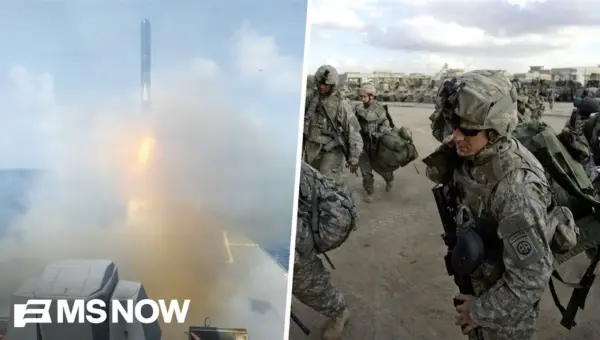
Iran Missile Strikes Injure US Troops, Raise War Concerns
Iranian missile strikes have injured U.S. service members, escalating tensions as the conflict nears one month. The attacks are raising concerns about the effectiveness of U.S. military strategy and the depletion of crucial missile stockpiles. Global oil prices have surged, impacting economies worldwide.

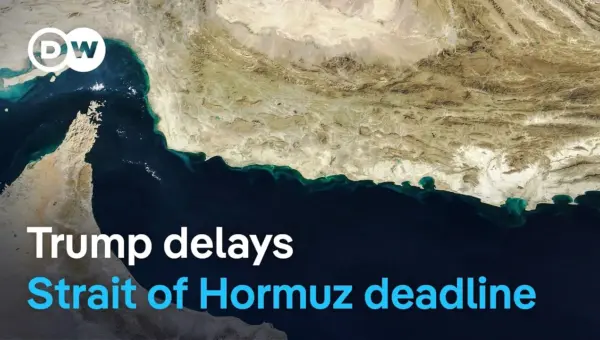
Trump Delays Iran Strike Deadline Amidst Shifting Diplomacy
President Donald Trump has extended his deadline for potential strikes on Iranian energy plants to April 6th, amid reports of U.S.-Iran diplomatic talks mediated by Pakistan. This move comes as Israel continues its strikes on Iran and the U.S. deploys additional military assets to the region. Analysts point to mixed signals, economic pressures, and strategic miscalculations as key factors shaping the evolving situation.