State Dept. Fires Oil Experts Before Iran Conflict: Report
A recent report indicates the State Department eliminated its oil and gas experts just six months before the Trump administration's military actions against Iran. This move removed crucial knowledge just as global energy markets faced potential disruption and price surges.

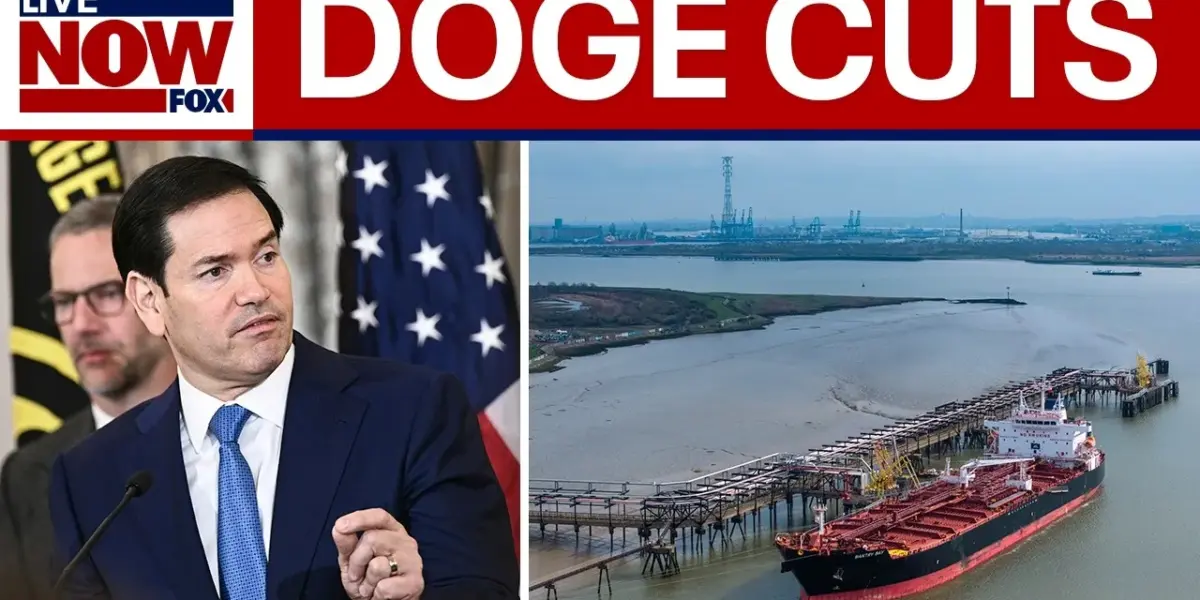
Key Experts Dismissed Months Before Escalation
A new report reveals that the State Department dismissed its oil and gas experts just six months before the Trump administration initiated military action against Iran. The move effectively dismantled the department’s energy division, leaving a void in critical expertise precisely when global energy markets faced potential disruption and soaring prices.
Loss of Deep Expertise
According to reporting by Axios, the entire Bureau of Energy Resources at the State Department was eliminated. This bureau was staffed with professionals who understood global energy markets, including those with specific knowledge of the Middle East. Their roles included planning for global energy crises, estimating the impact of pipeline versus tanker oil transport, and understanding liquefied natural gas exports, particularly from Qatar.
Anna Kramer, the reporter behind the scoop, explained the gravity of this decision. “The folks who were cut are the oil and gas experts at the state department,” Kramer stated. “What was actually cut was the entire bureau of energy resources at state and that included everyone who does oil and gas also a lot of regional experts including the folks who are regional experts in the Middle East.”
Ironically, the positions that were retained focused on critical minerals and clean energy. These areas, while important, did not directly address the immediate concerns of a potential conflict impacting oil supply routes.
Experts Crucial for Crisis Planning
These dismissed experts were not just policy advisors; they were instrumental in practical crisis management. Their responsibilities included identifying key contacts within state-owned oil agencies in countries like Saudi Arabia and the UAE. They also estimated the economic and logistical consequences of various energy supply chain scenarios, such as rerouting oil through pipelines instead of tankers.
“They were not only in charge of game planning what might happen say if you had a crisis in the state of Hormuz but they were the folks in charge of knowing who the key contacts are at the stateowned oil agencies in Saudi Arabia or the UAE or in Doha and Qatar,” Kramer elaborated.
Limited Alternatives for Expertise
The report suggests that when these State Department experts were let go, the administration had few places to turn for similar knowledge. Normally, such expertise could be found at the Department of Energy, the National Security Agency, or the National Security Council. However, Kramer noted that many oil and gas experts had also voluntarily left those agencies.
This created a situation where the government lacked the deep understanding needed to navigate complex energy challenges. “So they’re definitely relying on the folks who are left there. But to be honest with you, the true experts who understand this stuff, they were at state and without them, the agencies definitely do not have the kind of knowledge you would expect in a situation like this,” Kramer said.
Impact on Decision-Making
The absence of these specialists raises questions about the quality of decision-making during the escalating tensions. Experts who were let go described feeling like outsiders, watching scenarios they had prepared for unfold without their input. They also warned of a reduced emphasis on inter-agency collaboration, with power becoming more centralized within the White House and among political appointees.
While it is impossible to definitively measure the exact impact of these dismissals on subsequent events, the timing is significant. The Strait of Hormuz, a vital chokepoint for global oil transport, became a focal point of military and diplomatic activity. Without the State Department’s energy experts, the administration may have lacked the nuanced understanding to anticipate or mitigate the energy market’s reaction to the conflict.
“It’s impossible to know because the reality is in a different administration, what would have happened most likely is that their expertise would have informed decision-m before it happened, not after the fact,” Kramer commented.
Broader Implications for Global Stability
The report highlights the potential risks of sidelining specialized knowledge within government, especially during times of geopolitical uncertainty. The ability to maintain open sea lanes for oil tankers is crucial for global economic stability. The dismissal of experts who understood these critical routes and relationships could have hampered efforts to ensure their continued operation.
“When we’re talking about oil and gas expertise in the US government when it comes to making decision-making, that’s something you want, right?” Kramer questioned. She pointed out that oil and gas companies in the Middle East had direct contacts at the State Department. When these contacts were removed, the U.S. lost direct lines of communication with entities most affected by oil exports through the Strait of Hormuz.
Looking Ahead
Moving forward, the focus remains on reopening the Strait of Hormuz to ensure stable oil markets. While diplomatic or military solutions are being considered, the report suggests that a lack of specific energy expertise within the State Department may have hindered the administration’s ability to fully assess and address the complex energy implications of the conflict. The effectiveness of any future strategies will likely depend on the government’s capacity to access and utilize critical knowledge on global energy flows and diplomacy.
Source: State Dept. fired oil & gas experts months before Iran war: RPT (YouTube)

Related Articles

Trump Blunders Into Iran Conflict, Lacks Strategy
Journalist David Cay Johnston argues that President Trump lacks a clear strategy in dealing with Iran, driven by falling poll numbers and personal ambition. Johnston warns of potential disaster, citing Trump's inexperience and the dangerous influence of Christian nationalism on U.S. policy.
Ukraine Hits Oil Terminals, Halting 40% of Exports
Ukraine has successfully targeted Russia's oil export terminals, disabling 40% of the nation's export capacity. This strategic shift follows an evolving campaign against Russian energy infrastructure, now focusing on the limited number of export facilities to maximize disruption.


Iran Hacks Trump Official Amid Escalating Global Tensions
Iran has reportedly hacked into the emails of a former Trump administration official, raising security concerns. Meanwhile, US intelligence questions the effectiveness of strikes against Iran, and reports suggest Donald Trump's interest in the conflict is waning. The situation is further complicated by global economic impacts and allegations of bias within the US military.