US Bombs Iran Missile Sites Near Hormuz Strait
The U.S. military deployed 5,000-pound bombs on Iranian missile sites near the Strait of Hormuz, while tensions rise over Iran's actions and internal political shifts. The article details the advanced munitions used, Iran's controversial use of cluster bombs, and the significant resignation of a top counterterrorism official.

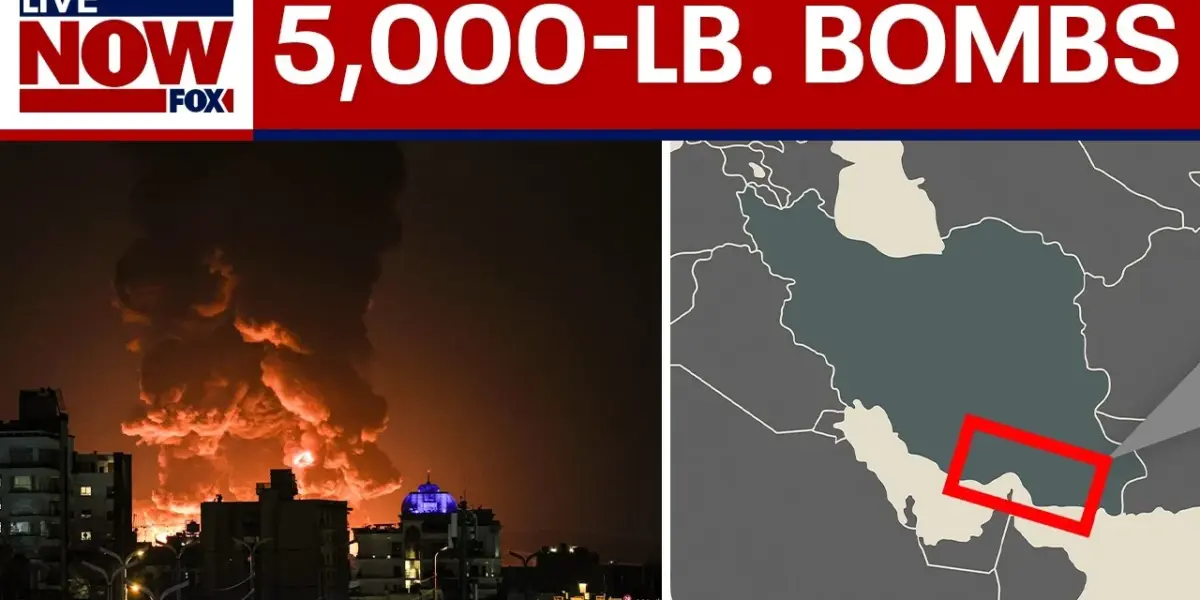
US Strikes Iranian Missile Sites
The United States military has dropped 5,000-pound bombs on hardened Iranian missile sites near the critical Strait of Hormuz. U.S. Central Command (CENTCOM) announced the strikes, stating that the targeted sites housed Iranian anti-ship cruise missiles that posed a threat to international shipping. This action marks the first known use of this specific type of heavy ordnance by the U.S. military.
Advanced Munitions Deployed
Retired Marine intelligence officer Hal Kemper explained that the 5,000-pound deep penetrator munitions are designed for taking out deeply buried underground facilities, tunnels, and bunkers. “We’ve used some pretty advanced deep penetration ordnance, but this one is as they’re saying, this particular one was one that we’ve never used before,” Kemper noted. He added that the U.S. has invested heavily in research and development for unique types of ordnance capable of destroying such hardened sites, particularly in locations like Iran and North Korea. The deployment of heavy bombers, including B-1Bs and B-52s, in the region suggests a broader effort to neutralize Iranian air defenses and degrade its offensive capabilities.
Iran’s Use of Cluster Munitions
The conversation also touched upon Iran’s use of cluster munitions on ballistic missiles, a tactic that presents significant challenges for air defense systems. Kemper described how these munitions can break apart upon interception, scattering smaller bomblets over a wide area. “This has become a more difficult problem to basically prosecute from an air defense standpoint,” he stated. While many countries consider cluster munitions illegal under the laws of war, their use by Iran complicates defensive strategies.
Resignation Amidst Tensions
The interview highlighted the resignation of Joe Kent, Director of the National Counterterrorism Center. Kent cited concerns over the justification for U.S. strikes against Iran, stating that he believed Iran posed no imminent threat and that the action was influenced by pressure from Israel. White House press secretary Caroline Levitt countered this, asserting the President had strong evidence of an impending Iranian attack on the U.S. Kemper expressed surprise at Kent’s assessment, pointing out Iran’s long-standing threats through proxies like Hezbollah and the Houthis. He also raised concerns about potential anti-Semitic undertones in Kent’s resignation statement, suggesting his political ideology may have played a role.
Key Iranian Leaders Eliminated
Significant developments include reports of the deaths of two top Iranian leaders in strikes within the past 24 hours. Ali Larajani, believed to be a key decision-maker, and General Golam Reza Salamani, head of the Basij militia, were reportedly killed. Kemper described these as potential Israeli “decapitation strikes,” aimed at removing crucial figures within the Iranian regime. He emphasized Larajani’s influence and connections, suggesting his removal will significantly impact the regime’s stability and decision-making capabilities. The death of Salamani, who led a force involved in suppressing protests, is also seen as a major blow.
NATO’s Reluctance to Engage
President Trump’s criticism of NATO allies for not assisting in securing the Strait of Hormuz was also discussed. Kemper explained that European democracies are hesitant to become further involved in Middle East conflicts due to political considerations and the potential for domestic backlash. He noted that these nations have contributed significantly to past U.S.-led operations, such as in Afghanistan and Iraq, and are wary of further military commitments. Additionally, domestic constituencies within these countries hold diverse views on the conflict, making increased involvement politically risky.
Concerns Over Protests in Iran
The article also addressed concerns about the potential for brutal crackdowns on any future protests within Iran. Israeli officials believe that Iranian security forces, particularly the IRGC and Basij, would violently suppress demonstrators. Kemper suggested that while direct military support for protesters is complex, the U.S. is currently targeting IRGC and Basij positions to weaken their capacity to enforce control. The hope is that by degrading these forces, any future protests might have a greater chance of success, potentially with the support of secular security forces.
Source: US drops 5,000-lb. bombs near Strait of Hormuz, CENTCOM says (YouTube)

Related Articles

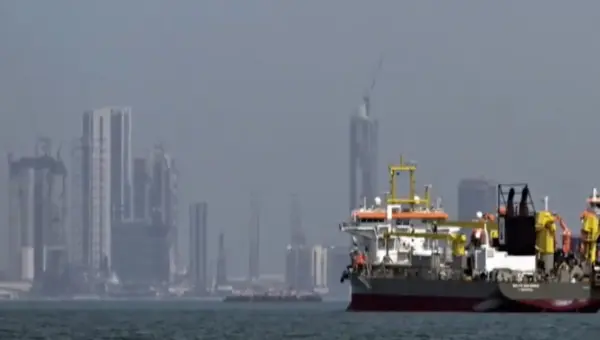
Iran Blocks China Ships, Exposing Beijing’s Weak Grip
Iran's recent decision to block Chinese ships at the Strait of Hormuz is exposing the limits of Beijing's influence in the Middle East. This action is causing delays and cancellations for Chinese manufacturers, turning a perceived geopolitical win into an economic strain.
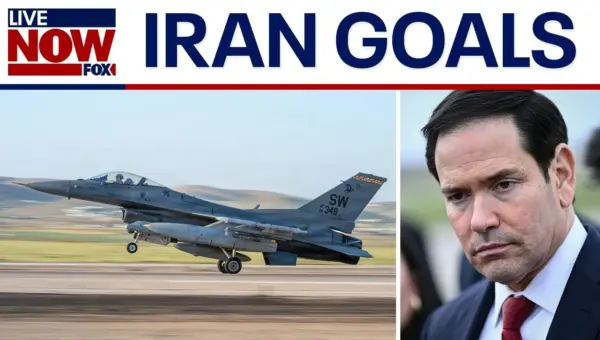
Rubio: US Can Achieve Iran War Goals Without Troops
Senator Marco Rubio outlined a strategy to counter Iran without deploying U.S. ground troops, focusing on weakening the regime and enhancing maritime security. He also criticized Cuba's economic system and expressed concerns about West Bank violence.


Israel Escalates Iran Strikes, Warns of Wider War
Israel has launched significant strikes inside Iran following continued missile fire, warning of further escalation. The conflict risks wider regional instability and economic disruption, especially concerning the Strait of Hormuz.