Israel Targets Top Iran Leaders; Trump Open to Iran Ground Mission
Israeli forces have announced the elimination of Iran's top security chief, Ali Larijani, and a Basij commander in strikes within Iran. Political scientist Benjamin Rod described the loss as devastating for the Iranian leadership. Meanwhile, President Trump expressed openness to deploying U.S. ground troops in Iran, potentially to secure nuclear materials.

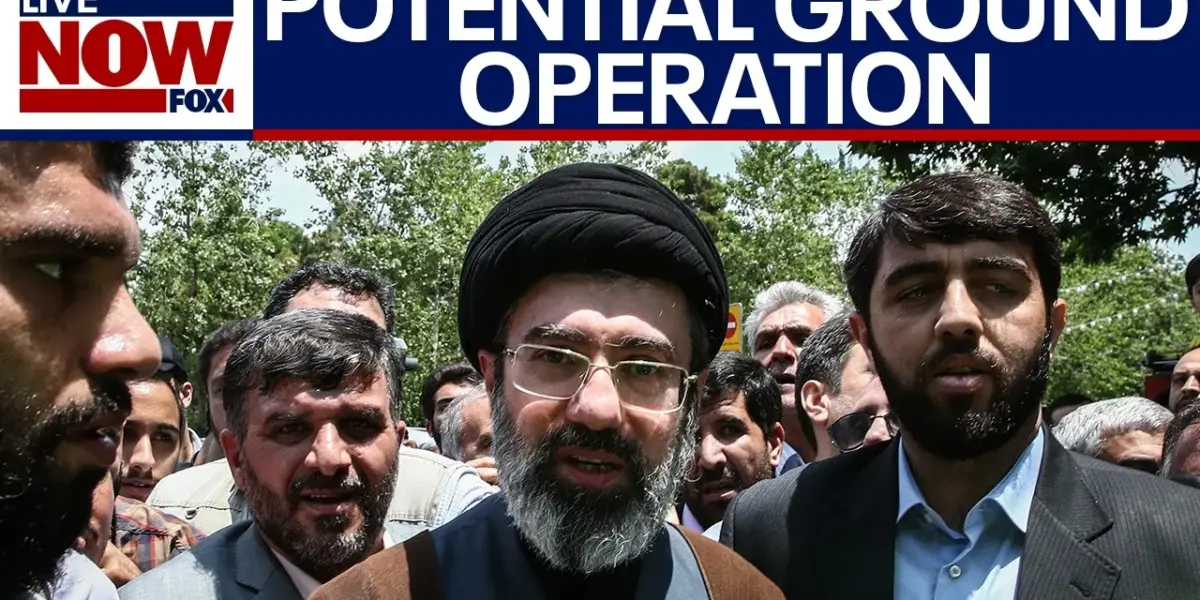
Israel Strikes Iran, Eliminates Top Security Chief
Israeli forces announced Wednesday morning they have killed Ali Larijani, Iran’s top security chief, and Golam Resa Solmani, a Basij commander, in strikes inside Iran. The Israel Defense Forces (IDF) declared on X, formerly Twitter, that Larijani, identified as the Secretary of Iran’s Supreme National Security Council and the regime’s effective leader, has been eliminated. Larijani was described as one of the most senior figures in Iran’s leadership, closely associated with Supreme Leader Ali Khamenei.
According to the IDF, Larijani personally oversaw the violent crackdown on protesters during recent demonstrations against the Iranian government. The military also released video footage stating, “The IDF has eliminated the leadership of the Iranian terror regime.” The statement further detailed that Larijani directed the regime’s terror attacks across the region for years and led violent suppression of protesters. Golam Sulimmani, commander of the Basij unit, was also eliminated. The Basij unit is described as a force used to suppress civilians and a key pillar of the regime’s terror operations.
Israeli Prime Minister Benjamin Netanyahu also released a video concerning the operation. He stated, “In the past 24 hours, we knocked out two of the terrorist chieftains, the top terrorist chieftains of this tyranny.” Netanyahu added that Israeli aircraft were targeting “terror operatives on the grounds in the crossroads in the city squares.” He concluded by wishing the “brave people of Iran” a happy festival of fire and a happy Nowruz, the Persian New Year.
Expert Analysis: A Devastating Loss for Iran’s Leadership
Political scientist Benjamin Rod explained the significance of Larijani’s elimination. “The blow is more to the leadership as a whole specifically than the IRGC,” Rod stated. He noted that Larijani was uniquely positioned, having relationships with the former Supreme Leader, IRGC officials, and even playing a role in negotiations for the Iran nuclear deal. “A very talented multi-purpose figure for the regime and somebody who absolutely is a devastating loss for them,” Rod added.
Rod also discussed the succession of the Supreme Leader. While Larijani’s son, Moshabakami, was named the new Supreme Leader, his actual influence and even his whereabouts remain unclear. President Trump had previously told reporters that U.S. officials were unsure if Moshabakami was dead or alive. Rod suggested that the secrecy and lack of public appearance from Moshabakami indicate compromised health or irrelevance.
“This is now a regime that is more of a military junta. It’s a committee of probably military officials, IRGC officials running a sort of military style dictatorship,” Rod commented. He believes the role of Supreme Leader has become largely ceremonial, with real power residing with senior IRGC officials. Rod also suggested that the current leadership has been significantly degraded, with remaining figures lacking the experience and legitimacy of those eliminated.
Trump Open to Deploying Troops in Iran
Regarding the possibility of U.S. boots on the ground in Iran, President Trump stated he is “not afraid of deploying boots on the ground in Iran.” Iran has warned against such a move, calling it a “quagmire.” Rod explained that a potential deployment would likely aim to prevent Iran from reconstituting its nuclear program, specifically to retrieve unaccounted-for highly enriched uranium.
“What would be proposed are ground troops, special forces, whether it’s from the U.S. military or CIA paramilitary that would go in and remove, retrieve those 200 kg of highly enriched uranium from Esfahan,” Rod detailed. He acknowledged the significant challenges, including the fortified nature of the facility, its location in northwestern Iran, and the need for extensive logistical support.
Hope for Change Amidst Tumultuous Times
The strikes come during a period of celebration in Iran, with the fire festival and the upcoming Nowruz. Many Iranians are hoping for an end to the Islamic regime and the establishment of democratic leadership. Rod described the situation as a “huge unknown” but highlighted Israel’s strategy to weaken the security apparatus.
Israel’s efforts reportedly include undermining the resolve of remaining security forces and potentially encouraging them to step aside when the people rise up. “It’s really about weakening the resolve of the remaining security forces and their ability to resist and then giving the Iranian people the freedom to be able to really go and take over some of these installations, maybe take over the state broadcasting and take the regime down from within,” Rod explained. However, he cautioned that this scenario depends on many factors, including Israel’s ability to sustain its campaign and the Iranian people’s willingness to act.
Looking Ahead: International Pressure and Financial Sanctions
As the conflict continues, Rod anticipates watching for a more aggressive pushback from Gulf countries against Iran. While these nations have issued strong statements, military action has not been taken. Rod suggested that cutting off Iran’s access to financial institutions, particularly banking relationships in the UAE and Qatar used to fund its operations, would be a significant turning point.
“Are we going to begin to see these Gulf states push back and cancel those accounts and really block Iran’s ability to access the international financial system? That would be a big turning point from, I think, further weakening and destabilizing and undermining the legitimacy of the regime,” Rod concluded. He noted that the current situation suggests a timeline of four to five weeks, which still appears to be on track.
Source: Trump says ‘I'm not afraid’ when asked about sending troops to Iran (YouTube)

Related Articles
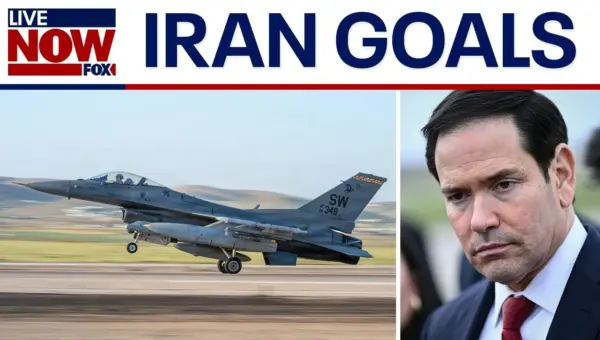
Rubio: US Can Achieve Iran War Goals Without Troops
Senator Marco Rubio outlined a strategy to counter Iran without deploying U.S. ground troops, focusing on weakening the regime and enhancing maritime security. He also criticized Cuba's economic system and expressed concerns about West Bank violence.


Israelis Forge Resilience Amidst Constant Bomb Shelter Drills
Life in Israel is a blend of resilience and constant vigilance, with many families adapting to frequent bomb shelter drills and even sleeping in makeshift shelters. Despite ongoing missile attacks, Israelis strive to maintain normalcy, though businesses face disruption and emotional fatigue is a growing concern.

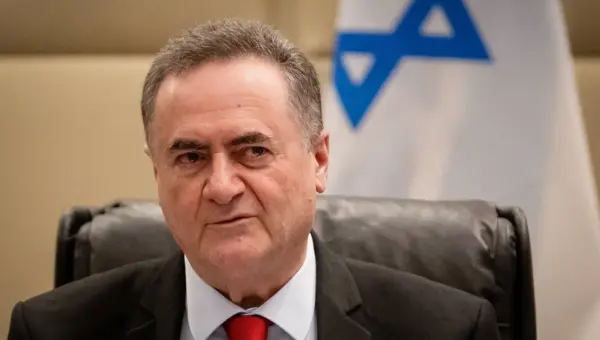
Israel Escalates Iran Strikes, Warns of Wider War
Israel has launched significant strikes inside Iran following continued missile fire, warning of further escalation. The conflict risks wider regional instability and economic disruption, especially concerning the Strait of Hormuz.