Israel Kills Top Iranian Security Chief in Major Strike
Israel has announced the killing of Ali Larijani, a senior Iranian security official, in a significant strike. The operation targeted a key figure within the Islamic Republic's leadership. Experts suggest Larijani was a hardliner and played a crucial role in suppressing protests.

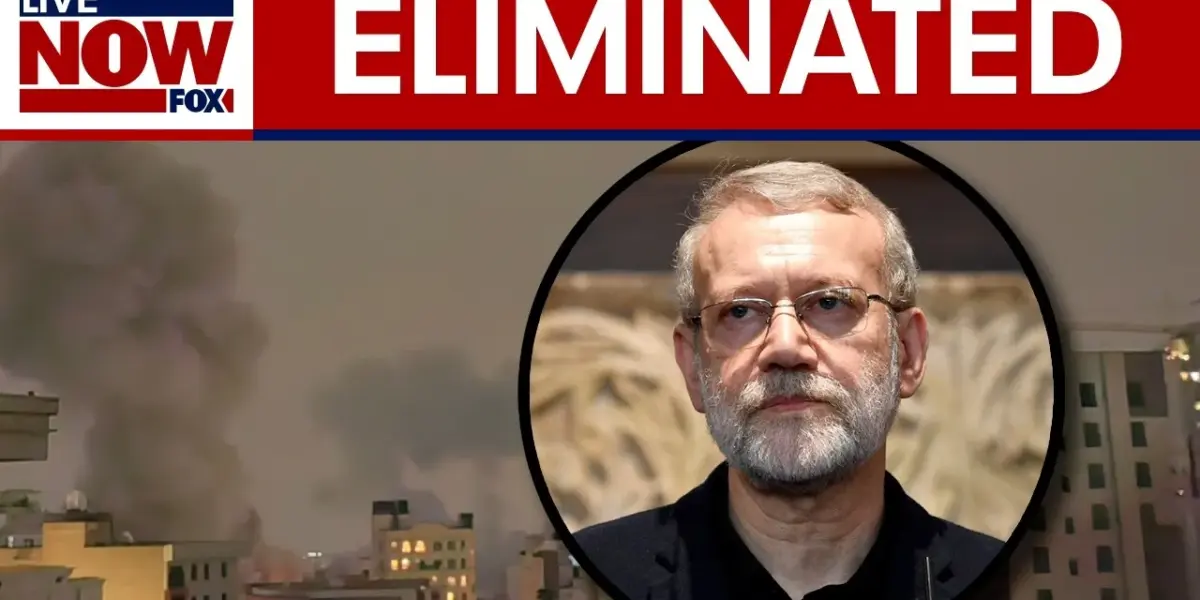
Israel Eliminates Key Iranian Security Official
Israel announced Tuesday it has killed Ali Larijani, a senior figure in Iran’s security apparatus, in a significant strike aimed at weakening the Islamic Republic. The operation, described as a major blow, targeted a prominent leader within Iran’s leadership structure. Prime Minister Netanyahu of Israel confirmed the killing, stating, “This morning we eliminated Ali Larijani.” Larijani was identified as a high-ranking official within the Revolutionary Guards, an organization described as instrumental in the Iranian government’s operations.
Who Was Ali Larijani?
Daniel Roth, research director at United Against Nuclear Iran, provided insight into Larijani’s importance. He described Larijani as a “lynchpin” to the Iranian regime. Roth emphasized that Larijani’s position as Secretary of the Supreme National Security Council, a role he held multiple times, indicated his deep involvement and influence. He characterized Larijani as a hardliner, ranking him as an eight and a half or nine on a scale of ten, with the Supreme Leader being a ten. Roth also highlighted Larijani’s significant role in the brutal crackdown on Iranian citizens protesting the government, stating that Larijani played a major part in the suppression where many individuals were reportedly killed.
“He was really one of those major figures that were responsible for that awful crackdown on Iranian citizens protesting this horrific regime… and he played a major part in that.”
Regime Change vs. Collapse
The conversation touched on the broader goals of actions against Iran. While the U.S. President’s stated objective was not necessarily regime change, Roth suggested that regime collapse is a potential outcome. He noted that Israel may have a greater interest in substantive regime change than the United States. The possibility of a friendly regime emerging that aligns with Western interests was also mentioned.
Iran’s Nuclear Program
Discussions also addressed Iran’s nuclear capabilities. Reports indicate several hundred kilograms of highly enriched uranium remain unaccounted for, with speculation about its location. While past operations have aimed to degrade the program, concerns persist. Roth suggested that while the program has been severely degraded, securing or accounting for the remaining enriched uranium is crucial. He expressed personal confidence that Iran would not be able to weaponize the material, given the state of its facilities.
Strait of Hormuz and International Support
The potential for Iran to disrupt vital shipping lanes, particularly the Strait of Hormuz, was another key point. The U.S. President indicated a willingness to use force to keep the strait open if allies do not cooperate. Roth affirmed the U.S. military’s capability to secure the waterway. However, he expressed disappointment with the response from some allies, including Britain, Germany, and Australia, who have been hesitant to commit resources. He suggested that a lack of solidarity from these nations could impact future requests for U.S. assistance on other global issues, such as the situation in Ukraine.
Russia’s Role and Complicating Factors
New reports suggest Russia is secretly providing satellite imagery and drone technology to Iran, potentially aiding in targeting U.S. forces. This development complicates the geopolitical landscape, especially concerning U.S. efforts to broker peace in Ukraine. Roth viewed this as Russia’s way of reciprocating for Iran’s previous support, providing surveillance in exchange for drone technology. Despite this, he believes it will not have a substantive impact on U.S. policy, as President Trump remains focused on brokering a deal between Russia and Ukraine.
What Comes Next?
Looking ahead, Roth highlighted that alongside Larijani, the head of the Basij, a paramilitary internal security unit, and his deputy were also reportedly killed in Israeli strikes. This suggests a dual strategy: the U.S. focusing on military installations, while Israel targets internal suppressors to encourage regime collapse. Observers will be watching how these strategies develop and progress in the coming days and weeks, particularly concerning further strikes on military and internal security targets within Iran.
Source: Ali Larijani, Iran's top security official, killed in Israeli strike (YouTube)

Related Articles


Iran Targets US With Cyberattacks, Escalating Digital Warfare
Iran is increasingly using cyberattacks to challenge the U.S., as seen in a recent hack of the FBI director's account. Experts say this is a strategic shift due to Iran's limitations in conventional warfare. The U.S. needs to strengthen its digital defenses, focusing on encryption and cloud computing, rather than solely relying on traditional security measures.

Iran Hacks FBI Chief, Exposing U.S. Cyber Vulnerabilities
A recent hack of FBI Director Kash Patel's personal email by an Iran-linked group highlights Iran's growing cyber threat to the U.S. Experts explain how simple security oversights are exploited, emphasizing the need for basic defenses like two-factor authentication to protect against propaganda and potential infrastructure attacks.

Trump Halts Iran Strikes Amid Stalled Diplomacy
President Trump announced a pause on planned strikes against Iran, citing productive talks, though Iran denies negotiations occurred. Reports also suggest a potential U.S. ground operation on Iran's Hark Island. The situation raises concerns about international support for Ukraine and potential shifts in U.S. foreign policy.