Senate Debates Key Bills, Mullin’s DHS Nomination Looms
The U.S. Senate is currently engaged in extensive debates over significant legislation, with a procedural vote advancing a key bill despite underlying opposition. Meanwhile, Senator Markwayne Mullin's nomination for Secretary of Homeland Security is set to undergo scrutiny tomorrow, with expectations of bipartisan support.

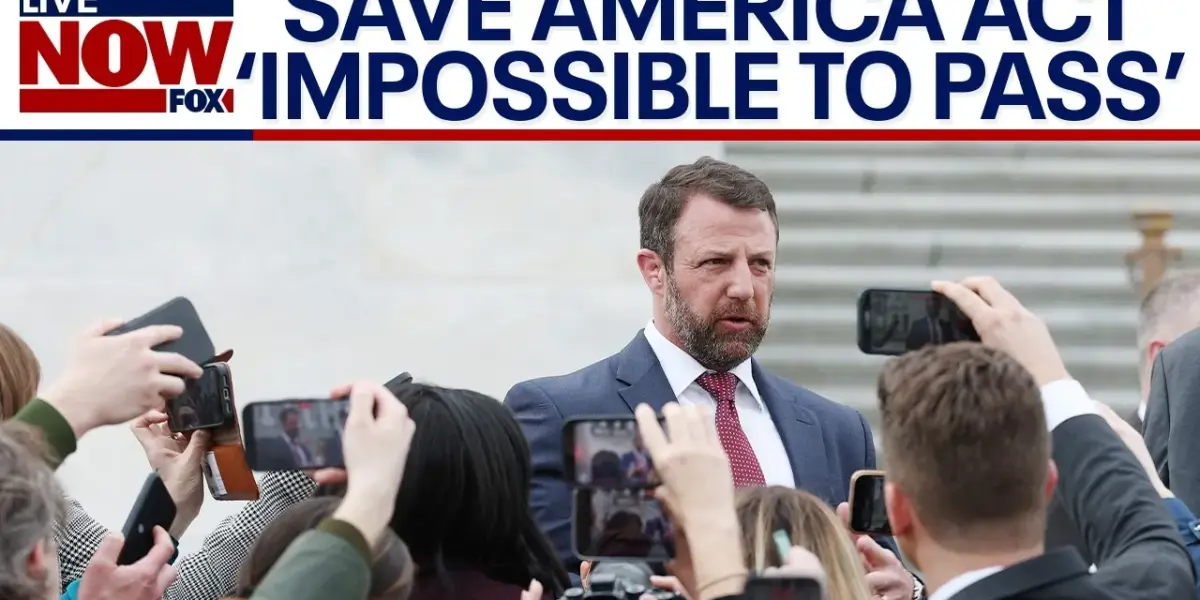
Senate Floor Buzzes with Debate Over Key Legislation
Capitol Hill was a hive of activity today as the Senate engaged in heated debates over significant legislative proposals. The chamber saw a procedural vote on a measure, often referred to as the Save America Act, which advanced with a 51-48 vote. However, the path forward for the bill remains uncertain, with its future hinging on securing a difficult 60-vote threshold for final passage.
Senator Lisa Murkowski was the sole Republican to vote against advancing the debate, a move that signals underlying opposition within the party. While Senator Tom Tillis did not vote on the procedural measure, he has stated he would vote no on the bill itself. Senate Minority Leader Mitch McConnell voted to proceed to the debate but has also voiced his opposition to the bill’s core content.
The debate is structured in a manner that allows for extensive discussion, reminiscent of a “talking filibuster.” This process opens the floor to potentially unlimited debate, and its duration is currently unknown. The bill faces significant hurdles, as it requires bipartisan support to overcome the 60-vote requirement, and Democrats have largely indicated they do not support its provisions.
Contentious Amendments Complicate Bill’s Passage
Adding to the complexity, several amendments have been introduced, potentially influencing the vote count. Some Republicans are reportedly concerned about provisions related to mail-in voting, while others are focused on so-called “culture war” amendments concerning transgender issues and men’s and women’s sports. These amendments could alienate potential supporters and further complicate the bill’s chances of passing.
There appears to be some flexibility from Republicans regarding the mail-in ballot provisions. Discussions suggest a possibility of allowing states more leeway in interpreting these rules. However, on issues like transgender participation in sports, the stance seems more rigid, with suggestions that these amendments would need to be removed entirely to gain broader support.
The White House has also faced scrutiny over its messaging regarding Iran. Inconsistent statements about whether Iran posed an “imminent threat” have drawn attention. The Director of National Intelligence, Haspell, is expected to face tough questions on this matter tomorrow, particularly after a high-ranking official within her office resigned, stating Iran was not an imminent threat.
“President Donald Trump was overwhelmingly elected by the American people to be our president, commander-in-chief. As our commander-in-chief, he is responsible for determining what is and what is not an imminent threat and whether or not to take action he deems necessary to protect the safety and security of our troops, the American people, and our country.”
Haspell, Director of National Intelligence
Senator Mullin’s DHS Nomination Faces Senate Scrutiny
Looking ahead, a key event tomorrow will be the confirmation hearing for President Trump’s nominee for Secretary of the Department of Homeland Security, Senator Markwayne Mullin. Mullin, a Republican from Oklahoma, is expected to have a relatively smoother confirmation process compared to his predecessor.
Mullin is known in the Senate for his ability to mediate negotiations and build bridges between the House and Senate. This skill is expected to garner him bipartisan support, with reports indicating that some Democrats, like Senator John Fetterman, are already backing his nomination. While Senator Rand Paul, who chairs the relevant committee, has been tight-lipped, the general sentiment appears positive.
Questions for Mullin are likely to focus on his approach to immigration policy, a significant challenge under the previous DHS leadership. His ability to manage immigration effectively and improve communication between DHS and Congress will be critical. Senator John Kennedy, who was a vocal opponent of the previous nominee, has indicated a lower bar for Mullin, suggesting that his confirmation may be less contentious.
What to Watch Next
The Senate is bracing for a prolonged period of debate on the current legislation, which could extend through the weekend and beyond. The outcome of these debates, along with the confirmation of Senator Mullin, will shape critical policy areas in the coming months. All eyes will be on the Senate floor as these crucial votes and discussions unfold.
Source: Senator Mullin's confirmation for DHS Chief scheduled for tomorrow (YouTube)

Related Articles


TSA Funding Fight Sparks Airport Chaos, Worker Exodus
TSA officers will soon receive back pay after President Trump signed an emergency order, but the ongoing congressional funding fight continues to cause airport chaos. Long security lines and a significant number of TSA officer resignations highlight the deep divisions over border security measures, leaving travelers frustrated.

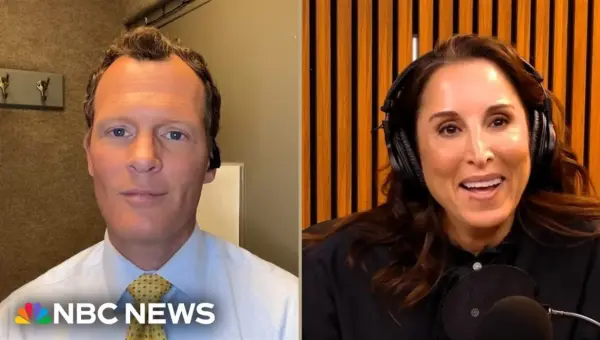
House Republicans Block DHS Funding Bill; Iran Faces War Fears
House Republicans have rejected a Senate-passed bill to fund the Department of Homeland Security, leaving thousands of TSA workers unpaid and deepening a political standoff. Meanwhile, in Iran, citizens face escalating conflict amidst fear, an internet blackout, and growing internal divisions, though glimmers of hope persist.
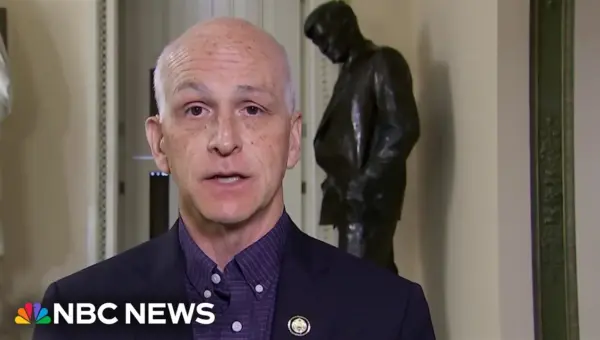
Democrat: Speaker Johnson Holds TSA Hostage for Immigration Reform
House Democrats accuse Speaker Mike Johnson of holding the TSA 'hostage' by refusing to bring a bipartisan Senate funding bill to the floor. Congressman Adam Smith argues this tactic is used to force concessions on immigration reform, putting essential services at risk. A Senate-passed bill could fund the TSA immediately, but Johnson's approach creates a legislative stalemate.