Russia Admits Ukraine Drones Breach Its Defenses
Russia's Defense Minister Sergei Shoigu has admitted that Ukrainian drone attacks pose a threat to all regions of Russia, signaling a significant shift in the conflict. Ukraine's battlefield advances and cost-effective drone production are complicating Moscow's military plans, while geopolitical events like the Iran war impact global oil prices and European unity.

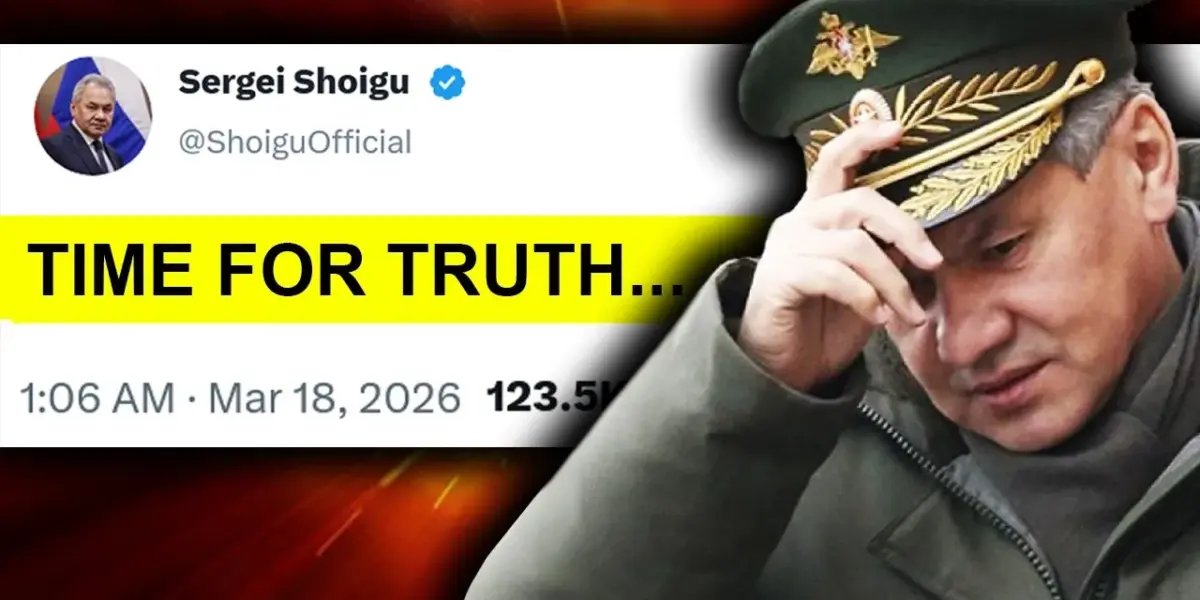
Russia Admits Ukraine Drones Breach Its Defenses
Russian Defense Minister Sergei Shoigu has acknowledged a significant shift in the conflict with Ukraine. He stated that no region within Russia can consider itself safe from Ukrainian drone attacks. This admission comes as Ukraine’s drone warfare capabilities appear to be evolving rapidly, impacting Russia’s rear areas and forcing Moscow to confront a new reality on its own territory.
Battlefield Dynamics Shift
The Institute for the Study of War reported on March 16 that Ukrainian advances in Dnipropetrovsk Oblast are hindering Russian offensive operations. This suggests that Russia’s momentum is facing increased resistance. Ukrainian President Volodymyr Zelenskyy also stated that counterattacks in the east and south have disrupted Moscow’s planned March offensive. While Ukraine has not solved all its battlefield challenges, these actions indicate that Russian territorial gains are not automatically translating into sustained operational success. This forces Russian units to react and reallocate resources, rather than dictating the pace of the conflict.
This shift in battlefield tempo and adaptation is crucial. When outcomes become less certain, governments often intensify efforts in the information space. Moscow highlights its advances, while Kyiv emphasizes successful counterattacks and signs of Russian resource depletion. The core question is not about the loudest narrative, but which side is shaping the future of the war.
Drone War Reaches Russian Interior
Sergei Shoigu’s recent comments mark a notable admission from Russia. He stated that the rapid development of Ukrainian drones means Russia’s interior is vulnerable. This signals that the perceived safety of distance has diminished. Reports indicate a 40% rise in sabotage incidents within Russia in 2025, reaching 1,830 cases. The Russian Defense Ministry claimed to have shot down 421 Ukrainian drones in a single 24-hour period. Moscow Mayor Sergei Sobyanin reported that air defenses intercepted the largest attack on the capital in at least a year, downing 250 drones over a weekend.
Even if these figures are inflated, their public release by the Kremlin suggests a need to reassure the public about interceptions. However, this constant discussion of defense also spreads fear. It indicates that drone attacks are becoming a pattern, not just isolated incidents. For years, a key aspect of wartime stability in Russia was the psychological separation between the front lines and daily life. Drone warfare erodes this separation, affecting infrastructure, logistics, and the fundamental belief that the rear areas are secure. Shoigu’s statement acknowledges not just a military problem, but also a political and social one, requiring increased resources for defense and public perception management.
Ukraine’s Cost-Effective Drone Strategy
Ukraine’s success in challenging Russia’s drone strategy hinges on economics. The key question is who can sustain production and operational costs more effectively. Ukraine’s STING interceptor drone, produced by Wild Hornets, has reportedly destroyed over 3,000 Russian Shahed drones since mid-2025. With over 10,000 STING units produced monthly at a cost of around $2,000 each, they are significantly cheaper than the estimated $20,000 to $50,000 cost of a Shahed drone. This economic advantage allows Ukraine to neutralize incoming threats at a fraction of the cost, potentially inverting the cost equation of the air war.
This technological advantage is amplified by Ukraine’s production model, which combines state support, civic mobilization, and private enterprise. Training for the STING system is also rapid, taking only a few days for experienced FPV drone operators. Ukraine is also exporting its drone expertise, with teams visiting Gulf countries to discuss potential cooperation. This positions Ukraine’s drone experience as a strategic asset beyond its own defense needs.
Diplomatic Efforts Amidst Geopolitical Shifts
The conflict in Ukraine is increasingly intertwined with global events. The war in Iran has driven up oil prices, indirectly benefiting Russia’s economy and potentially easing pressure from sanctions. This geopolitical context adds urgency to diplomatic efforts. Ukrainian President Zelenskyy’s visit to London highlighted the need to maintain focus on Ukraine amidst these distractions. British opposition leader Keir Starmer emphasized that support for Ukraine must not waver and that Russia should not profit from the conflict in Iran through higher oil prices or weakened sanctions.
The UK and Ukraine are also strengthening their defense ties. An agreement is set to be signed for joint manufacturing and supply of drones and innovative capabilities, with the UK funding an AI Center of Excellence with Ukraine’s Ministry of Defense. This signals a move towards integrating Ukraine into Europe’s broader defense technology framework. Finland’s President Alexander Stubb warned that rising oil prices, fueled by the Iran conflict, are bolstering the Russian war economy, which had previously been struggling.
Energy Politics and European Unity Tested
Energy infrastructure has become a significant point of contention. Ukraine has agreed to EU technical support and funding to restore the Druzhba pipeline, which was damaged by a Russian strike in late January. However, Russian crude oil deliveries to Hungary and Slovakia remain suspended. While Ukraine reports repair work is nearing completion, Hungary and Slovakia have accused Kyiv of delays. Hungary has linked the resumption of oil flows to the lifting of its block on a €90 billion EU loan for Ukraine and new sanctions against Russia, creating a direct link between energy supply and financial support.
This situation highlights a division within Europe regarding Russia. While some officials, like EU foreign policy chief Kaja Kallas, advocate for maintaining pressure, others, such as Belgian Prime Minister Bart De Wever, have privately suggested normalizing relations and regaining access to cheap Russian energy. This debate centers on the cost of maintaining sanctions and supporting Ukraine versus the temptation of returning to previous energy arrangements. The argument reflects a broader struggle over Europe’s long-term strategy toward Russia and its commitment to energy independence.
Turkey’s Diplomatic Positioning
Amidst these complex dynamics, Turkey has reasserted its role as a potential mediator. Turkish Foreign Minister Hakan Fidan has offered to host future negotiations between Russia and Ukraine. Fidan emphasized the risks the prolonged war poses to regional stability and the international order. Discussions also included energy security and the protection of Russian-Turkish energy pipelines like Blue Stream and TurkStream. Turkey’s strategic location and its ability to engage with multiple parties position it to influence diplomatic outcomes and logistics.
However, past US-mediated talks have yielded little progress, and the conflict in the Middle East has further complicated diplomatic efforts. Turkey’s move may be a strategic positioning for influence should any breakthroughs occur. The country aims to remain central to key logistical and diplomatic channels.
Russia’s War Economy and Financial Pressures
Despite geopolitical shifts, the sustainability of Russia’s war effort remains heavily reliant on energy revenues. While oil and gas tax revenues are projected to decrease significantly in March 2025 compared to the previous year, the recent surge in global oil prices, partly due to the conflict in Iran, has provided some financial relief. These higher prices, however, have not yet fully impacted Russia’s budget calculations, which are based on previous months’ revenues.
The situation underscores Russia’s continued exposure to global commodity market fluctuations. Geopolitical shocks can offer Moscow economic breathing room, just as sanctions and price declines can intensify pressure. The interplay of these factors—Ukrainian adaptation in drone warfare, deep strikes into Russia, disruptions to energy assumptions, and fluctuations in revenue—collectively impacts Moscow’s war-sustaining capacity. The conflict remains a complex struggle involving military adaptation, economic resilience, and diplomatic maneuvering.
Source: Shoigu Admits the DIRE TRUTH the Kremlin Refuses to Accept. (YouTube)

Related Articles


Trump’s Iran Claims: Shocked or Deluded by War Games?
Donald Trump claimed surprise over Iran's actions in the Strait of Hormuz, but experts suggest retaliation was inevitable. Military war games likely predicted such a scenario, raising questions about the advice given to the President.

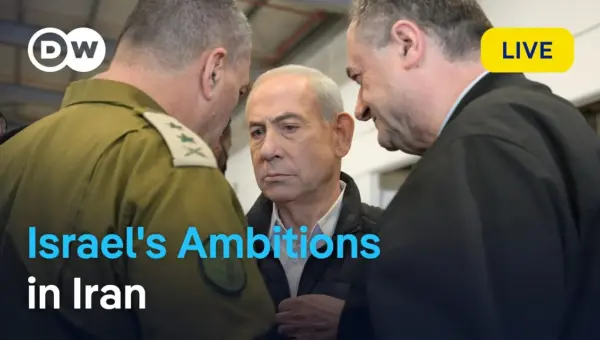
Israel’s Strategy Against Iran Revealed
Israel's strategy to counter Iran's nuclear ambitions and regional influence centers on containment, utilizing a mix of covert military actions, intelligence operations, and diplomatic pressure. Analysts highlight the growing urgency due to Iran's nuclear advancements, while also noting the persistent risk of escalation in the volatile Middle East.
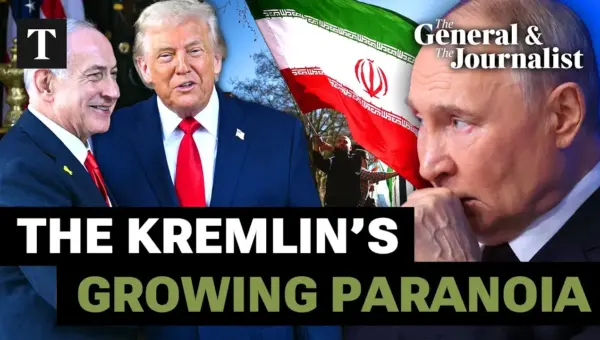
Kremlin Shakes: Elite Discontent Fuels Putin’s Paranoia
Internal turmoil and paranoia are reportedly gripping the Kremlin as President Putin faces growing elite discontent and the realities of the Ukraine war. Meanwhile, Russia's strategic involvement in the Iran conflict highlights complex calculations and potential risks, even as a wider global war remains unlikely.