Cuba’s Regime Faces Collapse Amidst Blackouts
Cuba is grappling with its third major nationwide blackout in four months, underscoring severe economic instability. This crisis highlights the nation's reliance on foreign subsidies and raises questions about the current regime's ability to govern. Meanwhile, discussions continue regarding U.S. policy towards Iran and its nuclear ambitions.

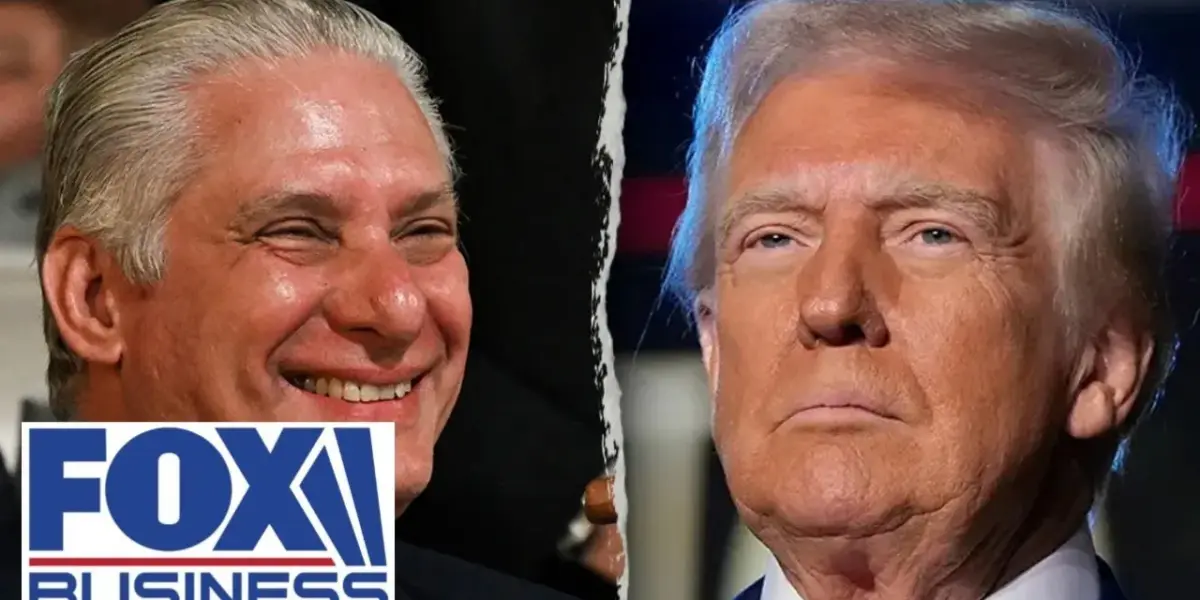
Cuba’s Regime Faces Collapse Amidst Blackouts
Cuba is experiencing its third major nationwide blackout in just four months, leaving millions without power. This widespread energy crisis signals deep economic trouble for the communist nation, raising questions about the stability of its government.
The recent power outages highlight the struggling Cuban economy. Reports indicate that the country is heavily reliant on subsidies from nations like Venezuela and Russia, a situation that has become increasingly precarious. The economic system appears unable to sustain itself without external support.
Shifting Stances on Iran
The discussion also touched upon the complex issue of Iran’s nuclear program and its relationship with international policy. Past statements from Democratic leaders, including Chuck Schumer, Joe Biden, and Barack Obama, are being contrasted with current positions. Previously, concerns were raised about Iran potentially acquiring nuclear weapons, with a firm stance against it.
At the time, it was understood that if Iran adhered to certain commitments, it could gain access to approximately $56 billion of its own frozen funds. Analysts at the time expected much of this money to be invested in improving the economy and benefiting the lives of ordinary Iranians. However, the political discourse surrounding Iran’s actions and potential nuclear ambitions has evolved.
Congressman Byron Donalds of Florida expressed frustration with what he perceives as inconsistent policies from Democrats. He stated that their opinions seem to shift, particularly when it involves opposing former President Donald Trump. Donalds argued that this political maneuvering distracts from addressing the real threats posed by Iran, not just to Israel and the Middle East, but also to allies in Europe.
“They would rather play politics with what’s going on as opposed to doing the right thing and that is actually standing behind the President and standing with him on this endeavor to actually bring to heel a regime that does not believe in equal rights, that does not believe in women’s rights, that only believes in actually people living under the Sharia and believes in jihad and terrorism,” Donalds commented regarding the approach to Iran.
Cuba’s Economic Woes Deepen
Turning the focus back to Cuba, the conversation highlighted the severe economic challenges the island nation faces. Senator Marco Rubio has described Cuba’s economy as non-functional, surviving for decades on aid from the Soviet Union. Now, with Venezuela’s situation more stable due to U.S. leadership, Cuba is struggling to find alternative support.
Donalds supports President Trump’s stance on Cuba, characterizing the current regime as a communist dictatorship that has deprived its citizens of liberty. He noted that over 1.6 million Cubans have fled the island to seek freedom in the United States, particularly in Florida. Donalds believes it is time for the current Cuban leadership to step down.
“It is time for them to go away. They definitely can’t sustain themselves, especially now that Venezuela, that situation is under control because of the leadership of President Trump and our Secretary of State Marco Rubio,” Donalds stated.
He advocates for a future Cuba with an open society that respects individual liberty and property rights. This vision stands in stark contrast to the current communist dictatorship just 90 miles off the coast of Florida. Donalds concluded that the present regime must either negotiate a change or face its own demise.
Market Impact
The ongoing energy crisis and economic instability in Cuba could have ripple effects, though direct financial market impacts are likely limited due to Cuba’s relatively isolated economy. However, for industries that rely on regional stability or have investments in the Caribbean, the situation warrants monitoring. The U.S. policy towards Cuba, particularly under the current administration and its predecessors, influences trade and investment opportunities.
For investors, the situation in Cuba underscores the risks associated with politically unstable regions and state-controlled economies. The contrast drawn with Iran’s potential economic recovery, should sanctions be eased, also highlights how geopolitical events and policy shifts can unlock or restrict financial flows. The differing approaches to these nations by political parties in the U.S. create uncertainty for long-term foreign policy and economic engagement.
Source: Byron Donalds: It’s time for Cuba’s regime to go away (YouTube)

Related Articles


Mexico Navigates US-China Rivalry
Mexico is caught in a geopolitical tug-of-war between the United States and China. The nation must carefully balance its economic needs and strategic interests with both superpowers. This situation highlights Mexico's growing importance in global affairs.
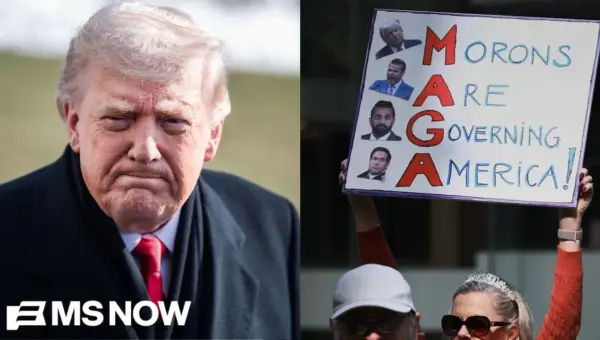
First-Time Protester Cites War, Prices as Key Concerns
An auto technician from Louisiana, Jared McCallup, joined his first major protest, the 'No Kings' movement, citing war profiteering and rising prices as his primary concerns. He aims to be a voice for those too afraid to speak out. McCallup's experience highlights the growing economic anxieties among everyday Americans.
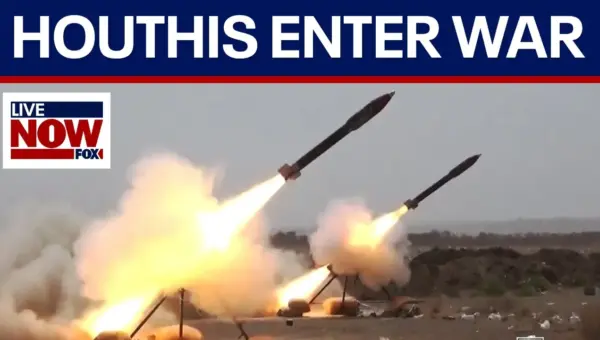
Iran-Backed Houthis Strike Israel, Escalating Regional Tensions
Iran-backed Houthi rebels have launched a missile attack targeting Israel, marking their first such strike since the current Middle East conflict began. The Israeli military confirmed the interception of the projectile. Analysts view this action as part of Iran's broader regional strategy, highlighting the regime's reliance on proxy forces amid internal weaknesses.