Ukraine Offers Drones to Fight Iran, Boosts Russia’s War Chest
Ukraine is sharing its expertise in combating Iranian drones, offering cost-effective solutions developed from its own war experience. However, the global focus on this threat is inadvertently boosting Russia's finances through rising oil prices, creating a complex geopolitical situation. The differing views on international alliances, highlighted by former President Trump's comments, add another layer to the evolving security landscape.

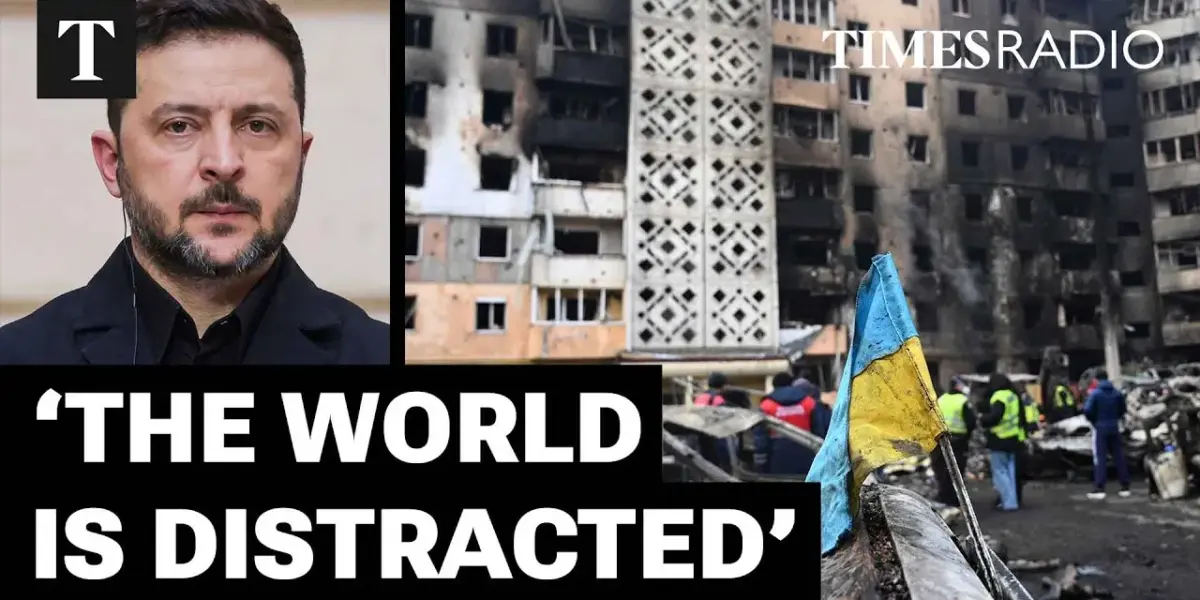
Ukraine Offers Drones to Fight Iran, Boosts Russia’s War Chest
Ukraine is stepping up to help defend the Middle East against Iranian drone attacks, offering its hard-won expertise and developing cheaper weapons. However, this global focus on the Iran conflict is also creating a dangerous distraction, allowing Russia to benefit financially from soaring oil prices. Ukrainian President Volodymyr Zelenskyy has highlighted Ukraine’s unique position to counter these threats, noting that the country has become a leader in defensive technology due to its own experiences. This situation underscores the complex, interconnected nature of global conflicts and their impact on various nations.
Zelenskyy Positions Ukraine as Key Defense Partner
Ukrainian President Volodymyr Zelenskyy has emerged as a potential rescuer for the Middle East and the United States, offering Ukraine’s advanced knowledge in combating Iranian drones. These are the same drones that Iran supplied to Russia, which have been used extensively against Ukraine. Zelenskyy pointed out the significant cost difference in fighting these drones: using expensive Patriot missiles, which can cost millions, to shoot down drones costing around $50,000 is not sustainable. Ukraine, with support from the United Kingdom, is pioneering more cost-effective solutions. These include interceptor drones, described as small, rocket-shaped devices that can fly faster than Iranian drones and shoot them down. The goal is to create weapons that cost a few thousand dollars to destroy a drone worth tens of thousands.
Ukraine’s Combat Experience Offers a “Cost Curve” Advantage
This focus on developing cheaper, more effective defensive measures places Ukraine on the “right side of the cost curve” in military terms. This is a challenge that even major powers like the UK are facing. For example, a billion-pound British warship, designed for high-tech defense, is not yet equipped to deploy these cheaper interceptor weapons. Ukraine’s “lived experience” of defending against these threats, including detecting drone trajectories and understanding interception methods, is invaluable. This knowledge is something no other country currently possesses to the same extent. Zelenskyy emphasized that security is the foundation for all other societal needs, such as economic strength and jobs, linking this directly to the need to “close the skies” over Ukraine, a plea made early in the conflict.
Russia Reaps Rewards from Global Distraction
While Ukraine offers its defensive capabilities, the increased global attention on the Iran conflict has led to soaring oil prices. Russia, already a major oil producer, stands to gain significantly from this price surge. The revenue generated will help replenish the Kremlin’s coffers, which have been impacted by international sanctions. Zelenskyy described Iran and Russia as “brothers in hatred,” highlighting the intertwined nature of their aggression. The conflict in Ukraine is becoming a battleground for developing and testing new defensive technologies, but the global focus on Iran indirectly bolsters Russia’s financial position, complicating efforts to isolate Moscow.
Contrasting Views on Alliances and Diplomacy
The discussion also touched upon differing international political perspectives. Former U.S. President Donald Trump suggested that the U.S. no longer needs NATO allies to assist with the Iran conflict, citing the trillions spent on the alliance. He questioned the value of helping other countries when they don’t reciprocate. In contrast, Ukrainian Ambassador to the UK, Volodymyr Khandohi, emphasized the importance of the transatlantic partnership and Ukraine’s potential to strengthen NATO. He described Trump’s comments as chaotic and worrisome, suggesting a need to impress upon him the value of the alliance. Khandohi also addressed the idea of normalizing relations with Russia, stating that such discussions are premature while the war in Ukraine continues. He argued that prioritizing self-defense and ending the conflict must come first before any consideration of normalizing relations with Russia.
Looking Ahead: The Evolving Defense Landscape
The coming months will be crucial in observing how Ukraine’s defensive innovations are adopted by other nations and how effectively they counter the threat from Iranian drones. Simultaneously, the world will be watching to see if Russia’s bolstered finances translate into sustained military capabilities. The ongoing debate surrounding international alliances like NATO and the approach to diplomatic relations with Russia will also continue to shape global security dynamics.
Source: Russia Is Benefitting ‘More Than Anyone Else’ From The Iran Conflict (YouTube)

Related Articles

G7 Allies Clash Over Iran War Strategy, Urge Focus on Russia
G7 foreign ministers met in Paris, revealing deep divisions over the U.S. war with Iran. European allies urged the U.S. to pressure Russia, linking its actions to the conflict and fearing support for Ukraine will wane.


Tiger Woods Arrested for DUI After Crash
Golf legend Tiger Woods was arrested for DUI in Florida following a dramatic rollover crash. Meanwhile, a government shutdown continues as House Republicans block a Senate deal, leading to airport chaos and TSA worker pay issues. The stock market also plummeted into correction territory amid fears of a prolonged Iran conflict.

Ukraine’s New Strategy Cripples Russian Oil Exports
Ukraine's new multi-layered strategy is rapidly disabling Russia's oil export capabilities. By attacking loading facilities and working with allies to intercept the "shadow fleet," Ukraine is significantly reducing Russia's oil revenues, even amidst rising global energy prices.