Trump’s Iran War Stance Exposed by Own Words, Critics Say
Donald Trump's claims of fearlessness are being questioned amid escalating tensions with Iran. Critics highlight his past draft avoidance and his administration's internal disagreements over the threat posed by Iran. Reports of Russian involvement in targeting U.S. forces add further complexity.

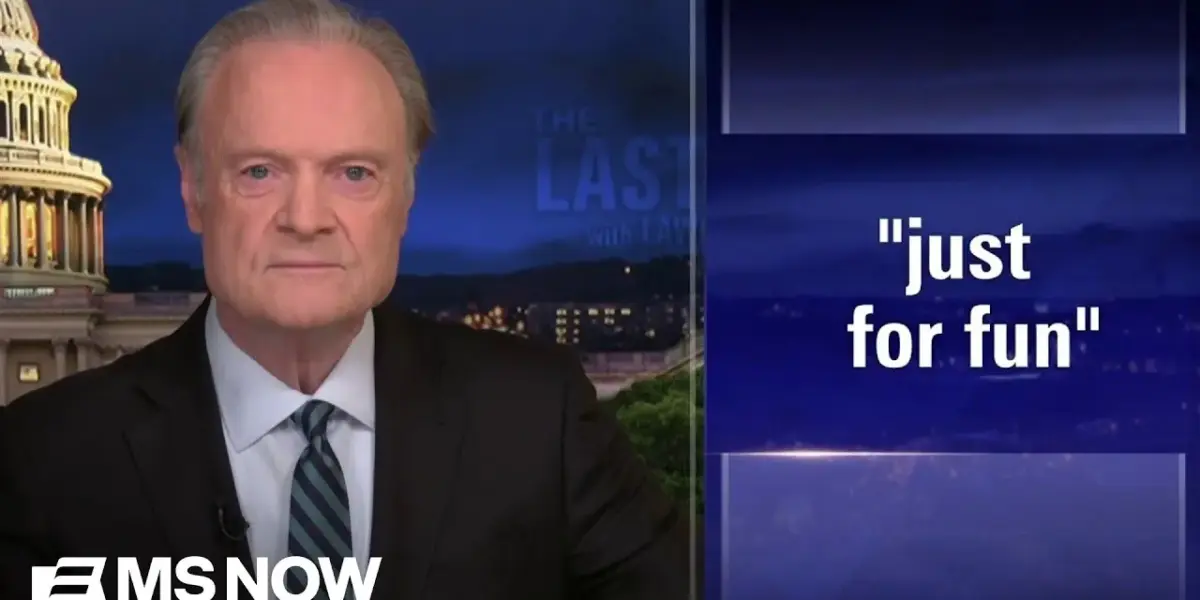
Trump Claims Fearlessness Amidst Iran War Doubts
In a recent public statement, Donald Trump declared he is “not afraid of anything.” This assertion comes as the Iranian regime warns that any U.S. troop deployment on its soil would mirror the Vietnam War experience. The timing and context of Trump’s statement are striking, especially considering the question that prompted it directly referenced the potential for a Vietnam-like quagmire in Iran.
Contrasting Claims: Draft Avoidance and Present Bravery
Critics point to Trump’s past as evidence of his fearfulness, citing his efforts to avoid military service during the Vietnam War. He reportedly obtained a doctor’s note to be excused from duty, claiming foot problems. This is contrasted with his current extensive golf activities, which involve significant walking. The narrative suggests a pattern of avoiding difficult situations, which critics argue is at odds with his current claims of fearlessness.
During the Vietnam era, wealthy individuals like Trump often found ways to avoid the draft, a situation that became more difficult as the war dragged on and draft rules tightened. By then, Trump had already secured his exemption, avoiding the conflict that deeply affected many young American men.
“The man who has spent years afraid of the Epstein files and is still blocking the full release of the complete Epstein files. The man who wears silly hats because he’s afraid his hair might be blown out of place.”
– Anonymous Critic, referencing past behaviors.
Resignation Highlights Internal Disagreement on Iran Threat
Further complicating the narrative is the resignation of Joseph Kent, Trump’s Director of the National Counterterrorism Center. Kent cited his inability to support the ongoing war in Iran, stating, “Iran posed no imminent threat to our nation.” This directly challenges the administration’s justification for military action.
Trump’s response to Kent’s resignation was contradictory. He initially praised Kent as a capable individual when appointing him, calling him a “soldier, Green Beret and CIA officer” who would “help us keep America safe by eradicating all terrorism.” However, after Kent’s resignation, Trump publicly stated he had “always thought he was weak on security, very weak on security.”
This stark contrast leads to questions about when Trump was being truthful. Critics suggest that Trump’s own words and actions frequently expose his falsehoods, making it difficult to determine the accuracy of his statements at any given time.
Director of National Intelligence’s Ambiguous Stance
Adding another layer of complexity is the response from Director of National Intelligence Tulsi Gabbard. While expected to defend the President’s decision and condemn Kent’s stance, Gabbard’s statement was notably measured.
Gabbard emphasized the President’s ultimate responsibility in determining threats and taking necessary actions. She stated that the Office of the Director of National Intelligence’s role is to provide the President with the best available information. She acknowledged Trump’s conclusion that Iran posed an imminent threat but notably did not explicitly state her agreement with this assessment, nor did she directly condemn Kent.
Her carefully worded statement is seen by some as a subtle act of insubordination. By not unequivocally supporting Trump’s conclusion about an imminent threat to the United States, Gabbard left open the possibility that she agrees with Kent’s assessment that Iran posed no such threat. This ambiguity is interpreted as a significant departure from expected loyalty, especially given the high stakes of the situation.
‘Just for Fun’ Comment Sparks Sociopath Accusations
Perhaps the most alarming statement attributed to Trump is his reported comment to NBC News about potentially continuing to bomb an oil facility in Iran “just for fun.” This remark has drawn severe criticism, with some labeling it as evidence of sociopathic tendencies and a “mad bomber” mentality.
Historians may well look back at such statements as definitive proof of a dangerous and irrational approach to foreign policy, suggesting a disregard for the consequences of military action and a detachment from the human cost.
Russian Involvement Adds Another Dimension
Adding to the escalating tensions, The Wall Street Journal has reported that Russia is assisting Iran in targeting U.S. military forces. This cooperation allegedly includes providing Iran with locations of U.S. troops and recent satellite imagery.
This intelligence sharing could mean Russia played a role in the attacks that resulted in the deaths of American military personnel. The report suggests Russia benefits from prolonging the conflict, both militarily and economically. Despite this potentially significant development, Trump’s administration has reportedly taken no action regarding Russia’s alleged involvement, a stance critics attribute to his relationship with Russian President Vladimir Putin.
Source: Lawrence: Trump’s ‘stupidity is utterly flawless at exposing his own lies’ on Iran war (YouTube)

Related Articles

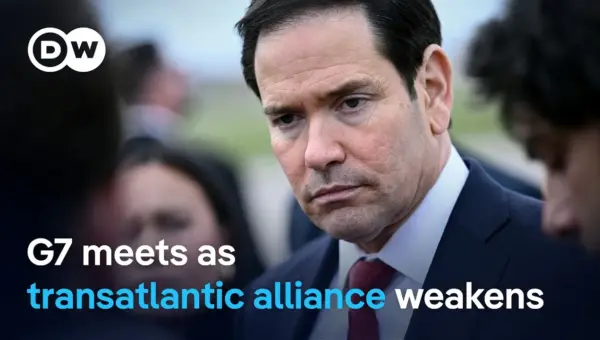
G7 Allies Clash Over Iran War Strategy, Urge Focus on Russia
G7 foreign ministers met in Paris, revealing deep divisions over the U.S. war with Iran. European allies urged the U.S. to pressure Russia, linking its actions to the conflict and fearing support for Ukraine will wane.
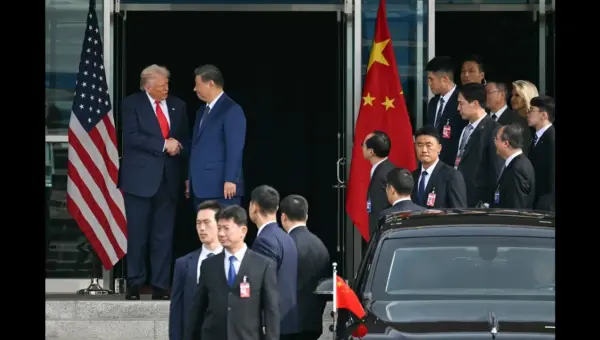
Trump’s “Walk Away” Tactic Signals Tougher Stance on China
Retired Air Force Brigadier General David Stillwell believes President Trump's strategy of being willing to walk away from negotiations puts pressure on China. This tactic, combined with US global actions and strengthened alliances, signals a more assertive American foreign policy.

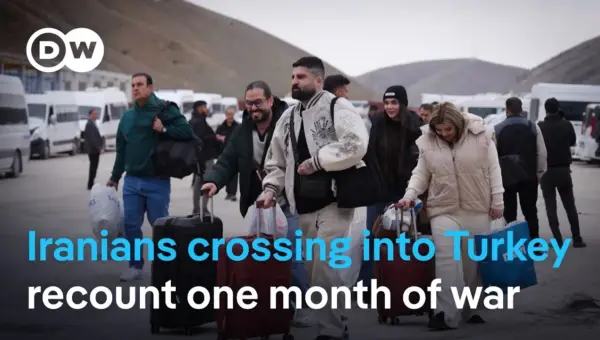
Iran War Exodus: Refugees Flee to Turkey Amidst Bombings
A train from Tehran brings refugees to Turkey, fleeing daily bombings and economic collapse. Many express deep fear for loved ones left behind, while some hold onto national pride and hope for victory. The conflict's impact is also felt economically in Turkey, with rising gas prices.