Trump’s Iran War Claims Contradicted by Reports, Officials
Former President Trump's claims about the Iran war are facing scrutiny as reports and former officials contradict his statements. Living former presidents deny speaking with Trump about the conflict, and intelligence assessments differ from his public remarks. Internal dissent, exemplified by a key resignation, highlights divisions within the administration over the war's justification and duration.

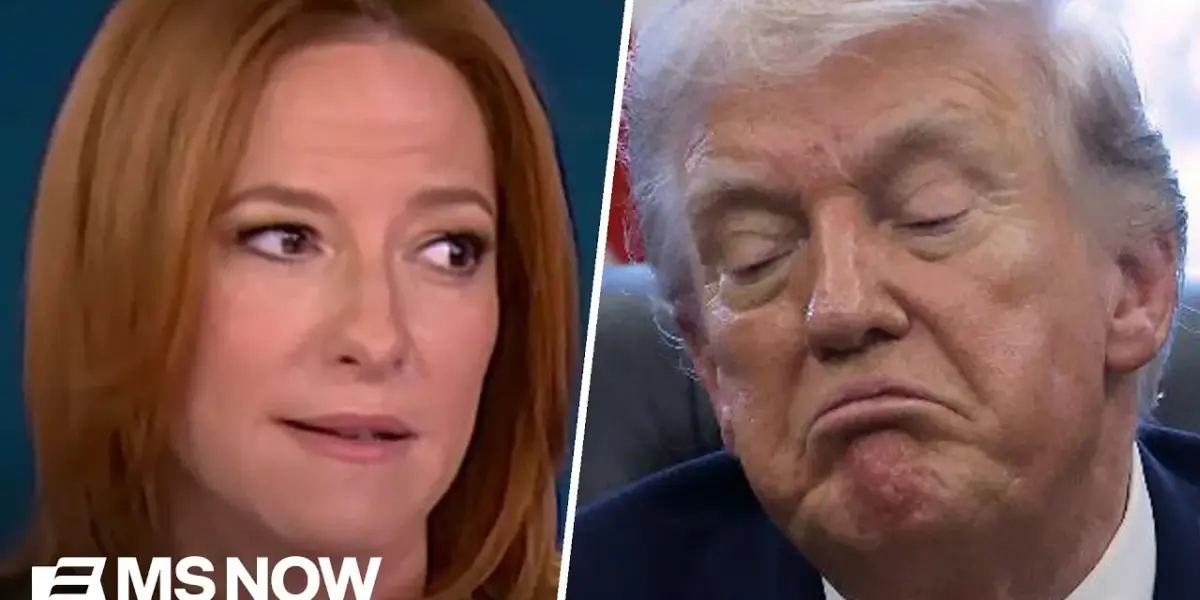
Trump Claims Secret Endorsement for Iran War
Former President Donald Trump has asserted that a living former U.S. president secretly told him he wished he had initiated the current conflict with Iran, a move Trump says he made because no other president had the courage to act. Trump stated this former president, whom he declined to name to avoid embarrassment, expressed jealousy over Trump’s decision. However, spokespeople for all four living former presidents—Bill Clinton, George W. Bush, Barack Obama, and Joe Biden—have confirmed they had no recent conversations with Trump about Iran.
Contradictory Statements on War Intelligence
The claim about a former president’s endorsement is the latest in a series of statements by Trump that appear to contradict official reports and intelligence. For instance, Trump recently claimed that his administration was unaware Iran might attack U.S. allied Gulf nations, stating they were shocked by attacks on Qatar, Saudi Arabia, and the UAE. This directly clashes with a Reuters report citing sources who say Trump was warned of likely Iranian retaliation against Gulf allies.
Disputed Information on Strait of Hormuz Mines
Further discrepancies have emerged regarding Iran’s alleged mining activities in the Strait of Hormuz. Trump suggested the U.S. government was unsure if Iran was laying mines, stating, “We don’t know that any have even been dropped in. We’re not sure that any have been.” This statement is at odds with reporting from The New York Times, which, citing U.S. officials, confirmed that Iran is indeed laying mines in the strait.
Resignation Highlights Internal Disagreements
Adding to the internal conflict, Joe Kent, a former Director of America’s National Counter-terrorism Center under Trump, resigned citing the president’s war in Iran as the reason. Kent’s resignation letter stated, “I cannot in good conscience support this ongoing war in Iran. Iran posed no imminent threat to our nation, and it is clear that we started this war due to pressure from Israel and its powerful American lobby.” This directly challenges Trump’s stated rationale for the war, which centered on an alleged imminent threat from Iran.
Tulsi Gabbard’s Shifting Stance
Tulsi Gabbard, who served as Trump’s Director of National Intelligence, issued a statement supporting Trump’s authority to determine threats, a position that appears to reverse her previous stance. In 2020, Gabbard criticized a Trump administration strike on Iranian General Soleimani, arguing that Iran posed no imminent threat. Her recent statement, however, suggests Trump alone is responsible for defining such threats, a move that contradicts Kent’s assessment and her own past arguments.
War Strategy Based on ‘Feelings’
Critics argue that Trump’s administration is conducting the war based on personal feelings rather than concrete intelligence. Trump himself has referred to the conflict as a “little excursion” that would last four to five weeks. However, Axios reported that both administration sources and allied countries believe the war could extend until September, a period of six additional months. This prolonged timeline contrasts sharply with Trump’s initial assessment.
Economic and Diplomatic Concerns
Despite Trump’s assurances that oil prices would fall after the conflict, reports indicate that gas prices have surged by 27% since the strike on Iran. Furthermore, Axios reported that many State Department experts responsible for Middle East gas crises were dismissed during the Trump administration last year, raising concerns about the government’s capacity to manage the economic fallout. The administration has also shown confusion on key issues, as seen when Trump was asked about attacks on U.S. embassies in Iraq, incorrectly referring to an embassy in Iran, which has been closed for over 40 years.
Looking Ahead
With conflicting reports, internal dissent, and questions surrounding the administration’s understanding of the conflict’s scope and consequences, the situation remains uncertain. The coming weeks will likely reveal more about the true duration of the war, its economic impact, and the administration’s ability to present a consistent and fact-based strategy to the public and Congress.
Source: Trump spins WEIRD Iran fantasy narrative contradicted by reports (YouTube)

Related Articles

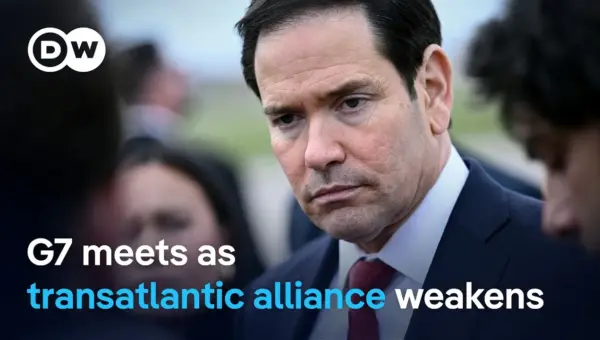
G7 Allies Clash Over Iran War Strategy, Urge Focus on Russia
G7 foreign ministers met in Paris, revealing deep divisions over the U.S. war with Iran. European allies urged the U.S. to pressure Russia, linking its actions to the conflict and fearing support for Ukraine will wane.
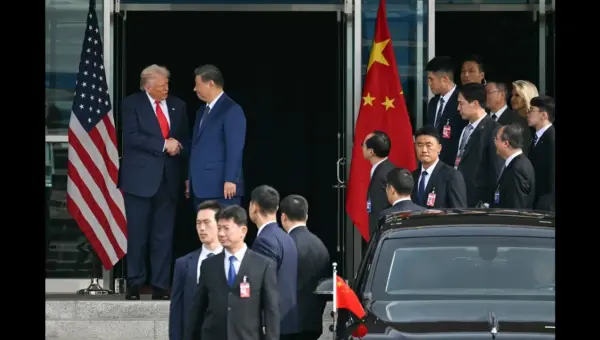
Trump’s “Walk Away” Tactic Signals Tougher Stance on China
Retired Air Force Brigadier General David Stillwell believes President Trump's strategy of being willing to walk away from negotiations puts pressure on China. This tactic, combined with US global actions and strengthened alliances, signals a more assertive American foreign policy.
House Republicans Reject Senate Deal, Sparking Government Funding Clash
House Republicans have rejected a Senate bill to end the government shutdown, citing insufficient border security measures. Congressman Randy Fine called the Senate deal a "disgrace" and highlighted the ongoing fight for full government funding. President Trump's executive order to pay TSA agents offers temporary relief, but the core disagreement over border security continues to paralyze Washington.