Iran War Fuels Economic Pain, Trump’s Political Woes
The Iran conflict has triggered economic hardship, including soaring gas prices, and damaged Donald Trump's political standing. His administration's handling of the war and its economic fallout are creating significant challenges. Meanwhile, political maneuvering within both parties continues amidst these crises.

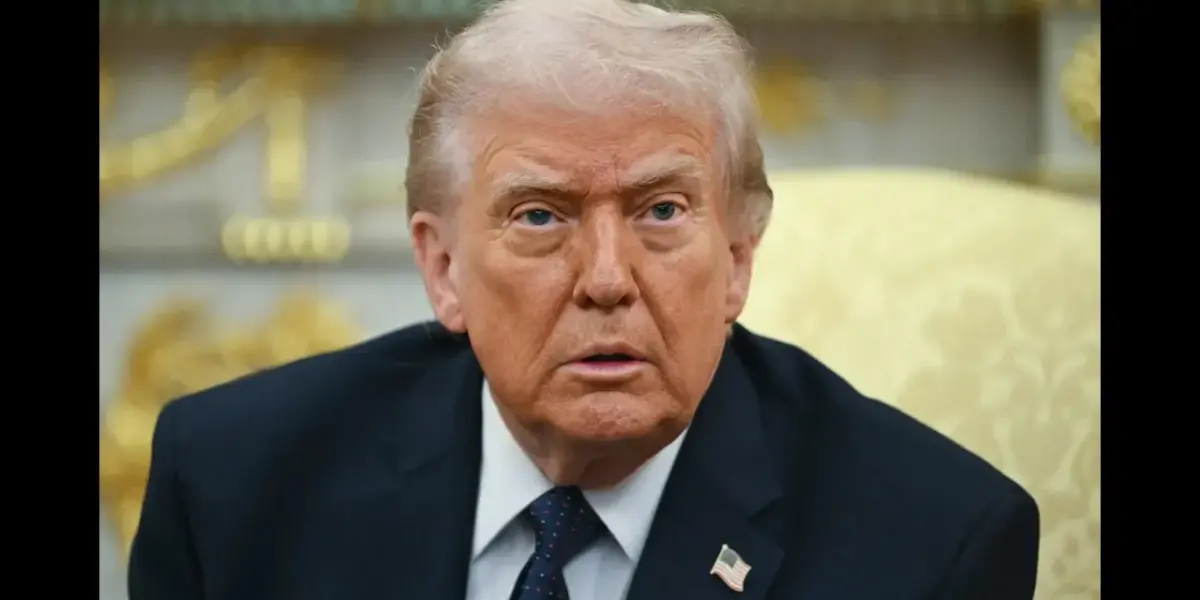
Iran Conflict Sparks Economic Pain, Undermines Trump’s Standing
The ongoing conflict in Iran has brought significant political and economic challenges for Donald Trump. Recent events, including a high-profile resignation from his administration over the war and rising gas prices nationwide, highlight the growing concerns. Trump’s apparent reliance on other countries for help in the situation further complicates his position.
There seems to be little upside for Trump in this situation. Even if the conflict resolves quickly, the political damage to him and the economic harm to the United States have already occurred. Gas prices have surged, creating an oil market glut that is expected to last. This situation hurts Trump politically in two key ways. First, his involvement in the war appears unfocused and lacks clear reasoning. It also goes against his stated promise of avoiding “forever wars” during his 2024 campaign. Second, this is another major action that has increased costs for everyday Americans, weakening a central promise of his presidency. It appears real damage has been done, regardless of future outcomes.
Why Trump Engaged in the Conflict
One perspective suggests that Trump’s actions stem from a belief that the U.S. could achieve quick and easy results, similar to what he perceived in Venezuela. He may be focused on his personal legacy, envisioning actions like regime change in Iran as historically significant achievements. This approach overlooks the complex realities and potential consequences of such interventions.
Historically, the idea of regime change in Iran has been discussed since 1979. However, the immense consequences, the nature of Iran’s government, its size, and particularly its control over the Strait of Hormuz have made such actions difficult. Iran’s ability to disrupt global trade and oil flow through this vital waterway gives it significant leverage.
Adding to the complexity, Trump’s attention span is often noted as short, making it difficult for him to stay focused on any single issue for long. This raises questions about whether he can simply disengage from the current situation or if it has already spiraled beyond his control.
The Lingering Economic Impact
It is unlikely that Trump can easily shift focus away from the Iran conflict. As long as Iran continues its actions, disrupting regional stability, travel, oil, and global trade, the economic consequences will persist. The situation in the Strait of Hormuz, even if partially open, continues to impact the flow of traffic and keep gas prices high.
While many Americans may not track every minute of the war, they are highly sensitive to gas prices. Food prices are also expected to rise, as much of the world’s fertilizer passes through the Strait of Hormuz. High diesel prices, at historic levels, increase distribution costs for all goods, leading to higher prices for consumers. As long as these economic pressures remain, public dissatisfaction is likely to continue.
Messaging Challenges
Trump’s administration has attempted to frame the conflict as a necessary measure to prevent Iran from obtaining nuclear weapons. However, this message faces challenges. Many Americans do not believe Iran was on the verge of developing nuclear weapons.
Unlike the Bush administration’s extensive efforts to build support for the Iraq War, Trump did not adequately explain the threat or consequences of the Iran conflict to the public. He failed to use major platforms, like the State of the Union, to build consensus or understanding. The attack in Iran occurred with little public context or explanation, leaving many Americans confused.
Trump’s past success in using issues like gas prices to his advantage makes his current situation puzzling. The potential for Iran to disrupt the Strait of Hormuz and drive up gas prices should have been a clear warning. Reports suggest that even military advisors warned him of this, but he dismissed the possibility.
In matters of war, preparation for the worst-case scenario is crucial. However, it appears Trump focused only on the best-case scenario, leading to the current predicament.
Political Maneuvering Amidst Crisis
The situation is not just affecting Trump; other politicians are also navigating the political fallout. JD Vance, who previously opposed military intervention in the Middle East, has been reported to be involved in discussions suggesting a more aggressive approach. This has led to speculation that Vance is positioning himself for a future presidential run in 2028.
Vance’s perceived attempts to distance himself from Trump while simultaneously aligning with him appear calculating and may alienate voters. His shifting stances could make him appear inauthentic, a trait many voters dislike.
Shifting Political Alliances
There are signs that the protective bubble around Trump is weakening. Recent events, like the removal of Kristi Noem from a key position and the subpoena issued to Pam Bondi, suggest that Republicans may be seeking to demonstrate independence. This could be an attempt to appeal to swing voters or appease those angered by various controversies.
While Pam Bondi may not be fired, her position could be scrutinized if she is seen as ineffective in carrying out Trump’s directives, especially regarding political retribution. The focus may shift to finding someone more capable of executing Trump’s desired actions.
Messaging on Government Shutdowns
Republicans are attempting to blame Democrats for the government shutdown affecting TSA agents and airport delays. However, many Americans are unaware of the shutdown and are more likely to blame the incumbent party or the president.
Notably, Trump himself has stated he will not sign any legislation unless the “Save Act” is passed. This stance effectively makes him the obstacle to funding TSA agents if it means keeping other departments, like ICE, unfunded. Democrats have proposed standalone bills to fund TSA, but these have been rejected.
The ongoing war in Iran and rising gas prices are overshadowing these political disputes. The significant increase in gas prices is a dominant issue that drowns out other concerns.
Intra-Party Dynamics on the Left
The Democratic Party faces its own challenges with internal divisions between progressive and moderate candidates during primary elections. These intra-party conflicts can be divisive and potentially fracture the coalition needed for electoral success.
However, these primaries can also be healthy, allowing the party to define its platform and strategies. The key is unity after the voters have made their choices. In cases like Texas, even after a bitter primary, candidates have pledged to support each other against Republican opponents.
The urgency of the current political climate seems to foster a greater sense of unity among Democrats compared to previous elections. The goal of defeating Republicans and regaining a majority is a powerful motivator for coming together.
Primaries are healthy, but only if there is unity after the voters have their say and we all get to work of defeating the Republicans and taking back the majority this fall.
Ultimately, the focus must remain on unifying the party after primaries conclude to effectively challenge Republican candidates and achieve electoral victories.
Source: Trump goes into PANIC as his world COLLAPSES (YouTube)

Related Articles

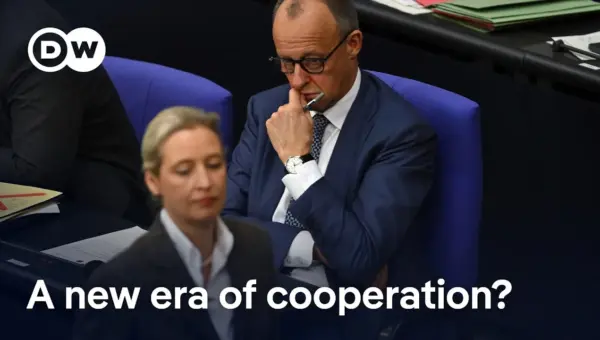
Germany’s Anti-AfD Firewall Crumbles Amidst Shifting Politics
Germany's political 'firewall' against the far-right AfD party is showing significant cracks due to rising AfD popularity and recent instances of cooperation. Historically rooted in Germany's experience with Nazism, the firewall aimed to prevent extremist parties from gaining power. However, shifts in the AfD's rhetoric and increased AfD strength, especially in eastern Germany, are challenging this long-standing political norm.
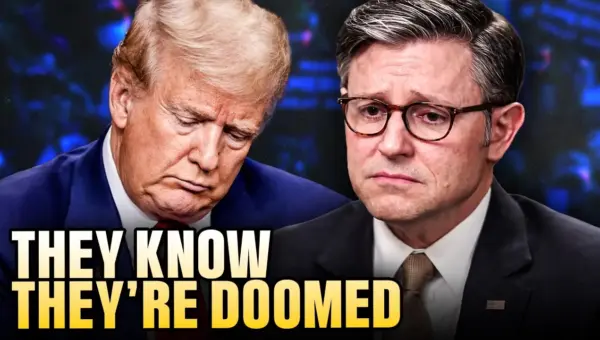
Polls Spell Doom: Republicans Face Voter Backlash
New polling data reveals a sharp decline in public confidence regarding the economic impact of Republican policies, particularly under Donald Trump. A significant majority now feel financially worse off, a trend that is especially pronounced among independent voters. This economic discontent poses a major challenge for the Republican party heading into future elections.

Americans Rally for Democracy Amidst War and Economic Woes
Thousands of Americans are participating in "No Kings" rallies nationwide, demanding accountability from leaders and drawing parallels to historical movements that spurred significant change. The protests occur amidst a controversial war with Iran, economic uncertainty, and a partial government shutdown. Organizers emphasize solidarity, joy, and the power of collective action in defending democracy.