Gamblers Press Reporter on Iran War Bets, Sparking Ethics Debate
A Times of Israel reporter has come forward alleging that online gamblers threatened him to alter his reporting on an Iranian missile strike. The gamblers reportedly sought to manipulate the news for their betting payouts, sparking a debate on journalistic integrity and the influence of online gambling on information.

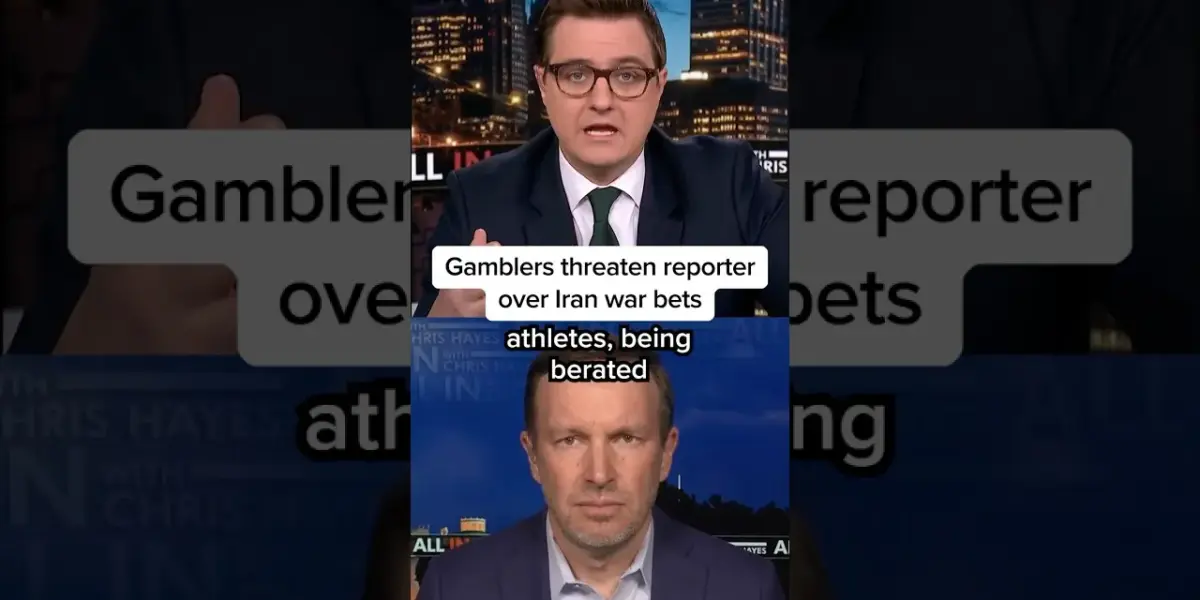
Reporter Targeted Over Iran Missile Strike Story
A reporter for The Times of Israel claims online gamblers pressured him to change his reporting on an Iranian missile strike. The gamblers allegedly wanted the story altered to ensure they could collect on their bets.
The incident highlights growing concerns about the intersection of online gambling and news reporting. It raises questions about the integrity of information and the potential for manipulation. The reporter, whose name was not disclosed in the initial report, stated that the gamblers threatened him. They demanded he alter details of the strike to match their desired outcome.
Online Gambling and the Spread of Misinformation
This event brings to light a disturbing trend: the increasing influence of online gambling on public discourse. As more people engage with betting platforms, the temptation to influence news for financial gain grows. Chris Hayes and Senator Chris Murphy discussed the implications of such pressure on journalistic standards.
Senator Murphy expressed alarm over the situation. He noted that this goes beyond a simple ethical breach. It represents a direct threat to the free press. The ability of journalists to report facts without fear of reprisal is crucial for a healthy democracy. Gamblers attempting to manipulate news stories for profit can distort public understanding of critical events, like military actions.
“This is not just about one reporter or one story. It’s about the integrity of the news itself. When financial interests can directly threaten journalists, we all lose,” said one commentator on the issue.
Ethical Concerns and Potential Consequences
The situation raises serious ethical questions for both news organizations and the public. How can news outlets protect their reporters from such outside pressure? What responsibility do platforms have in preventing the misuse of their services for gambling-related manipulation?
The incident suggests a need for stronger safeguards within the media industry. It also points to a broader societal discussion about regulating online gambling. Ensuring that news remains a reliable source of information is paramount. This requires a multi-faceted approach involving media accountability and responsible gambling practices.
Chris Hayes emphasized the unique vulnerability of reporters in such situations. He highlighted the need for support systems and clear protocols for journalists facing external threats. The pressure applied by these gamblers was not just a request; it was a form of intimidation. This type of behavior can have a chilling effect on reporting, making journalists hesitant to cover sensitive topics.
Broader Implications for News and Society
The potential for gambling interests to influence news has far-reaching consequences. It could lead to a public that distrusts traditional media sources. This distrust can be exploited by those seeking to spread further misinformation. The ability to verify information is a cornerstone of informed decision-making for citizens.
As online gambling continues to expand globally, similar incidents may become more common. This case serves as an early warning sign. It underscores the importance of vigilance from news consumers. They must be aware that news stories can be targets for manipulation. Critical thinking and cross-referencing information from multiple reputable sources are more important than ever.
Looking Ahead: Protecting Journalistic Integrity
Moving forward, the focus will likely be on how to prevent such incidents. News organizations will need to assess their security measures for reporters. Discussions around stricter regulations for online gambling platforms may also intensify. The case of the Times of Israel reporter is a stark reminder of the challenges facing journalism in the digital age.
The ability of a small group of individuals to leverage financial incentives to threaten a journalist is a serious development. It signals a new frontier in the battle for truth and accurate reporting. The public conversation needs to address not only the actions of the gamblers but also the systems that allow such pressure to be exerted. The future of reliable news depends on addressing these complex issues head-on.
Source: Gamblers threaten reporter over Iran war bets (YouTube)

Related Articles


AI News Anchors: A Threat to Truth in Reporting?
The increasing use of AI-generated news anchors raises concerns about media authenticity and public trust. While AI offers convenience, it risks sacrificing accuracy and can be exploited for propaganda, blurring the lines between real and fake reporting.


Pentagon Ignores Judge, Barring Press in Contempt Claim
The Pentagon has issued new rules restricting press access, potentially defying a federal judge's order and facing contempt charges. These rules redefine press freedom as a privilege, not a right, and limit journalists' ability to gather information. The situation is a critical test for First Amendment protections.


Journalists Fight Pentagon’s Tight Grip on Access
A federal judge ruled that the Pentagon's policy restricting press credentials based on potential "security risks" violates the First Amendment. The decision came after a lawsuit by The New York Times and other media outlets, who argued the policy amounted to viewpoint discrimination and a gag order. The discussion also honored Robert Mueller's legacy of public service and touched on the Supreme Court's review of mail-in voting laws.