China Trade Tariffs Hold Firm Amid Supply Chain Probe
U.S. Trade Representative Jamieson Greer detailed ongoing probes into China's excess factory capacity and forced labor practices. Tariffs remain in place, with the trade deficit with China falling 30% last year.

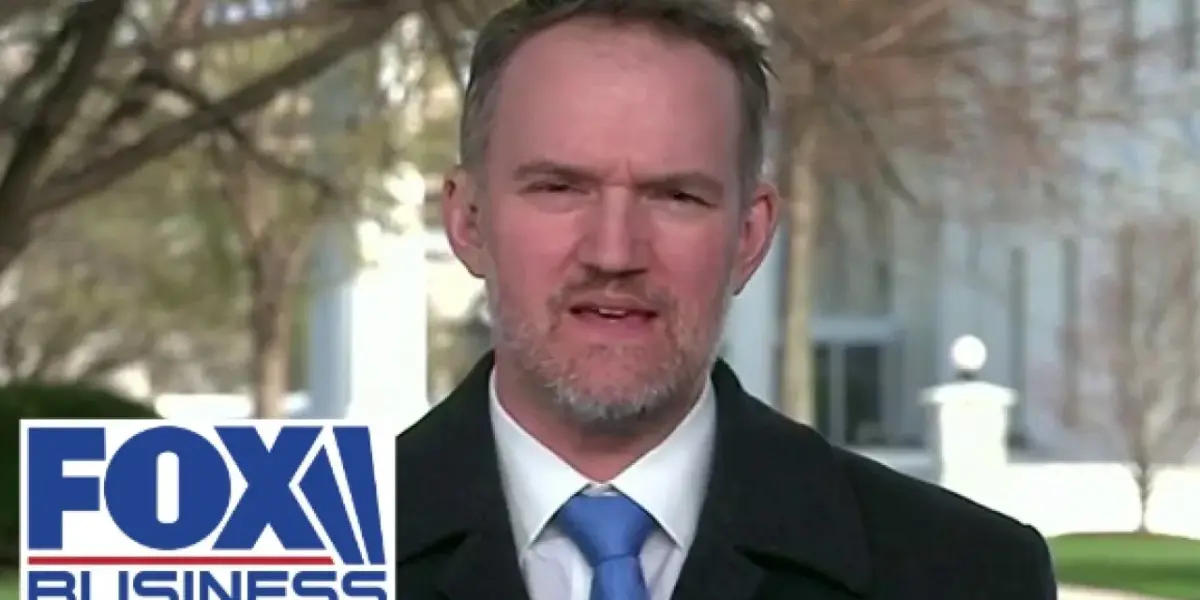
US Trade Representative Details Ongoing Probe into China’s Trade Practices
The United States is continuing its focus on ensuring fair trade practices, particularly with China, according to U.S. Trade Representative Jamieson Greer. In a recent discussion, Greer detailed ongoing investigations into issues like excess factory capacity and the use of forced labor, which could lead to further tariffs or other trade measures.
Summit Postponement Seen as Benign
Greer addressed the recent postponement of a summit with China, clarifying that the delay was not related to trade talks. “The delay and the president’s visit has no relation to the trade economic talks at all,” Greer stated. Both the U.S. and Chinese sides understood the need to reschedule, with new dates being sought for several weeks out.
China’s Stake in Strait of Hormuz Security
The conversation also touched upon China’s significant economic ties to the Persian Gulf region. China is a major importer of oil from the Gulf, accounting for 8% to 9% of its fossil fuel imports from the area. “They make up a large buyer of Iranian fuels, so you’re right. They have a big stake in this with a strong interest in the war coming to a close quickly and those straits being open,” Greer noted.
While China’s specific involvement in a U.S.-led coalition to secure the Strait of Hormuz remains uncertain, their substantial interest in regional stability and open shipping lanes is clear. Greer expressed hope for Chinese cooperation, whether through direct participation in operations or escort missions, emphasizing that the outcome is important to them.
Supreme Court Ruling and Trade Policy
Greer acknowledged a recent Supreme Court decision that he, along with President Trump and others, disagreed with. However, he explained that this ruling does not fundamentally alter the U.S. trade program. “The president has other methods of resolving the problems that are underlying his whole trade program,” he said. The goal remains protecting American workers and ensuring higher wages through secure supply chains.
New Investigations Target Unfair Practices
The Office of the U.S. Trade Representative has launched two key investigations:
- Excess Capacity: This probe looks into countries, including China and Vietnam, that build more factories than economic demand requires. This overproduction can harm U.S. producers and workers by making it harder for them to compete.
- Forced Labor: The U.S. has a long-standing law prohibiting the import of goods made with forced labor. Other countries often lack similar laws or fail to enforce them, creating an uneven playing field for American businesses.
Greer stated that if these issues are not resolved, the U.S. may impose tariffs or take other actions. These investigations are transparent, and trading partners are informed before they begin. “The reality with all of it though is they are working with us. They understand our concerns,” Greer added, noting that these practices contribute to the trade deficit.
Current Tariffs and Trade Deficit Reduction
The U.S. currently maintains significant tariffs on goods imported from China. Greer indicated that the average tariff rate is around 35%, with specific items like steel, aluminum, and automobiles facing higher rates of 45% to 50%. These tariffs, stemming from Section 301 actions and national security measures, are layered on top of a baseline 10% tariff.
Despite these trade tensions, the U.S. trade deficit with China saw a substantial decrease of 30% last year. Greer highlighted this as the most significant yearly decline in a long time, suggesting that the existing trade policies are having a measurable impact on reducing the imbalance.
Market Impact
The ongoing investigations and the maintenance of existing tariffs signal a continued U.S. commitment to addressing trade imbalances and unfair practices. For investors, this means that sectors heavily reliant on imports from China, or those competing with Chinese exports, may continue to face pricing pressures and supply chain adjustments. The focus on forced labor also introduces potential risks for companies with complex global supply chains, requiring diligent oversight and compliance.
What Investors Should Know
Investors should monitor developments in these trade investigations closely. The potential for new tariffs or trade barriers could impact corporate earnings and stock valuations, particularly for companies with significant exposure to the Chinese market or those that rely on goods produced under conditions being investigated. The recent reduction in the U.S. trade deficit with China is a positive indicator, but the underlying issues of excess capacity and labor practices suggest that trade dynamics will remain a key factor in global markets.
Source: This is about supply chain security, US trade representative says (YouTube)

Related Articles
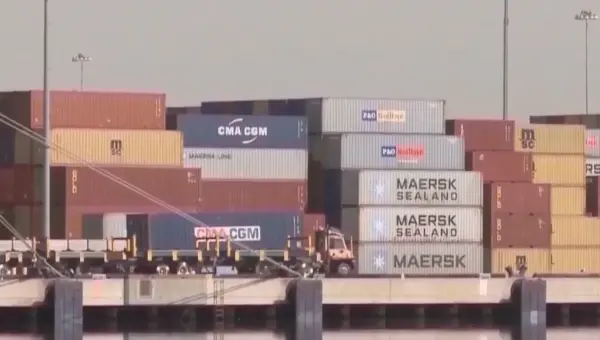
China Fights Back: Tariffs Loom Ahead of Trump Visit
China is retaliating against US trade investigations that could lead to higher tariffs. This escalating trade tension occurs just before a planned visit by President Trump. The dispute involves accusations of unfair practices and impacts global supply chains.


EU Backs US Trade Deal, But Keeps Defense Ready
The European Parliament has approved a new trade deal with the United States, a move that aims to prevent further tariff disputes. While the deal sets a 15% tariff on most goods, EU lawmakers have included backup plans in case the agreement falters, signaling a cautious approach to future trade relations.

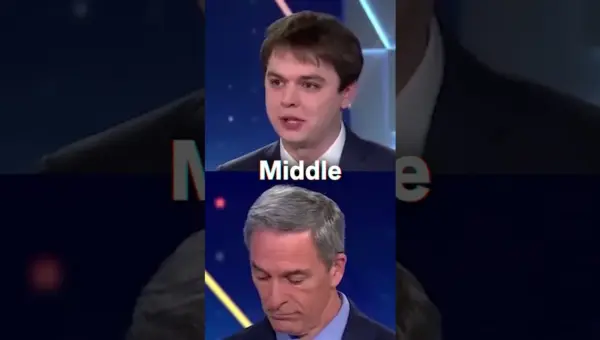
Wars and Tariffs Fuel Inflation, Americans Pay the Price
Rising prices and a swelling national debt are squeezing American families. The video suggests that policies like Trump-era tariffs and recent wars are major contributors to these economic pressures, impacting everything from gas prices to the cost of living. This situation could have significant political consequences.