China’s Strait of Hormuz Role Sparks Investor Concern
President Trump's postponement of a key summit with China's Xi Jinping coincides with U.S. efforts to involve Beijing in securing the Strait of Hormuz. This complex geopolitical situation raises concerns for investors about energy security and global trade dynamics.

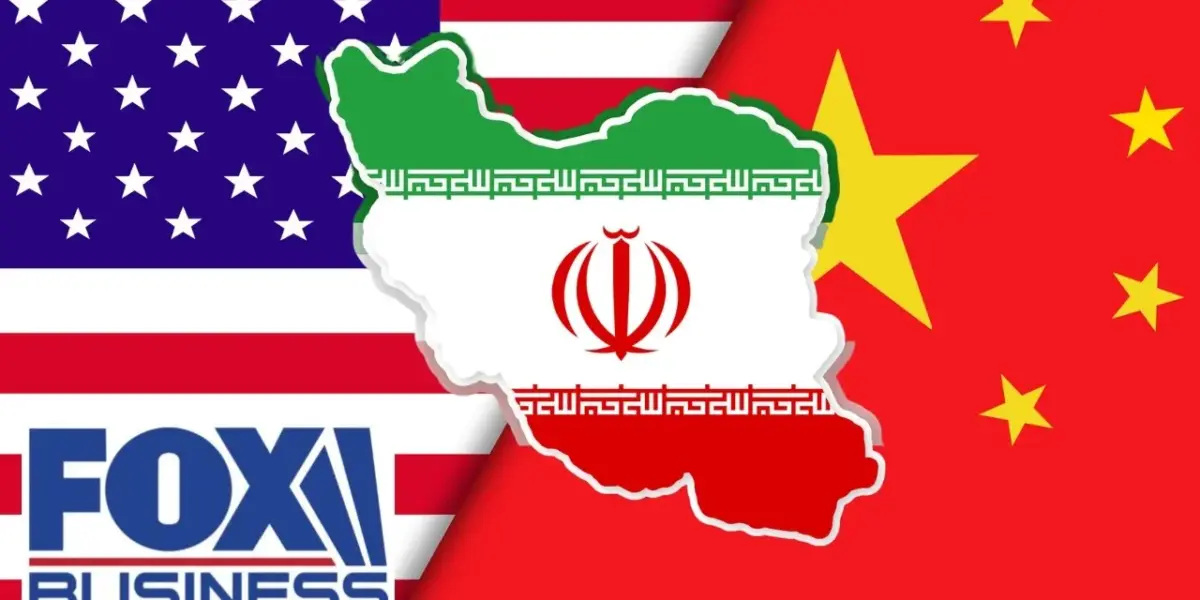
China’s Role in Strait of Hormuz Creates Market Uncertainty
President Trump’s plan to meet with China’s President Xi Jinping is being postponed, raising questions for investors. The delay, expected to last about five weeks, comes as the U.S. seeks China’s help in securing the Strait of Hormuz, a vital shipping route. This request, coupled with ongoing trade talks, has created a complex situation that market watchers are closely examining.
Trade Talks and Geopolitical Tensions Intertwine
Officials from the Trump administration and China have been meeting in Paris to discuss trade, tariffs, and technology competition. While these economic discussions are significant, the White House’s new appeal for China’s involvement in the Strait of Hormuz adds a critical geopolitical layer. The Strait of Hormuz is a narrow waterway through which a significant portion of the world’s oil supply travels. Any disruption there could have immediate and severe impacts on global energy markets and, consequently, on investor portfolios worldwide.
Concerns Over China’s Military Presence
The idea of China playing a role in securing the Strait of Hormuz has sparked significant debate among analysts. While China relies heavily on the strait for its own oil imports, some experts worry about the long-term implications of granting China a military presence in such a strategic location. Concerns include whether China would eventually withdraw its forces or use its position to exert greater regional control, potentially mirroring actions seen with the Panama Canal.
“I don’t think I want China anywhere near there, because once they go in, do they go out? Do they just stay there? Do they stay there forever?”
This sentiment highlights a key fear: that China’s involvement could lead to a more permanent military footprint, shifting regional power dynamics. Analysts point out that China currently imports oil from Iran and Russia, sometimes at discounted prices, which complicates the U.S. goal of pressuring the Iranian regime. Bringing China into the security of the strait could inadvertently strengthen the very regime the U.S. aims to weaken.
Trump’s Strategy: Putting China on the Spot?
Some analysts suggest that President Trump’s public call for China’s assistance in the Strait of Hormuz might be a strategic move to pressure Beijing. By highlighting China’s dependence on oil flowing through the strait and its ongoing oil imports from Iran, the U.S. could be attempting to force China to declare its allegiances. This approach aims to reveal whether China stands with Iran, a U.S. adversary, or with the U.S. and its allies.
China’s continued oil imports from Iran, even after U.S. sanctions, mean that Beijing is indirectly funding the Iranian regime. This financial link is seen by some as a direct support for actions that threaten Middle Eastern allies and U.S. military personnel. The U.S. has responded by increasing its military presence in the region, sending thousands of Marines and sailors, signaling a commitment to maintaining stability.
Market Impact: What Investors Should Know
The situation in the Strait of Hormuz and the evolving U.S.-China relationship present several key considerations for investors:
- Energy Security: Any escalation of tensions in the Strait of Hormuz could lead to significant volatility in oil prices. Investors in energy stocks, related industries, and even broader market indices should monitor developments closely.
- Trade War Dynamics: The ongoing trade dispute between the U.S. and China remains a backdrop to these events. A deterioration in relations, spurred by geopolitical issues, could further impact global trade and economic growth, affecting companies with significant international exposure.
- Geopolitical Risk Premium: Increased geopolitical tensions often lead to a rise in the ‘risk premium’ investors demand for holding riskier assets. This could translate into broader market sell-offs or increased demand for safe-haven assets like gold.
- China’s Economic Influence: China’s role as a major global consumer and producer means its economic health and geopolitical stance have far-reaching consequences. Investors need to understand how these events might affect supply chains, commodity prices, and global demand.
Long-Term Implications
The potential for China to establish a lasting military foothold in the Strait of Hormuz raises long-term strategic questions for global powers. The U.S. has historically played a significant role in ensuring freedom of navigation in these waters. A shift in this dynamic could reshape regional security alliances and international trade routes. For investors, this means a potentially more complex and unpredictable global operating environment, where geopolitical stability becomes an increasingly critical factor in investment decisions.
The underlying issue remains the threat posed by the Iranian regime, which has historically shown hostility towards the U.S. and its allies. The debate over how to address this threat, and China’s potential involvement, highlights the difficult choices facing policymakers and the uncertainty that can ripple through financial markets.
Source: 'WAY TOO DANGEROUS': DeAngelis warns over China aid in Strait of Hormuz (YouTube)

Related Articles
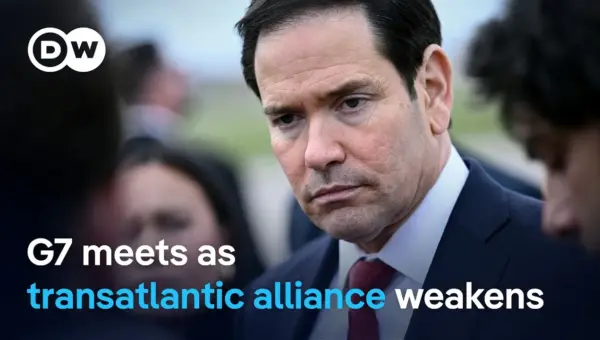
G7 Allies Clash Over Iran War Strategy, Urge Focus on Russia
G7 foreign ministers met in Paris, revealing deep divisions over the U.S. war with Iran. European allies urged the U.S. to pressure Russia, linking its actions to the conflict and fearing support for Ukraine will wane.
Iran Blocks China Ships, Exposing Beijing’s Weak Grip
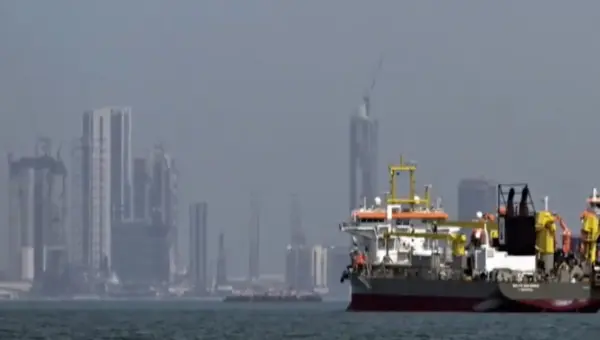
Iran's recent decision to block Chinese ships at the Strait of Hormuz is exposing the limits of Beijing's influence in the Middle East. This action is causing delays and cancellations for Chinese manufacturers, turning a perceived geopolitical win into an economic strain.
Rubio: US Can Achieve Iran War Goals Without Troops
Senator Marco Rubio outlined a strategy to counter Iran without deploying U.S. ground troops, focusing on weakening the regime and enhancing maritime security. He also criticized Cuba's economic system and expressed concerns about West Bank violence.